Understanding Dust: Causes and Solutions for a Cleaner Home
Even with regular cleaning, dust can quickly return, especially in homes in Venice. Factors like pets, flooring, air circulation, and daily habits all affect how fast dust accumulates. In this guide, we’ll explore the main causes of household dust and share practical tips to help you keep your home cleaner and fresher for longer.
Understanding Why Dust Builds Up So Fast in Some Homes
Have you ever wondered why does dust builds up so fast on your furniture just days after cleaning? In Venice, some homes collect dust more quickly than others due to several common causes. Factors like air circulation, flooring type, and the presence of pets all influence how rapidly dust accumulates. Dust itself is a mixture of tiny particles, including skin cells, pet dander, pollen, fabric fibers, and even microscopic debris carried in from outdoors. Understanding these causes can help you manage buildup more effectively. Homes with more people or pets naturally produce more dust. Every step, sneeze, or clothing change releases particles into the air, and much of it settles deep into rugs. Regular rug cleaning helps remove these trapped particles and improves indoor air quality.
The Common Causes of Household Dust You Might Overlook
While visible dust on tables and shelves is easy to wipe away, hidden sources often go unnoticed. Understanding why does dust builds up so fast is important, as textiles are among the biggest contributors. rugs, curtains, and upholstered furniture constantly shed tiny fibers that add to the accumulation. If your home uses older ruging, the accumulation can be even faster. Regular professional care, like the services offered by Rug Cleaning Venice, helps reduce fiber shedding and keeps dust under control.
How to Reduce Dust in Your Home Naturally
Learning how to reduce dust in your home doesn’t have to mean overhauling your entire cleaning routine. The key lies in creating small, consistent habits that prevent buildup before it starts. Begin with air quality: make sure your air filters are replaced every 30 to 60 days, and consider investing in a HEPA purifier for high-traffic areas. These devices trap fine particles that regular filters miss.
Steps on How to Reduce Dust:
1. Open Windows for Fresh Air
Allowing proper ventilation helps circulate air and prevent dust buildup. Open your windows for a few minutes each day, especially after cleaning, to let out trapped dust and bring in fresh outdoor air.
2. Use Doormats and No-Shoe Rules
Place doormats at every entrance and encourage a no-shoe policy indoors. Shoes track in dirt, pollen, and dust particles that quickly spread throughout your home.
3. Vacuum with a HEPA Filter
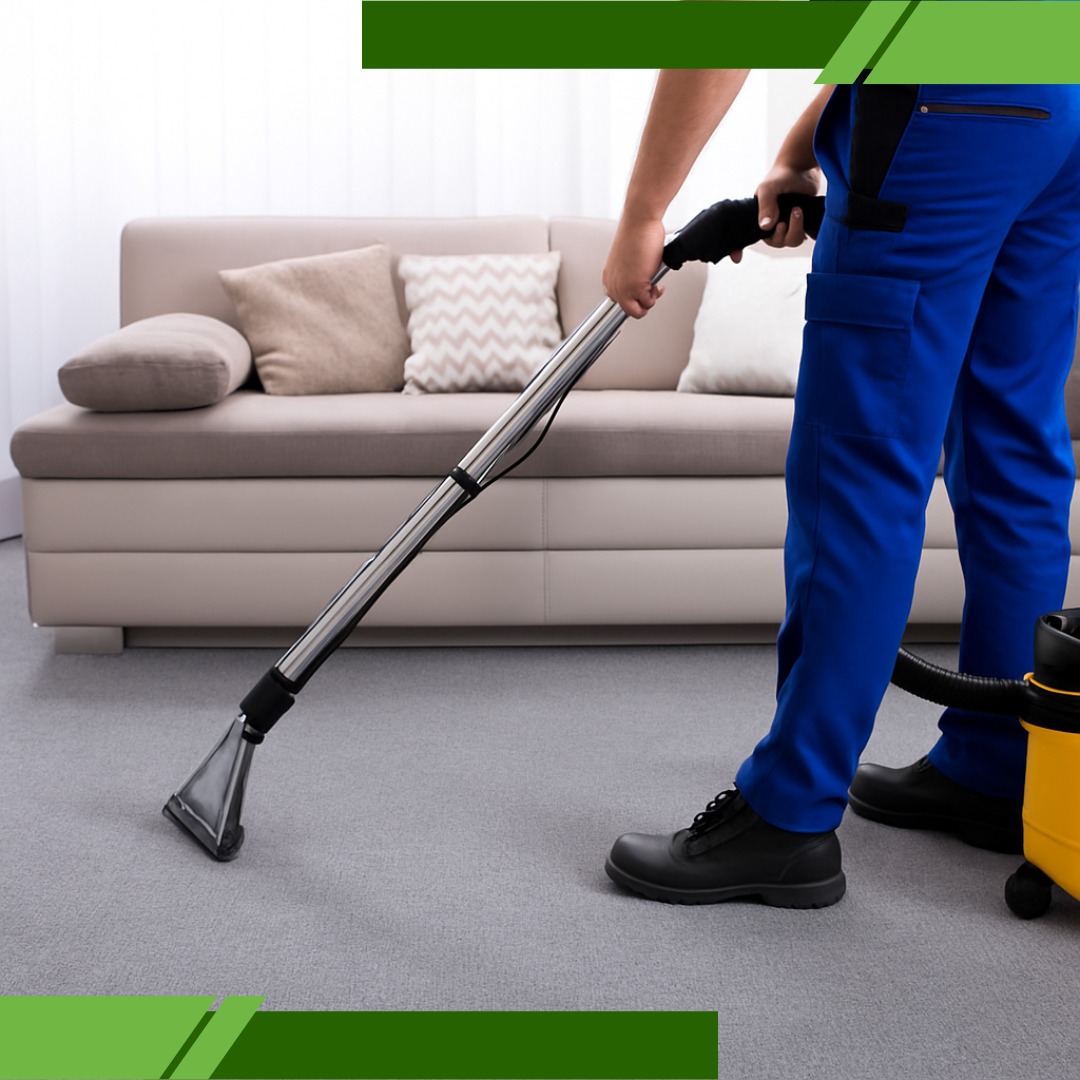
A vacuum cleaner with a HEPA filter traps fine dust, pet dander, and allergens instead of pushing them back into the air. Vacuum floors, rugs, and upholstery at least twice a week.
4. Dust with Microfiber Cloths
Switch from feather dusters to microfiber cloths—they attract and trap dust instead of scattering it. Slightly dampen the cloth to boost its effectiveness on surfaces like shelves, blinds, and electronics.
5. Wash Bedding Weekly
Sheets, pillowcases, and blankets collect skin flakes and dust mites. Wash them weekly in hot water to keep allergens under control. Don’t forget to clean curtains or blinds every few months.
6. Declutter and Organize
The fewer surfaces you have, the less dust can accumulate. Keep counters, shelves, and floors clear. Store items in closed bins or drawers to prevent dust collection.
7. Keep Indoor Plants
Certain plants like peace lilies, snake plants, and spider plants naturally purify the air by trapping airborne particles. Just remember to occasionally wipe their leaves to prevent dust buildup.
8. Use Natural Humidity Control
Dry air increases dust circulation. Maintain indoor humidity between 40–50% using natural methods, like placing bowls of water near heat sources or growing moisture-loving plants.
9. Groom Pets Regularly
Pet hair and dander are major dust contributors. Brush your pets outdoors and wash their bedding often to reduce airborne particles.
10. Wipe Down Air Vents and Fans
Dust can accumulate in vents, fan blades, and filters. Clean them regularly using a damp cloth or a vacuum brush attachment to prevent dust from spreading through the air.
Creating a Dust-Resistant Home Environment
Once you understand why does dust builds up so fast in some homes, it becomes easier to take proactive steps to manage it. The goal isn’t to eliminate nearly impossible dust but to create an environment where dust accumulates more slowly. In Venice, start by establishing a weekly cleaning rhythm focused on high-traffic areas like living rooms, bedrooms, and hallways. Choose washable curtains and replace old filters in air conditioners or purifiers before they clog. If you have pets, brush them regularly and wash their bedding often. Taking these steps can make a noticeable difference, as they reduce the amount of loose dander and fur that becomes airborne
Key Steps to Manage Dust Naturally:
- Establish a weekly cleaning rhythm: Focus on high-traffic areas like living rooms, bedrooms, and hallways to prevent dust from settling.
- Use washable fabrics: Choose curtains, rugs, and pillow covers that can be easily washed to keep dust from accumulating in fibers.
- Maintain clean air filters: Replace old filters in air conditioners and purifiers regularly to improve airflow and trap airborne particles.
- Groom pets frequently: Brush your pets and wash their bedding often to minimize shedding and dander that contribute to dust.
- Adopt proactive habits: Consistent care makes it easier to manage dust and maintain a fresher, cleaner home environment.
Simple Habits for a Cleaner Home
Understanding why does dust builds up so fast and the common causes of dust helps you keep your Venice home cleaner. Regular cleaning, proper air filters, and attention to rugs, curtains, and pet areas can slow dust accumulation. While dust can’t be fully eliminated, these small, consistent habits make a noticeable difference in creating a fresher, healthier home.