The Frustration Of Cleaning A Dusty Home
You wipe the tables, vacuum the carpet, and finally step back to enjoy a clean room. The sunlight comes through the window and; there it is again. A thin layer of dust settling on the same surfaces you cleaned yesterday. It can feel frustrating, especially when you spend time and effort making your home look fresh.
Many homeowners deal with dusty house problems and wonder why dust seems to return so quickly. The truth is that dust is always moving through your home. Even if you clean daily, tiny particles are constantly entering through windows, doors, vents, and even on your clothes.
If you live in a coastal place like Venice, the mix of ocean air, sand particles, and everyday household debris can make the issue even more noticeable. Understanding where dust comes from and how it behaves indoors can help you manage it better and keep your home feeling cleaner for longer. If dust and dirt keep returning despite your efforts, you cancontact aprofessional cleaning team to get expert advice and deeper cleaning solutions.
Understanding Dusty House Problems In Everyday Homes
When people think of dust, they usually imagine simple dirt. In reality, dust is made up of many different tiny materials that collect inside a house over time.
A common dust buildup in home spaces often includes:
- Dead skin cells
- Fabric fibers from clothing, carpets, and furniture
- Pet hair and dander
- Pollen carried in from outdoors
- Soil and tiny sand particles
- Paper fibers and insulation dust
Everyday activities can easily stir these particles into the air. Walking across a carpet, sitting on the couch, or shaking out a blanket can release dust that settles again later.
In homes located in Venice, coastal winds can bring in additional fine particles from outside. Sand, salt, and outdoor debris often enter through open doors and windows, increasing indoor dust levels.
These everyday sources are one of the main reasons many families deal with dusty house problems, even when they clean their homes regularly.
Why Dust Keeps Coming Back After Cleaning
One of the biggest questions homeowners ask is simple: why does dust come back so quickly after cleaning.
Dust never truly disappears. It moves constantly through the air inside a home. Even after wiping and vacuuming, tiny particles are still floating around.
Air circulation spreads dust
Heating and cooling systems push air throughout the house. This airflow moves dust particles from room to room.
Carpets trap hidden dust
Carpet fibers can hold dust deep inside them. Even after vacuuming, some particles remain trapped and slowly rise back to the surface.
Furniture fabrics release particles
Couches, curtains, and blankets shed small fibers that add to indoor dust.
Outdoor air brings new dust inside
When windows or doors open, outside air carries pollen, soil, and fine debris indoors.
This cycle explains why dust comes back even after a deep cleaning session. It’s simply part of how homes naturally collect particles over time.
How Coastal Living In Venice Can Increase Indoor Dust
Living near the coast has many benefits, but it can also contribute to indoor dust levels.
Homes in Venice often experience stronger airflow coming from the ocean. These breezes can carry fine sand and outdoor debris into houses through small openings.
Common ways coastal air increases indoor dust include:
- Sand particles carried by wind
- Salt residue from ocean air
- Outdoor soil tracked in on shoes
- Pollen from nearby plants and trees
Because of these factors, homes in Venice sometimes experience faster dust buildup compared to inland homes.
Regular cleaning helps, but deeper cleaning methods are often needed to remove particles trapped in carpets and upholstery.
Hidden Places Where Dust Collects
Most people focus on obvious areas when cleaning, like floors and tables. However, dust often collects in places that are easy to overlook.
These hidden areas allow dust to build up and spread throughout the home again.
Common hidden dust spots include:
- Air vents and HVAC filters
- Ceiling fan blades
- Curtains and blinds
- Behind large furniture
- Under beds and couches
- Bookshelves and decorative items
If these areas are not cleaned regularly, they can contribute to ongoing dust buildup in home spaces.
For example, when a ceiling fan turns on, it can easily push collected dust into the air again, spreading it across the room.
How Carpets Play A Major Role In Dust Buildup
Carpets are comfortable and warm, but they can also hold large amounts of dust. Every step on the carpet presses particles deeper into the fibers.
Over time, carpets can collect:
- Dirt from shoes
- Pet dander
- Skin cells
- Sand and soil
- Small fabric fibers
When someone walks across the carpet, some of these trapped particles rise into the air again.
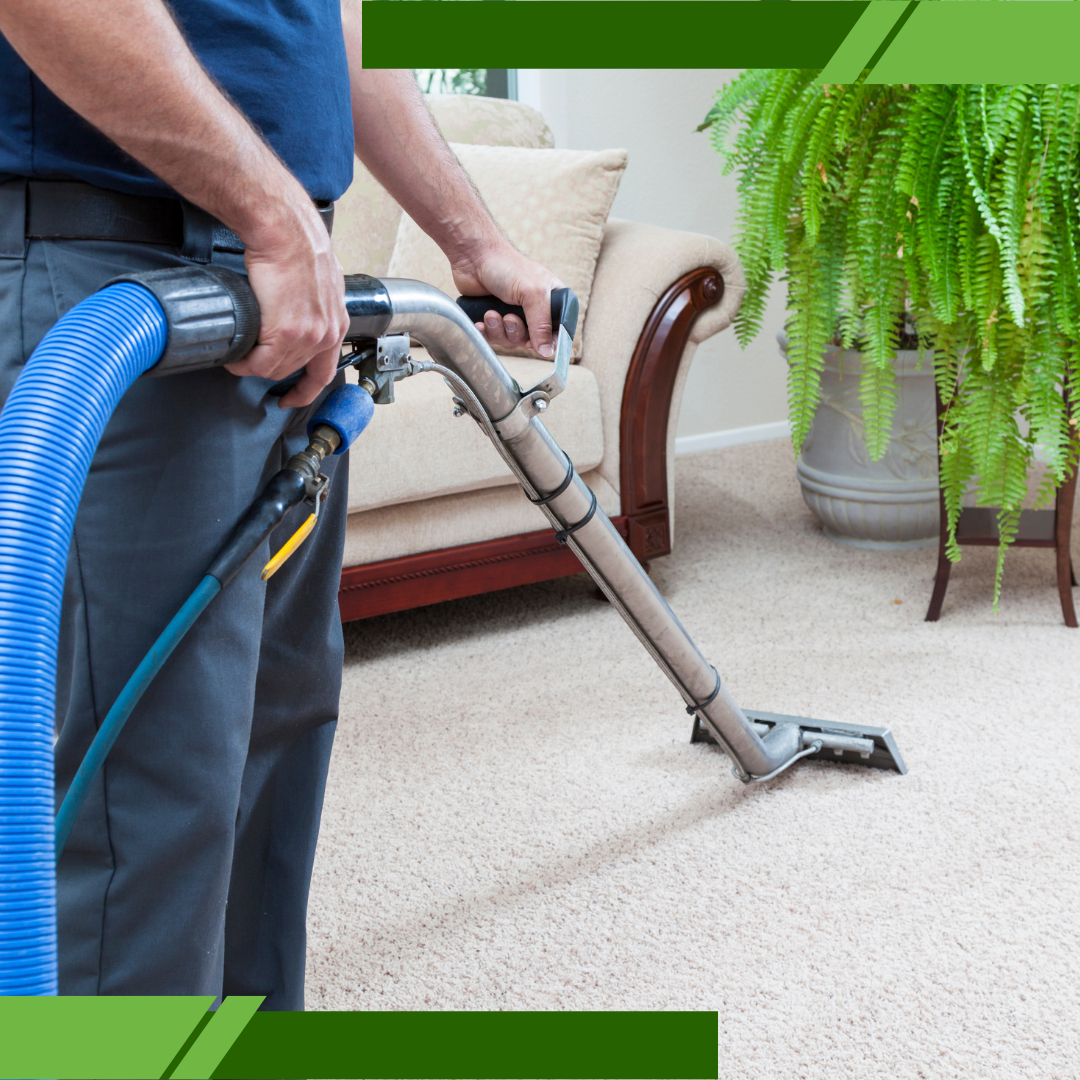
This is why carpets often contribute to dusty house problems in many homes. Regular vacuuming helps remove surface dust, but deeper layers may stay hidden inside the fibers.
For homeowners dealing with constant dust, professional Carpet Cleaning Venice can remove deeply embedded dirt and help keep indoor spaces cleaner for longer.
Simple Habits That Help Reduce Dust Indoors
Although dust will always exist to some degree, there are practical ways to reduce dust indoors and keep your home feeling fresher.
1. Vacuum slowly and regularly
Moving the vacuum slowly helps remove more dust from carpet fibers.
2. Use microfiber cloths
Microfiber traps dust instead of pushing it around like traditional cloths.
3. Wash bedding weekly
Beds collect a lot of skin cells and fabric fibers, which easily become dust.
4. Clean air vents and filters
Changing HVAC filters regularly helps prevent dust from circulating through the home.
5. Use entryway mats
Placing mats near doors helps catch dirt and debris before they reach the carpet.
These simple steps won’t eliminate dust completely, but they can greatly reduce how quickly it builds up.
Managing Dust Instead Of Fighting It
Many homeowners try to find a way to stop dust completely, but dust is a natural part of everyday life. The key is learning how to manage it instead of constantly fighting it.
Understanding the sources of dust, cleaning regularly, and maintaining carpets and furniture can help keep your home cleaner for longer periods of time.
For homeowners in Venice, paying attention to coastal airflow and outdoor particles can also make a difference in managing indoor dust levels.
When you recognize the causes of dusty house problems, it becomes much easier to control dust and maintain a comfortable living space.