Learn Where Allergens Hide and How to Keep Your Indoor Air Fresh and Clean
Many Brentwood homes harbor hidden indoor allergens affecting health, from dust mites and mold to pet dander and cleaning chemicals. These invisible irritants can trigger sneezing, itchy eyes, and fatigue. Understanding their sources and taking simple preventive steps helps keep your home healthier and easier to breathe in.
Dust Mites: The Microscopic Housemates
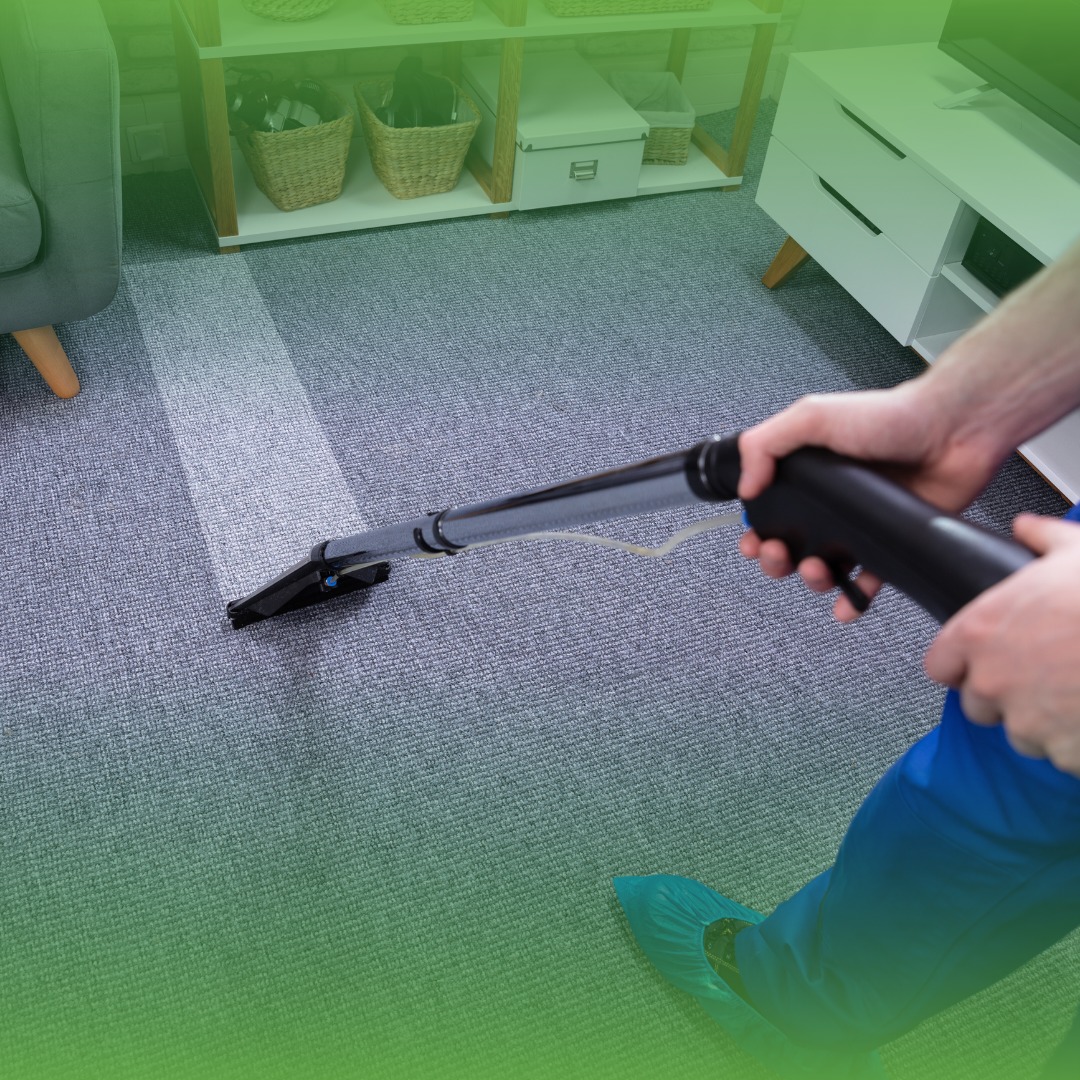
Dust mites thrive in warm, humid areas like bedding, rugs, and upholstered furniture, making them a common household allergen. They feed on dead skin cells and release waste particles that can trigger sneezing, congestion, and itchy skin. Proper rug care, including regular vacuuming with HEPA filters, helps reduce their presence. Combine this with simple indoor air quality tips, such as using dehumidifiers and keeping air vents clean to prevent buildup. These small habits keep your home fresher, healthier, and easier to breathe in.
Mold and Mildew: Hidden Indoor Allergens Affecting Health Through Moisture
Mold spores are a major contributor to indoor allergens, often forming in damp or humid areas like bathrooms, basements, and under sinks. Mold can be especially sneaky, growing behind walls, inside air conditioning ducts, and even under wallpaper where moisture collects. Regular inspections and professional cleaning from Rug Cleaning Brentwood can help prevent mold buildup and keep your home healthier.
Exposure to mold may lead to coughing, itchy eyes, or sinus infections. The problem worsens in homes with poor air circulation, allowing spores to multiply. To prevent this, regularly check high-moisture areas and use ventilation fans after showering or cooking. For deeper prevention, run an air purifier with a HEPA filter or place moisture-absorbing products in problem zones. A proactive approach not only eliminates mold but also keeps your Brentwood home’s air clean and healthy.
Pet Dander and Hair: More Than Just a Cleaning Issue
Even if you don’t own a pet, common household allergy triggers such as pet dander can still find their way into your home through visitors, clothes, or furniture. Dander, tiny flakes of skin shed by cats, dogs, and small mammals, can remain airborne for long periods and settle on fabrics, making it one of the hardest allergens to control.
For pet owners in Brentwood, frequent grooming, vacuuming, and deep cleaning are essential to reduce buildup. Washing pet bedding regularly, creating “pet-free” zones in sleeping areas, and using air purifiers designed to capture pet allergens can also make a big difference. Incorporating deep cleaning into your routine, especially for rugs and upholstery, helps remove trapped dander and dust that ordinary cleaning might miss.
Cleaning Products and Indoor Pollutants: The Chemical Side of Allergies
Sometimes, the very products we use to clean and disinfect our homes contribute to hidden indoor allergens affecting health. Many commercial sprays, air fresheners, and detergents contain volatile organic compounds (VOCs) that release fumes and irritate the respiratory system. These artificial scents can cause dizziness, headaches, and allergic reactions in sensitive individuals.
Combining this approach with other indoor air quality tips, such as maintaining plants that naturally purify the air, can transform your home’s environment into a cleaner and more breathable space. By being mindful of what you bring indoors, you protect your family’s health and comfort long-term.
Common Cleaning Products That Affect Health
Many household cleaners contain volatile organic compounds (VOCs), harsh chemicals, or fragrances that can irritate the eyes, skin, and respiratory system.
1. Bleach (Sodium Hypochlorite)
- Health effects: Can cause eye, skin, and lung irritation; produces toxic gases when mixed with ammonia or acids.
- Long-term risk: May trigger asthma or damage respiratory tissues.
2. Ammonia-Based Cleaners
- Found in: Glass and surface cleaners.
- Health effects: Causes coughing, throat irritation, and breathing difficulty.
- Risk increases when mixed with bleach, it forms dangerous chloramine vapors.
3. Aerosol Sprays
- Includes: Air fresheners, disinfectants, and furniture polish.
- Health effects: Release VOCs that can cause headaches, dizziness, or allergic reactions.
- Environmental note: Contributes to poor indoor air quality and smog formation.
4. Drain and Oven Cleaners
- Contain: Lye or strong acids.
- Health effects: Highly corrosive; can burn skin or eyes and produce toxic fumes.
- Safety tip: Always wear gloves and ensure good ventilation.
5. Scented Cleaners and Air Fresheners
- Contain: Synthetic fragrances, phthalates, and formaldehyde.
- Health effects: May trigger allergies, migraines, or hormonal imbalances.
- Better alternative: Use essential oils or natural deodorizing sprays.
Take Control of Hidden Indoor Allergens
Hidden indoor allergens affecting health can quietly impact daily life. Common household allergy triggers like dust mites, mold, pet dander, and cleaning chemicals, accumulate over time, but simple steps, such as regular vacuuming, proper ventilation, and mindful product choices, can keep your home healthier. Staying proactive ensures cleaner air, easier breathing, and a more comfortable Brentwood home for your family.