Winter Home Safety: Preventing Hidden Risks in Cold Weather Months
Winter may not always bring heavy snow in places like Topanga, but it still brings cold winds, damp air, and hidden home risks that many families overlook. In quiet hillside homes and cozy neighborhoods, small issues like clogged chimneys, weak insulation, or dusty vents can slowly turn into bigger safety concerns. That is why learning simple and practical habits can make a big difference in everyday living.
Many families only think about safety when something goes wrong. But real comfort comes from prevention. A warm home, clean airflow, and a well-maintained space all work together to protect the people inside. This is where smart planning and awareness become part of daily life, especially during colder months when homes stay closed longer.
Best Home Safety Tips for a Safer Winter Season
The best home safety tips always begin with preparation, not reaction. Winter creates conditions where small problems grow faster, especially in older homes, where nature surrounds every property. Moisture, dust buildup, and blocked air pathways can quietly affect both comfort and health.
One of the most important things families should do is check the main areas that keep the home safe and warm. These include heating systems, chimneys, doors, and windows. When these parts are ignored, even a cozy home can become unsafe.
Checking smoke detectors and replacing batteries
Smoke detectors are your first line of defense against fire hazards. During winter, when heaters and fireplaces are used more often, the risk increases. Testing your smoke detectors monthly and replacing batteries ensures they will work properly in an emergency, giving your family enough time to respond and stay safe.
Inspecting heating systems before cold nights
Your heating system works harder during winter, so it needs to be in good condition. A quick inspection helps you catch issues like strange noises, weak airflow, or gas leaks early. This not only improves safety but also keeps your home warm and energy-efficient when temperatures drop.
Sealing small gaps in windows and doors
Even tiny gaps can let cold air in and warm air out, making your home less comfortable and increasing energy use. Sealing these openings with weather stripping or caulk helps maintain indoor warmth, reduces heating costs, and prevents drafts that can make rooms feel colder than they are.
Clearing vents to improve airflow
Blocked vents can trap dust and reduce air circulation inside your home. In winter, this can make heating systems work harder and lower indoor air quality. Keeping vents clean and unobstructed helps warm air flow evenly throughout your home, improving comfort and breathing conditions.
Scheduling regular fireplace and chimney checks
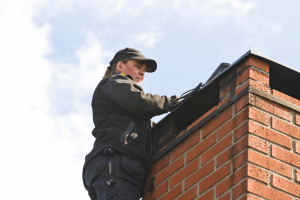
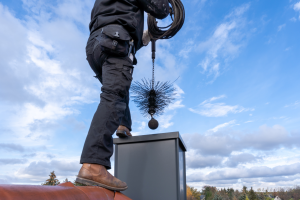
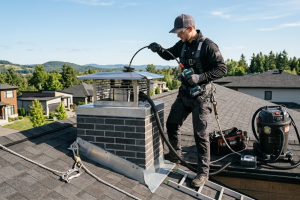
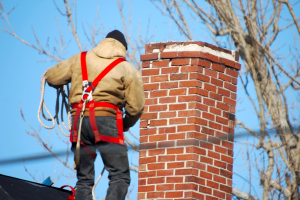
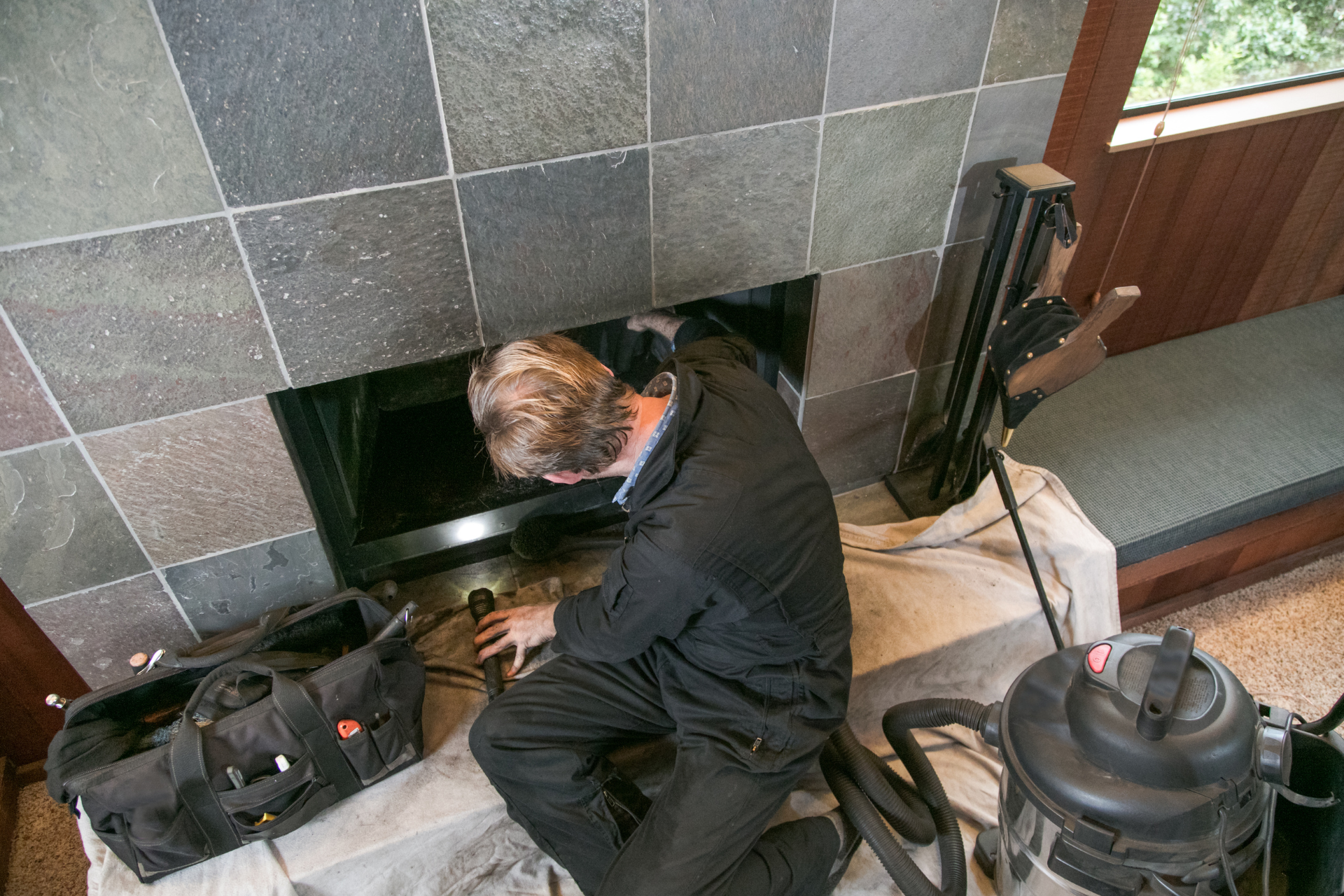
Fireplaces are cozy during winter, but they can become dangerous if not maintained. Soot, creosote buildup, or blockages can increase fire risk. Regular chimney inspections and cleaning ensure safe smoke ventilation and help prevent dangerous indoor air buildup or chimney fires.
In many homes, fireplaces are used more often during winter evenings. This makes proper chimney care even more important. Some homeowners rely on trusted services such as reliable home care experts to help keep their indoor environment safe and clean before the cold season becomes stronger.
When families follow the best home safety tips, they also reduce stress. Instead of worrying about sudden issues, they enjoy warmer nights and safer routines. This is not just about comfort; it is about family protection, especially when children and elderly members are at home. Simple habits like keeping walkways dry, avoiding clutter near heaters, and checking electrical cords can also prevent accidents. In places where homes may have natural wood features or fireplaces, attention to detail matters even more.
Keeping Your Fireplace and Chimney Ready for Cold Nights
Fireplaces bring warmth and comfort, but they also need care. Many homeowners enjoy lighting their fireplace during winter evenings, yet forget that soot and debris can build up over time. This is where proper cleaning becomes essential for safety.
A professional check, such as expert chimney care solutions, helps reduce fire risks and improves air quality inside the home. A well-maintained chimney allows smoke to flow out properly instead of staying trapped indoors.
In fact, Chimney Cleaning Topanga services are often recommended before the peak of winter to ensure everything works smoothly. Without cleaning, blockages can cause smoke to return inside the home, leading to discomfort and health concerns.
Here are common signs your chimney may need attention: strong smoke smell inside the room, black soot falling into the fireplace, difficulty starting or maintaining a fire, and excessive ash buildup. Families focusing on family protection should never ignore these warning signs because a clean chimney is not just about warmth, it is about breathing safely and preventing fire hazards. Many households also schedule maintenance early because winter nights can become unpredictable, and even a small blockage can lead to bigger risks when fireplaces are used frequently. Practicing winter maintenance for fireplaces is a simple step that brings long-term peace of mind, ensuring that every fire burned inside the home stays controlled, safe, and efficient.
Creating a Safer Living Space for Every Family Member
A safe home is not built overnight. It is created through daily care and awareness. The best home safety tips also include paying attention to how each room is used during winter.
For example, living rooms often become the warmest gathering place, while bedrooms may feel colder. Balancing temperature and airflow helps prevent health issues like dry air or excessive humidity.
To support better family protection, consider these everyday actions: keep heaters away from curtains or furniture, use safe indoor humidity levels to avoid dryness, let fresh air in for a few minutes daily, and store cleaning products out of children’s reach. In Topanga, where homes often have natural ventilation, families sometimes forget that even fresh air needs control during colder months because too much closed space can trap dust and allergens inside. A simple daily routine can include opening windows briefly in the morning, wiping down surfaces to remove dust, checking heating equipment before use, and ensuring pets are safe around heat sources. These steps may seem small, but they play a big role in winter maintenance and long-term comfort. When families practice consistency, they naturally reduce risks, which is especially important in homes surrounded by nature, where seasonal changes can affect indoor conditions quickly.
Smart Habits That Make Winter Safer and Easier
Living safely during winter is not only about repairs or inspections. It is also about building habits that protect everyone inside the home. The best safety tips often come from simple routines that anyone can follow without special tools or training.
For example, making sure floors stay dry during rainy days can prevent slips. Keeping emergency numbers visible helps during unexpected situations. Even teaching children basic safety rules adds another layer of family protection.
Here are easy habits that make a big difference: never leave candles or heaters unattended, keep emergency flashlights in key rooms, test smoke alarms once a month, and avoid overloading electrical outlets. Homes in Topanga often experience cooler nights compared to nearby areas, so these habits become even more useful during the winter months. Another important part of winter maintenance is checking hidden areas like attics, basements, and storage rooms because dust and moisture often gather in these spaces without notice, affecting overall air quality. Families who stay consistent with these habits often notice fewer problems and more comfort throughout the season, as safety becomes a natural part of daily living instead of a stressful task.
Building Confidence Through Prepared Living
At the end of the day, a safe home is about peace of mind. When families take time to follow the right routines, they reduce risks and enjoy a more relaxed winter season. The best safety tips are not complicated; they are simple actions repeated with care. In places like Topanga, where homes are close to nature, and weather changes can be felt more strongly, awareness becomes even more important. From fireplace care to daily cleaning habits, every small step contributes to stronger family protection.
Winter should feel warm, not stressful. With proper attention to winter maintenance, regular checks, and responsible habits, families can enjoy the season with confidence. Whether it is preparing your fireplace, organizing your home, or simply paying attention to small details, safety always starts with awareness. And when awareness becomes a habit, a safer and more comfortable home naturally follows.