
Hidden Home Issues: Why Small Problems Can Lead to Bigger Risks
Living in a place like Somis means enjoying quiet surroundings and comfortable living, but many homes here deal with hidden issues that grow slowly over time. One of the most overlooked concerns is how small changes in air, water use, and ventilation can quietly lead to damage inside your home. These hidden issues often start small, but they can affect comfort, air quality, and even your daily routine without you noticing.
Many homeowners focus on visible cleaning, but what happens behind walls, under floors, and inside vents often gets ignored. That is where real trouble begins, especially when moisture starts collecting in hidden spaces. Over time, this can affect both structure and comfort, making it harder to enjoy a truly safe and fresh home environment. If you want to stay ahead, it helps to understand how simple habits, regular checks, and awareness can protect your space and support healthy living for your family.
Moisture Problems You Might Not Notice at Home
Many families do not realize how often small leaks, steam, and poor airflow create hidden damage. These problems can start in places you rarely check, like behind cabinets, under sinks, or inside ceiling corners. At first, it may only feel like a slight smell or extra humidity, but over time, it can lead to stains, peeling paint, and even mold growth. A simple story many homeowners share is noticing a “damp smell” in one room that slowly spreads, and that smell is often the first warning sign of moisture problems, even before visible damage appears. In many cases, homeowners also turn to non-toxic cleaning services to help address these hidden issues safely while maintaining a healthier indoor environment.
Walls That Feel Slightly Soft or Damp
When walls feel soft, spongy, or damp to the touch, it often means moisture has already entered the materials. This can happen from hidden leaks or poor ventilation. Over time, trapped moisture can weaken the wall structure and lead to mold growth, making it important to address the issue early.
Windows with Constant Fog or Condensation
Frequent condensation on windows is a sign of excess humidity inside the home. While it may seem harmless, it often indicates poor airflow or insulation problems. If ignored, this moisture can drip onto window frames and nearby surfaces, leading to mold, wood damage, and reduced indoor air quality.
Floors that Feel Uneven or Cool in Certain Spots
Uneven or unusually cool floor areas can signal moisture trapped underneath. This may come from leaks, poor sealing, or ground moisture rising into the structure. If left unchecked, it can weaken flooring materials and create long-term structural problems.
A Musty Smell that Doesn’t Go Away
A persistent musty odor is one of the clearest signs of hidden moisture or mold. Even if surfaces look clean, the smell indicates that damp areas may exist behind walls, under floors, or in hidden corners. This should never be ignored, as it often points to ongoing moisture issues.
Sudden Increase in Allergy Symptoms
If family members start experiencing more sneezing, coughing, or watery eyes indoors, it may be linked to mold or dust mites caused by excess moisture. Poor indoor air quality can directly affect health, making it important to investigate and resolve the source quickly.
Good home maintenance helps reduce these risks, especially when done regularly instead of waiting for visible damage. In Somis, where seasonal humidity can shift quickly, small checks can make a big difference.
For homeowners looking for reliable care and guidance, many trust trusted home care services to help them better understand early warning signs before damage spreads.
Supporting healthy living at home is not just about cleaning surfaces. It is about making sure the air you breathe every day is fresh and safe. Even simple habits like opening windows early in the morning or checking under sinks once a week can prevent serious issues later.
Hidden Areas Where Moisture Builds Up Fast
Some parts of the home naturally collect dampness faster than others, especially in homes where temperature changes happen during the day and night. Common hidden zones include kitchen corners where steam collects while cooking, bathroom ceilings after long showers, laundry rooms with poor ventilation, and storage rooms where air does not circulate well. Kitchen steam zones refer to areas near stoves and sinks where warm air meets cooler surfaces, creating condensation, while bathroom damp corners are spots where water vapor stays trapped after showers, and storage humidity spots are closed spaces where air movement is limited, allowing moisture to build up slowly. Ignoring these areas can slowly lead to problems that affect both structure and comfort.
How Daily Habits Affect Indoor Air and Comfort
Many homeowners do not realize that small daily actions influence indoor conditions. Even leaving a window closed all day can trap humidity inside the home. Simple habits that help include wiping wet surfaces immediately after use, running exhaust fans during cooking or bathing, avoiding drying clothes inside closed rooms, and checking for leaks under sinks weekly. These small steps support better home maintenance and also improve healthy living by keeping the indoor environment stable and clean. Over time, these habits reduce the chance of developing moisture problems, especially in hidden corners that are hard to reach. Families often notice that when they stay consistent with these habits, the air inside their homes feels lighter and fresher.
When Ventilation and Chimneys Become Important
Air movement plays a big role in keeping your home dry and safe. Poor ventilation allows damp air to stay trapped, which slowly leads to damage. This is especially important in homes that use fireplaces or heating systems during cooler months.
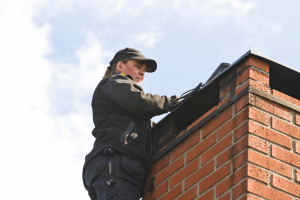
In fact, services like Chimney Cleaning Somis are often recommended for homeowners who want to maintain both safety and airflow. A clean chimney helps reduce blockages that can trap moisture and smoke inside the home.
Professional chimney cleaning experts often check for soot buildup that blocks airflow, moisture accumulation inside flues, cracks that allow water seepage, and poor ventilation flow patterns. For homeowners, this becomes even more important because seasonal changes can quickly affect indoor humidity levels. When chimneys and vents are clean, the home breathes better, reducing the chance of hidden problems forming over time. Proper airflow also supports healthy living, making the home more comfortable and reducing respiratory irritation caused by stale air.
Why Regular Care Makes a Big Difference in Somis Homes
Keeping up with regular inspections and cleaning routines is one of the most effective ways to avoid long-term damage. Homes often deal with shifting weather conditions; staying consistent with home maintenance helps prevent small issues from becoming expensive repairs.
A simple routine might include checking for leaks every two weeks, cleaning vents and air pathways monthly, inspecting walls and ceilings for early stains, and making sure outdoor drainage is clear. These steps help reduce the chances of developing moisture problems, especially in hidden or hard-to-reach areas. Over time, families notice that consistent care improves not just the structure of their home but also their daily comfort. This directly supports better healthy living, since clean and dry air makes it easier to sleep, focus, and relax. Even in Somis, where life feels calm and peaceful, ignoring small home issues can slowly affect comfort, which is why awareness is key.
Building a Healthier and Safer Home Environment
Creating a healthier home does not always require big changes. It often starts with awareness and small daily improvements. When you understand how air, water, and temperature interact, you can prevent most problems before they grow. A strong approach includes staying consistent with inspections, keeping airflow moving throughout the home, acting quickly on small leaks or stains, and maintaining clean and dry surfaces. When these habits become part of your routine, problems become much easier to control. Homes benefit greatly from this approach because environmental conditions can change quickly throughout the year.
Supporting healthy living means more than just eating well or exercising; it also includes the space where you spend most of your time. A clean, dry, and well-maintained home creates a stronger foundation for daily comfort and long-term wellness. By focusing on awareness, simple care, and proper airflow, homeowners can protect their space and enjoy a safer, more comfortable life every day.