
Keeping an Allergy-Free Home during the Cold Season
Cold weather often makes people think they are safer from dust and pollen, but that is not always true. When windows stay closed and air does not move much, allergens can stay trapped inside the house. In places like Canoga Park, where the weather can shift between dry and cool, indoor air often becomes heavier and harder to breathe. Families who spend more time indoors during the cold season may notice sneezing, itchy eyes, or even constant coughing without knowing the real cause.
A big part of protecting an allergy-free home is understanding how daily habits affect indoor air. Dust builds up faster when cleaning is delayed, and moisture from cooking or showering can create a perfect space for allergens to grow. Many homes experience this without realizing it, especially when heating systems run for long hours.
Smart Cold-Season Habits for Cleaner Air and Safer Spaces
During the colder months, homes in often stay closed for long periods, trapping dust, pet hair, and even smoke particles inside. This is why building an allergy-free home requires more than just surface cleaning; it needs smart habits that support long-term freshness.
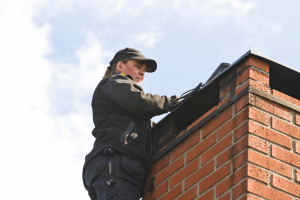
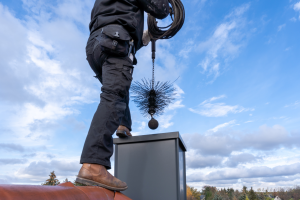
One often overlooked area is the fireplace and chimney system. When not cleaned properly, soot and fine particles can spread into living spaces. That is why services like Chimney Cleaning Canoga Park are important for maintaining indoor air quality, especially in older homes. A blocked or dirty chimney can easily disrupt a healthy environment, allowing allergens and smoke particles to circulate indoors.
Homeowners often combine heating maintenance with seasonal cleaning routines to prevent buildup. This includes checking vents, cleaning carpets, and making sure dust does not settle in hidden corners.
Vacuuming carpets at least twice a week
Carpets easily trap dust, dirt, pet hair, and allergens, especially during the cold season when windows stay closed more often. Vacuuming at least twice a week helps prevent these particles from building up and getting released back into the air every time you walk across the room. It also reduces dust mites, which can trigger allergies and breathing discomfort. Regular vacuuming keeps indoor air fresher and helps maintain a cleaner, healthier living space overall.
Washing curtains and soft furniture covers monthly
Curtains, sofa covers, and other fabric surfaces act like filters that collect airborne dust, smoke particles, and odors over time. If they are not cleaned regularly, they can slowly release these particles back into your home. Washing them once a month helps remove trapped allergens and keeps your home smelling fresh. This habit is especially important during colder months when ventilation is limited, and indoor air tends to circulate more.
Keeping heating vents free from dust and lint
Heating vents move warm air throughout your home, but if they are blocked or dusty, they can spread pollutants instead of clean air. Dust buildup in vents can also reduce heating efficiency and cause uneven airflow. Cleaning vents regularly ensures that air moves freely and safely, helping maintain better air quality and a more comfortable indoor temperature during cold weather.
Using natural airflow whenever possible
Even in cold seasons, short periods of natural ventilation can make a big difference in air quality. Opening windows briefly allows fresh air to enter and helps remove stale air, moisture, and indoor pollutants. This simple habit reduces the buildup of germs and improves overall oxygen circulation. Doing this during the warmest part of the day keeps your home refreshed without losing too much heat.
Another useful approach is scheduling deep cleaning before peak winter. Many families notice that once they follow a structured seasonal cleaning plan, breathing feels easier and morning allergies decrease.
Daily Cleaning Routines That Protect Your Indoor Air
Keeping a truly allergy-free space during cold weather depends heavily on daily routines. Even small actions repeated consistently can reduce allergens significantly. Dust can easily enter through dry winds, and daily cleaning becomes even more important. A strong seasonal cleaning routine should not feel overwhelming; instead, it should be simple, consistent, and easy to follow, almost like a set of daily habits that protect your comfort and well-being. Many households find it helpful to follow a basic structure, starting with a morning routine that includes opening windows for 10–15 minutes to let fresh air circulate, wiping kitchen counters after breakfast to remove crumbs and bacteria, and quickly checking for dust on visible surfaces to keep buildup under control.
In the evening, the focus shifts to maintaining cleanliness by sweeping or vacuuming high-traffic areas, lightly cleaning bathroom surfaces to prevent grime buildup, and emptying trash bins to avoid odors and pests. Although these steps may seem small, they play an important role in supporting a long-term healthy environment by stopping allergens, dust, and germs from spreading throughout the home.
Families with pets often notice faster dust buildup, which makes consistency even more important. Pet dander can easily mix with household dust, making symptoms worse for sensitive individuals. This is why regular seasonal cleaning is not just about appearance; it directly affects breathing comfort.
Another important tip is improving air movement, as good airflow plays a major role in maintaining a healthy indoor environment. Ceiling fans should be cleaned regularly to prevent dust from circulating back into the room, and air filters should be replaced every 1–3 months, depending on usage, to ensure clean and efficient air circulation throughout the home. These simple steps help maintain a steady, healthy environment and reduce the buildup of allergens over time. Many homeowners also choose to consult trusted eco-friendly cleaning experts to make sure their ventilation systems and cleaning routines support better indoor air quality without relying on harsh chemicals. Over time, these small but consistent habits create a noticeable difference. Rooms feel fresher, sleep quality improves, and allergy symptoms often decrease naturally without the need for medication.
Creating Long-Term Comfort Through Simple Home Care Choices
Building a lasting home is not about doing everything at once. It is about making better choices every day. Families often deal with seasonal dust and dry air; consistency is what keeps homes comfortable. One important factor is understanding how hidden areas affect air quality. Spaces behind furniture, under rugs, and inside vents often collect dust that slowly spreads into the air. This is why regular seasonal cleaning is necessary, especially during colder months when airflow is limited.
A strong, healthy environment also depends on moisture control, since too much moisture can lead to mold growth, while too little can make dust spread more easily, and maintaining balanced indoor humidity helps keep the home more stable and easier to breathe in. Simple long-term care habits can make a big difference, such as occasionally rearranging furniture to clean hidden areas that are often missed, using natural dehumidifiers in damp spaces to reduce excess moisture, keeping indoor plants clean and free from dust buildup, and avoiding heavy chemical sprays that may negatively affect indoor air quality.
In Canoga Park, many homeowners notice that once they follow these habits, their homes feel more stable and comfortable during the winter season, and even sleep quality improves because the air feels cleaner and lighter. Another often overlooked but important step is checking fireplaces and heating systems before heavy use, as dust and soot buildup can quietly reduce air quality, making regular maintenance essential for a safer and healthier living environment.
Final Thoughts for a Healthier Cold-Season Home
Cold weather should feel cozy, not uncomfortable. When you understand how indoor air behaves, it becomes easier to maintain an allergy-free home without stress. In Canoga Park, where families rely on indoor heating and closed windows during colder months, small habits truly matter.
Sticking to regular seasonal cleaning, improving airflow, and maintaining chimney and heating systems all work together to protect your comfort. Even simple actions like wiping surfaces or changing air filters can create a stronger healthy environment over time. When everything comes together, clean routines, proper maintenance, and awareness, you create a home that feels fresh even in the coldest days. In Canoga Park, many households find that once they stay consistent, allergies become less frequent, and daily living becomes more comfortable.