
How Healthy Home Tips Improve Indoor Air and Everyday Comfort
A home should feel calm, fresh, and easy to breathe in. But many families do not realize that indoor air can quietly become heavy over time. Cooking smoke, dust, pet dander, and even moisture can build up inside without anyone noticing. This is where healthy tips become important in daily life. Small actions can slowly change how a home feels, especially when the air inside starts to feel stuffy or warm.
One simple story comes from a family living in a quiet neighborhood in Winnetka. They noticed that even after cleaning, the air inside still felt “stale” in the afternoons. At first, they ignored it, thinking it was normal. But later, they realized that airflow and routine habits were affecting how comfortable their home felt. Good habits and better awareness helped them improve indoor comfort, making every room feel lighter and easier to enjoy.
Many homes benefit from simple services and guidance that support cleaner living spaces. Some families even look for reliable cleaning help online, such as through this trusted resource: trusted eco-friendly cleaning support. When small changes are paired with awareness, healthy home tips can make a real difference in everyday living.
People often share similar experiences, especially during colder months when windows stay closed for longer hours. Without realizing it, indoor air becomes trapped, and comfort levels slowly drop.
Understanding Air Flow and Daily Living Choices
One of the most important parts of a healthy home is how air moves inside. Poor airflow can make rooms feel warm, heavy, or even slightly damp. This is where home ventilation plays a major role in keeping the air fresh and balanced.
In many homes, people notice that kitchens and bedrooms can feel very different throughout the day, especially when cooking smells linger longer than expected due to closed windows and limited airflow. This is why having a simple awareness of airflow patterns is important for every household. Good airflow does not have to be complicated; it can be achieved through small daily habits such as opening windows early in the morning to let fresh air circulate, using exhaust fans while cooking or showering to remove moisture and odors, keeping interior doors open when possible to encourage a natural cross-breeze, and regularly cleaning vents and air pathways to ensure proper air movement throughout the home.
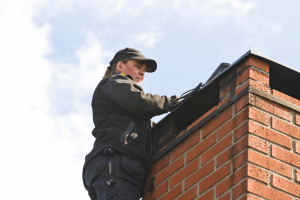
In one local case, a homeowner noticed that their chimney area also needed attention after a long season of use. They scheduled a professional check through Chimney Cleaning Winnetka, which helped improve airflow around the fireplace area and reduce lingering odors. This small step made a noticeable difference in daily indoor comfort, especially during cold nights. Better airflow habits also support healthy tips, because they reduce trapped moisture and help prevent stale air buildup. Over time, this creates a more natural and relaxing living space.
Building Simple Habits for Cleaner Indoor Living
A comfortable home is not built in one day. It comes from small habits repeated over time. Many families do not realize that cleaning routines and airflow habits work together. When combined, they improve both freshness and indoor comfort.
Wiping surfaces daily to reduce dust buildup
Daily wiping of tables, countertops, shelves, and other flat surfaces helps prevent dust from accumulating and spreading around the home. Dust can carry allergens, bacteria, and tiny particles that affect breathing comfort, especially in closed indoor spaces. By cleaning surfaces every day, you reduce the chance of buildup and keep your home feeling fresher and more organized with minimal effort.
Washing fabrics like curtains and pillow covers regularly
Soft fabrics naturally trap dust, odors, and allergens over time. Curtains, pillow covers, and cushions can slowly release these particles back into the air if not cleaned. Regular washing helps maintain better indoor air quality and keeps living spaces smelling clean and fresh. This habit is especially important in rooms where people spend a lot of time resting or relaxing.
Checking corners and hidden areas for moisture
Moisture often builds up in hidden areas like behind furniture, under sinks, or in room corners where airflow is limited. If left unnoticed, it can lead to mold growth and musty odors. Regularly checking these areas helps catch early signs of moisture problems and prevents long-term damage. Keeping these spaces dry supports a healthier and safer indoor environment.
Letting sunlight enter rooms during the day
Natural sunlight helps reduce moisture, limit bacteria growth, and make indoor spaces feel brighter and more inviting. Opening curtains or blinds during the day allows sunlight to warm and refresh the home naturally. This simple habit also improves mood and helps maintain a cleaner, more pleasant living environment without extra effort. These are practical, healthy tips that do not require major effort. In fact, many homeowners say that small changes made the biggest difference in how their homes felt each morning.
One family shared that after changing their cleaning routine, they noticed fewer odors in their living room and better sleep at night. They also realized that air freshness affects mood and energy levels more than expected. A clean space naturally supports better indoor comfort, making the home feel more welcoming. When these habits become part of daily life, the home slowly transforms. It no longer feels like a place that needs constant fixing, but instead a place that supports relaxation and peace.
Small Fixes That Create Long-Term Comfort
Sometimes, the biggest improvements come from the smallest repairs. A loose vent, a dusty filter, or blocked airflow paths can quietly reduce comfort inside a home. This is where home ventilation again becomes important, because even small blockages can affect how air moves from room to room. Homeowners often discover that simple maintenance tasks improve their living space more than expected. Cleaning vents, checking fans, and making sure air can move freely are all part of long-term home care.
Even checking less obvious areas, like fireplaces or chimney spaces, can help improve airflow. In older homes, small blockages can build up over time, affecting how fresh the air feels indoors. This is why maintenance and awareness go hand in hand with healthy home tips. A cleaner airflow system supports better breathing comfort and reduces stuffiness. When air moves properly, every room feels more balanced, and indoor comfort naturally improves without extra effort.
A Real-Life Experience from a Quiet Winnetka Neighborhood
In one neighborhood, a family shared how they struggled with uneven air quality in different rooms. Their living room felt fine, but the bedrooms felt heavier and less fresh. At first, they were confused about the cause. After observing their daily routine, they realized that closed windows and limited airflow were the main issues. They slowly changed their habits and followed simple tips, such as opening windows during the morning and allowing fresh air to circulate for a few minutes each day.
They also made sure to clean often-overlooked areas like vents and corners. Over time, they noticed a big change in how their home felt. Their indoor comfort improved, and the house felt lighter and more pleasant throughout the day. Living where seasonal changes affect indoor air, they learned that small adjustments matter more than expensive solutions. Their experience shows how awareness and simple steps can transform a home environment.
Balancing Warmth, Air Flow, and Everyday Living
A balanced home is one where warmth and air flow work together. When heating systems run during colder months, air can become dry or trapped. This is where indoor comfort becomes a key part of daily living. Families in Winnetka often experience this during the winter season, when they close windows to stay warm, but this also reduces fresh air movement inside the home, making it important to find a healthy balance so the space remains both warm and breathable. Helpful practices include briefly opening windows during midday to allow fresh air exchange, using fans to gently circulate warm air throughout different rooms, keeping heating levels steady instead of setting them too high or too low, and regularly cleaning air pathways so airflow remains smooth and unobstructed.
These tips work together to create a better balance between comfort and indoor air quality, and when practiced regularly, they help prevent the home from feeling too dry, heavy, or closed in. Good air balance supports not only physical comfort but also mental ease, helping people relax more easily, sleep better, and enjoy their living space more fully.
When Home Systems Need Extra Attention
Sometimes, even with good habits, homes still need deeper attention. This is normal, especially in older houses or during seasonal changes. Regular checks help prevent small issues from becoming bigger problems. Many homeowners schedule seasonal inspections to make sure everything is working properly. This includes airflow systems, heating units, and chimney areas. These steps ensure that indoor comfort stays steady throughout the year.
One important reminder is that homes are always changing. Dust, moisture, and airflow patterns shift depending on weather and daily use. That is why consistent healthy home tips are not just helpful, they are necessary for long-term comfort. When families stay aware of these changes, they can enjoy a safer and more comfortable home environment. Over time, even small routines create lasting improvements that make daily life easier and more enjoyable in Winnetka.