Your Regular Home Routine and the Power of Preventive Maintenance
Every home tells a story. It starts with small things like a tiny crack on the wall or a slow drip under the sink. At first, these issues seem easy to ignore. Life gets busy, and many homeowners think, “I’ll fix it later.” But later often turns into bigger damage, higher costs, and more stress.
This is where preventive maintenance becomes your best friend. It’s not just about cleaning or fixing things when they break. It’s about paying attention early, so problems never get worse. In busy cities like Los Angeles, where homes face dust, changing weather, and daily wear, having a simple routine can make a big difference. Think of your home like a car. You don’t wait for the engine to fail before getting an oil change. The same idea applies here. Small actions done regularly can protect your space, your comfort, and your budget.
Spotting Early Warning Signs Before They Get Worse
Most major home problems don’t happen overnight. They build slowly. The key is knowing what to look for before things get out of control. Imagine walking into your living room and noticing a faint smell of smoke or dust. It may not seem serious, but it could point to hidden buildup in your chimney or vents. Over time, this can affect air quality and even safety.
Water Stains on Ceilings or Walls
Water stains usually appear as yellow, brown, or dark patches. These marks often signal a hidden leak coming from the roof, plumbing, or even an upstairs bathroom. If left unchecked, the moisture can spread and weaken the structure. It may also lead to mold growth, which can affect indoor air quality. Even a small stain can mean a bigger issue behind the surface, so it’s best to inspect it early.
Peeling Paint or Bubbling Surfaces
When paint starts to peel, crack, or bubble, it’s often due to moisture trapped underneath. This can happen from leaks, high humidity, or poor ventilation. The surface may look like it’s lifting or forming small air pockets. This is more than just a cosmetic issue; it’s a sign that water is damaging the material underneath, such as drywall or wood.
Weak Airflow from Vents
If your vents are not pushing out enough air, it may indicate a problem with your HVAC system. Common causes include clogged air filters, blocked ducts, or a failing blower. Weak airflow can make your home uncomfortable and increase energy bills. It may also signal dust buildup or debris inside the system, which can affect air quality over time.
Strange Odors That Don’t Go Away
Persistent odors, especially musty or burnt smells, can point to hidden problems. A musty smell often means moisture or mold is present somewhere in your home. Burning or electrical smells may indicate wiring issues or overheating components. Ignoring these odors can lead to bigger safety risks, so it’s important to find the source quickly.
Cracks Forming Around Windows or Doors
Small cracks around windows or door frames may seem harmless at first, but they can be early signs of structural movement or foundation issues. As a house settles over time, minor cracks can appear. However, if they grow larger or spread, it may indicate shifting or uneven support. These cracks can also let in air, moisture, and pests, reducing your home’s efficiency and comfort.
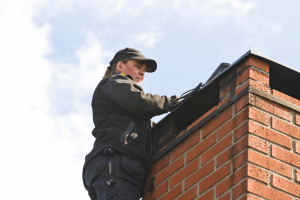
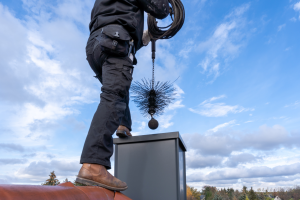
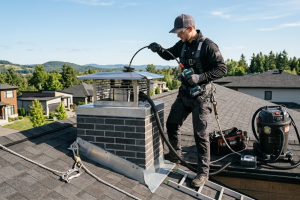
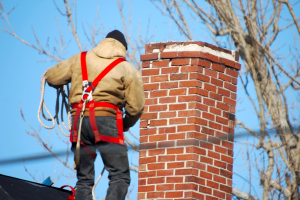
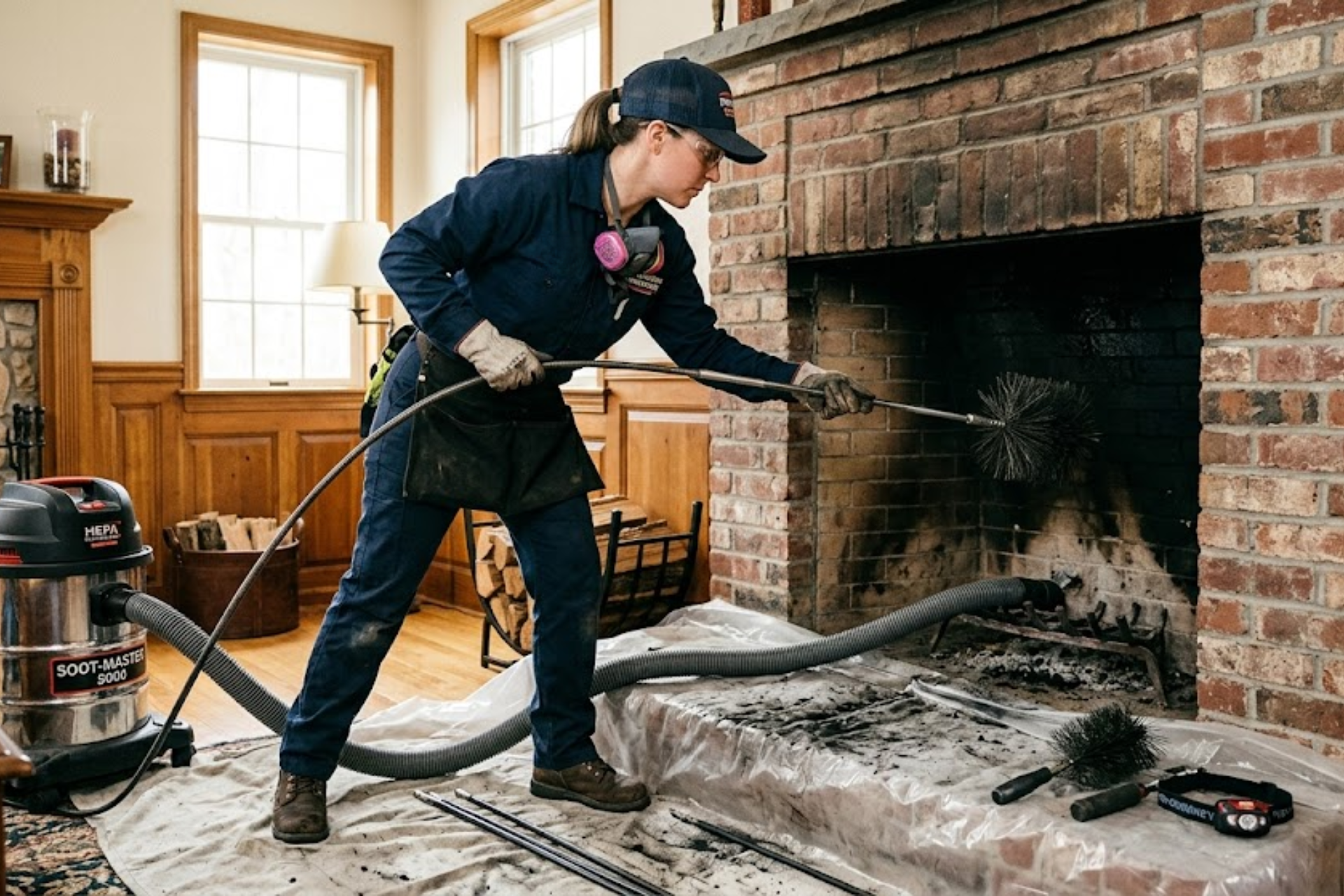
These signs are your home’s way of asking for help. Acting early can save you from major home repairs that cost thousands. In Los Angeles, chimney care is often overlooked, especially in older homes. Dust, debris, and soot can build up inside, blocking airflow and increasing fire risks.
Why Small Fixes Today Save You Big Money Tomorrow
Many homeowners hesitate to fix small issues because they think it’s not urgent, but small problems don’t stay small; they grow quietly until they become expensive emergencies. Take a simple example: a clogged gutter may not seem like a big deal at first, but over time, it can cause water to overflow and damage your roof, walls, and foundation. What started as a simple cleaning task can turn into a major repair project. Small fixes truly make a big impact. Fixing a leak early prevents mold growth, cleaning vents improves air quality and efficiency, sealing cracks keeps pests and moisture out, maintaining chimneys reduces fire risks, and checking roofing helps avoid structural damage. This is the true value of preventive maintenance, as it protects your home before problems become overwhelming.
In places like Los Angeles, where homes are exposed to dust and changing conditions, regular attention plays a key role in maintaining comfort and safety. Many homeowners who follow a consistent routine notice fewer breakdowns and better overall living conditions. To visualize this, think of your home as a system: daily tasks involve light cleaning and observation, weekly routines focus on surface checks and minor cleaning, monthly efforts include inspecting hidden areas, and seasonal work covers deep cleaning and maintenance. By following this simple structure, you strengthen your property upkeep and avoid unnecessary stress while keeping your home in excellent condition year-round.
Building a Long-Term Habit That Protects Your Home
Creating a routine is one thing, but sticking to it is another. The key is to keep everything simple and realistic so it doesn’t feel overwhelming. You don’t have to do everything at once; start small and build consistency over time. A smart approach is to assign tasks based on your schedule, such as using weekends to inspect and clean visible areas, midweek for quick checks on water and airflow, and monthly sessions for deeper inspection tasks. You can also involve your family to make things easier and more effective, turning routine care into a shared responsibility that benefits everyone at home, and when needed, rely on trusted professionals like Chimney Cleaning Los Angeles to handle more specialized inspections.
To stay consistent, try setting reminders on your phone, keeping a checklist visible, tackling one area at a time, rewarding yourself after completing tasks, and scheduling professional inspections when needed. Over time, these habits become part of your lifestyle, and you won’t even have to think about them; they’ll feel natural. In Los Angeles, homeowners who practice preventive maintenance often experience fewer emergencies and better home value. It’s not about doing more work, but about doing the right work at the right time to keep your home in the best possible condition.