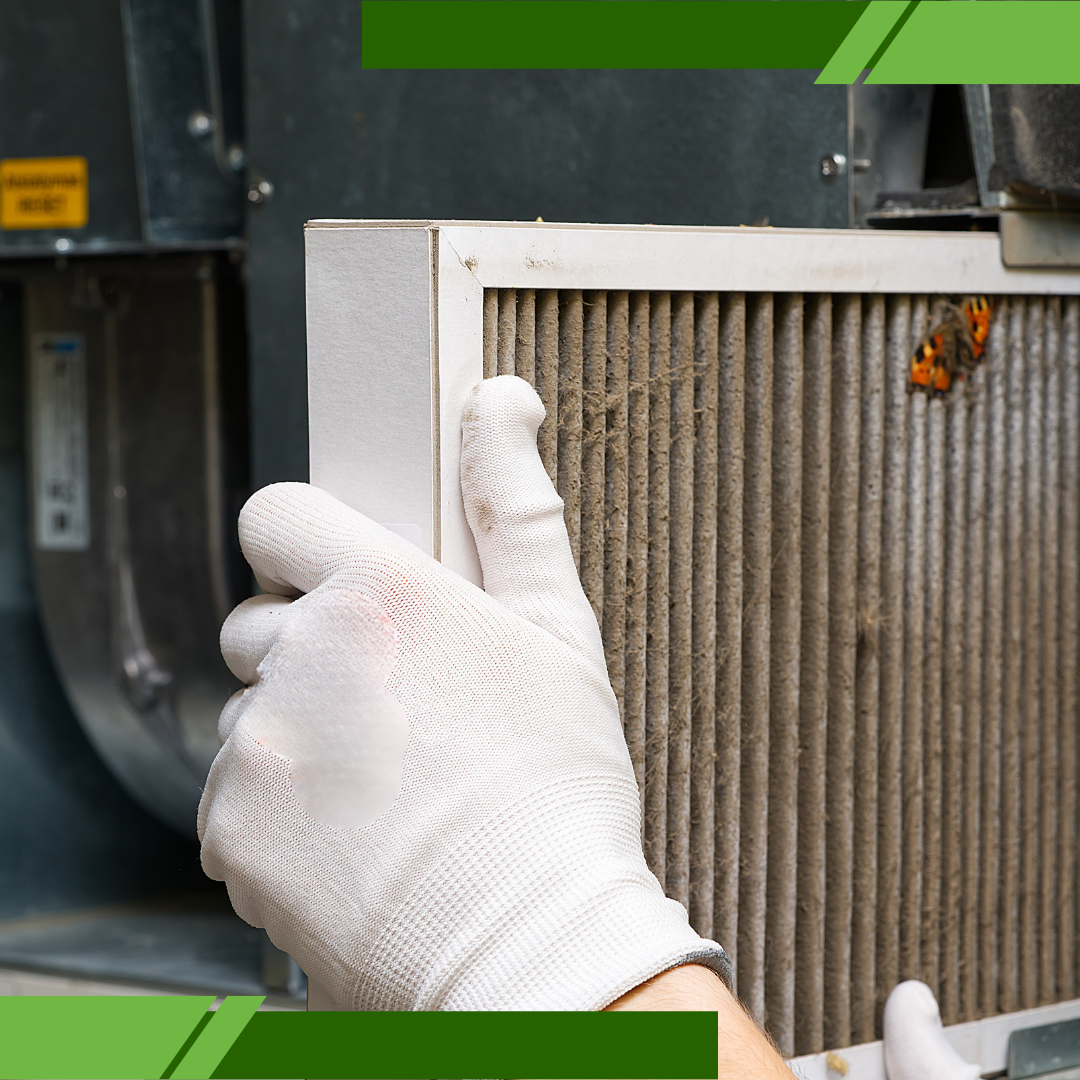
Indoor air quality problems rarely announce themselves all at once. They creep in slowly through dusty vents, stale odors, weak airflow, and allergy flare-ups that seem to happen for no reason. Since ductwork stays hidden behind walls and ceilings, many homeowners in San Pedro do not realize their HVAC system is circulating contaminants until comfort and efficiency noticeably decline. Learning the signs that air ducts need cleaning can help you act early, avoid unnecessary repairs, and keep your home healthier year-round.
Why Dirty Ducts Affect More Than Just Dust
When your HVAC system runs, air moves through supply and return ducts many times a day. If those pathways are lined with debris, the system pushes particles into your living space while working harder to maintain your thermostat setting. This can create a cycle of poor air quality, inconsistent temperatures, and rising utility costs, especially in homes across San Pedro.
The issue is not only about visible dust. Duct buildup can include pollen, pet dander, lint, mold spores, and fine particles that settle in the system over time. Every time the blower turns on, those contaminants can circulate again. That is why understanding the signs air ducts need cleaning is an important part of routine home maintenance.
The Most Common Signs Air Ducts Need Cleaning
Everyday Symptoms Homeowners Often Ignore
Many households experience warning signs without realizing they point back to ductwork. If one or more of the issues below sound familiar, your system may be overdue for service.
- Dust collects quickly on furniture, even after cleaning
- Airflow feels weak in one or more rooms
- Some rooms are always hotter or colder than others
- Vents release a musty or stale smell when the system starts
- Allergy symptoms worsen indoors but improve outside
- Air filters clog much faster than expected
- Utility bills increase even though usage habits stay the same
- You hear rattling or whistling sounds from vents
- You notice visible debris around registers
- The home feels stuffy even when the HVAC system is running
These are also common signs of clogged air ducts, especially in older homes in San Pedro.
What Those Signs Usually Mean
When airflow drops, the system may be fighting against buildup inside ducts. When odors appear, trapped dust or moisture may be contributing to stale air. When allergies spike, your HVAC system may be recirculating irritants that should have been removed. Dirty ductwork does not always mean your home is unclean. It often means the hidden system that supports your comfort needs attention.
Performance Red Flags That Point to Duct Buildup
Your HVAC system is designed to move air efficiently. If ducts become restricted, the equipment must run longer to maintain the same temperature. That extra strain can shorten the life of components and increase maintenance costs over time.
A few performance issues to watch for include:
- Longer heating or cooling cycles than normal
- Thermostat settings that no longer feel accurate
- Frequent filter changes due to heavy dust accumulation
- Reduced airflow from vents furthest from the air handler
- Increased humidity indoors, even when cooling is on
Working with certified cleaning specialists in San Pedro can help identify these issues early and restore proper airflow before they worsen.
Health and Air Quality Warning Signs You Should Not Overlook
Why Indoor Allergies Can Get Worse
Dust mites, pet dander, pollen, and mold spores are common indoor irritants. If they collect in ductwork, they may be redistributed every time the system runs. This can trigger sneezing, congestion, itchy eyes, dry throat, coughing, and mild wheezing.
For people with asthma or sensitivities, poor indoor air quality can make symptoms more frequent and harder to manage. Choosing advanced cleaning services can help reduce the buildup of these particles and improve overall air circulation.
Odors and Moisture Concerns
Musty smells coming from vents can signal trapped debris or moisture in the system. Moisture is especially concerning because it can support mold growth in certain conditions. If you notice persistent odors that return after cleaning your home, ductwork should be inspected.
A Quick Description List: What Each Symptom Tells You
Weak airflow
: Usually points to blockages, leaks, or buildup restricting air movement
Dust around vents
: Suggests particles are being pushed out of the duct system
Fast clogging filters
: Indicates excess debris is circulating through the HVAC system
Uneven temperatures
: Can be caused by restricted ducts or poor distribution
Musty vent smell
: May signal moisture, mold, or trapped organic debris
Frequent allergy flare-ups
: Often linked to airborne particles recirculating indoors
Higher energy bills
: Common when the system works harder to move air through dirty ducts
Extra Factors That Make Duct Cleaning More Important
Some homes need duct cleaning more often than others. If any of the following apply, your risk of buildup is higher:
- You recently completed a renovation or remodeling project
- You have multiple pets that shed regularly
- Someone in the home has allergies or asthma
- You moved into an older home with an unknown maintenance history
- You notice visible dust blowing from vents
How Professional Duct Cleaning Helps
Professional duct cleaning is designed to remove debris from the entire duct system, not just the vent covers. A quality service typically includes a full inspection, negative pressure vacuuming, and the use of specialized agitation tools that loosen buildup from duct walls. Some providers also clean accessible HVAC components such as registers and return vents to ensure a more complete result. With Air Duct Cleaning San Pedro, homeowners can expect a more thorough approach that targets hidden contaminants affecting both airflow and air quality.
The benefits of proper cleaning go beyond just removing dust. It can improve airflow and circulation, create more consistent room temperatures, reduce dust settling on surfaces, and minimize strain on HVAC equipment. Over time, this leads to better system efficiency and cleaner indoor air for everyday comfort. Choosing a reputable provider is essential, as experienced professionals will clearly explain the process and avoid unnecessary upselling while delivering reliable results.
Preventive Maintenance Tips to Keep Ducts Cleaner Longer
Duct cleaning works best when paired with routine maintenance. To slow down future buildup, follow these simple habits:
- Replace HVAC filters on schedule
- Use the correct filter size and rating for your system
- Vacuum and dust regularly, especially around vents
- Keep return vents clear of furniture and clutter
- Seal gaps around duct joints if leaks are found
- Schedule seasonal HVAC tune-ups
- Control indoor humidity to reduce moisture issues
Frequently Asked Questions About Duct Cleaning
How often should air ducts be cleaned?
Most homes benefit from duct cleaning every three to five years, but homes in San Pedro with pets or allergies may need service sooner
Can dirty ducts increase energy bills?
Yes, restricted airflow forces your HVAC system to run longer, which increases energy use
Will duct cleaning eliminate all the dust in my home?
No, but it reduces the amount circulating through your system
Is duct cleaning safe for older HVAC systems?
Yes, when done by professionals using proper equipment
What are the clearest signs that air ducts need cleaning?
Dust buildup, weak airflow, musty odors, uneven temperatures, and allergies