
Why Invisible Air Particles Keep Returning Even After Cleaning
In many homes, especially in places like Beverly Hills, people often think that clean floors and tidy furniture mean a healthy indoor space. But the truth is, air can still carry invisible particles that slowly affect comfort and health. This is where dust and debris effects begin to matter more than most people realize.
Inside everyday living spaces, tiny particles float through the air without being seen. These particles come from clothing fibers, outdoor wind, pets, cooking, and even old furniture. Over time, they settle into corners, vents, and hidden surfaces. This constant cycle is one of the major indoor pollution causes that often gets ignored until symptoms appear, like sneezing, coughing, or a stuffy feeling at home.
Why Dust Becomes a Silent Indoor Threat in Everyday Living Spaces and the Hidden Dust and Debris Effects
Dust does not appear suddenly. It builds slowly, layer by layer, until it becomes part of the home environment. One of the biggest reasons for this is poor airflow combined with daily activity. Cooking, walking, opening windows, and even simple movement can stir particles into the air.
In many homes, dust and debris are made worse by overlooked cleaning areas such as air vents, ceiling corners, and behind furniture. When these spaces are ignored, dust keeps recycling back into the air. This is also closely linked to indoor pollution causes, especially in modern sealed homes where fresh air circulation is limited.
In Beverly Hills, many homes are designed with insulation and controlled temperature systems. While this adds comfort, it can also trap particles inside. Over time, homeowners may notice that surfaces get dusty faster than expected, even with regular cleaning routines. Another major issue is how dust interacts with humidity. When moisture is present, dust can cling more strongly to surfaces, making cleaning harder and increasing dust buildup risks in areas like carpets, curtains, and vents.
The Hidden Connection Between Dust, Air Quality, and Home Comfort
Most people only notice dust when it becomes visible. However, by the time dust is visible, a large amount is already circulating in the air. This is one of the biggest dust buildup risks for indoor comfort. When dust stays in the air, it can enter the breathing system and irritate. Over time, this may lead to tiredness, a dry throat, or even worsened allergies. These effects are not always immediate, which is why they are often ignored.
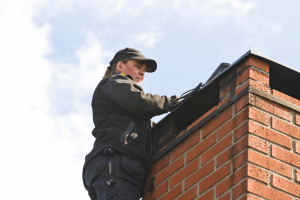
In Beverly Hills, where indoor living spaces are often used for relaxation and family time, clean air plays a big role in comfort. But when dust and debris are left unmanaged, even luxurious homes can feel less refreshing. Another overlooked factor is the chimney system. In homes with fireplaces, soot and fine particles can mix with indoor air if not properly cleaned. That is why regular maintenance like Chimney Cleaning Beverly Hills services becomes important for long-term air quality and safety.
Everyday Habits that Influence Indoor Cleanliness More than Expected
Many homeowners believe deep cleaning once in a while is enough. But in reality, daily habits play a bigger role in controlling indoor air quality. Simple routines can either reduce or increase the impact of dust and debris effects. Leaving windows closed all day can trap particles inside the home, preventing fresh air from circulating and allowing dust to accumulate more quickly. Not wiping surfaces regularly also allows thin layers of dust to grow over time, making it harder to maintain a truly clean environment. Ignoring air filters increases the circulation of dust throughout the home, as clogged filters are less effective at capturing airborne particles. Skipping vacuuming leads to hidden buildup in carpets, where dust, hair, and debris settle deep into fibers and are difficult to remove.
These small actions slowly contribute to indoor pollution causes without being immediately noticeable. In Beverly Hills, where lifestyle often includes indoor gatherings and climate-controlled spaces, these habits can have an even stronger impact since air tends to recirculate indoors for longer periods. Dust does not need much time to settle and spread again, especially in rooms with heavy fabric or carpet use. Over time, repeated exposure to dust buildup risks can make a home feel less fresh, even if it looks clean on the surface, which is why many professionals recommend combining routine cleaning with deeper maintenance practices.
How Dust Affects Hidden Areas Most People Forget
Air Ducts and Vents
Air ducts constantly move air throughout your home, and that air carries dust, pet dander, and tiny debris. Over time, these particles stick to the inner walls of ducts and accumulate in layers. Vents also collect dust on their grilles, especially if filters aren’t changed regularly. Every time the system runs, some of that trapped dust can get pushed back into your living space.
Behind Appliances
Areas behind refrigerators, washing machines, and stoves are often warm, dark, and rarely cleaned. This makes them perfect for dust buildup. Dust mixes with grease, moisture, and crumbs, forming a stubborn layer that sticks to the floor and walls behind these heavy appliances. Since they’re not moved often, the dust can sit undisturbed for months or even years.
Inside Cushions and Mattresses
Fabric materials act like filters, trapping dust deep inside fibers. Every time you sit or lie down, tiny particles from your skin, clothing, and the air get pushed into cushions and mattresses. Over time, this creates hidden dust buildup along with allergens like dust mites, which thrive in warm, soft environments.
Ceiling Corners and Light Fixtures
Dust naturally rises with warm air and settles in high, still areas like ceiling corners. These spots don’t get much airflow or frequent cleaning, so dust gathers quietly in layers. Light fixtures also attract dust due to heat and static electricity, which makes particles cling to glass, bulbs, and surrounding surfaces.
These areas often hold the highest concentration of dust and debris because they are rarely cleaned. When airflow moves through these spaces, particles can re-enter the room again and again. This cycle contributes to long-term indoor pollution causes, especially in closed environments. Even in well-maintained homes in Beverly Hills, hidden dust can build up faster than expected if deep cleaning is delayed. When dust settles in ventilation systems, it also increases dust buildup risks because every time the air system runs, it spreads particles throughout the home.
Why Long-Term Air Quality Depends on Consistent Care
Keeping indoor air clean is not about a one-time effort. It is about consistency. Homes that follow regular cleaning habits usually experience fewer issues related to dust and debris effects. In Beverly Hills, where homes are often designed for comfort and aesthetics, air quality should be treated as part of home care. Without it, even beautiful interiors can feel heavy or dull over time.
The biggest challenge is that indoor pollution causes are often invisible. People do not see them building up, so they are easy to ignore. But once symptoms appear, it usually means the buildup has already been happening for weeks or months. When homeowners understand dust buildup risks, they can take better action early, instead of waiting for visible problems.