Why Everyday Habits Matter in Creating a Safer and Healthier Home
Keeping a home safe is not just about locking doors or installing alarms. It is about small daily choices that protect the people inside and make the space healthier to live in. Many families only think about safety after something goes wrong, but the truth is, prevention always starts long before any problem appears. Whether you live in a busy city or a quiet neighborhood like West Hollywood, fire risks and indoor hazards can build up quietly over time without being noticed.
A safe home should feel calm, clean, and secure. But when small risks are ignored, even simple habits like cooking, heating, or cleaning can slowly create danger. That is why learning practical safety habits matters so much. These home safety tips are not complicated, but they can make a big difference in protecting your home and improving daily living conditions.
Essential Home Safety Tips for Reducing Everyday Fire Risks
One of the most important parts of protecting a home is understanding how fire risks start. Many fires do not begin with big accidents. They often begin with small things like unattended cooking, overloaded outlets, or blocked airflow around heating systems. In places like West Hollywood, where homes often combine modern appliances with older structures, hidden risks can be even more common.
When thinking about fire prevention in the home, the goal is to stay ahead of problems before they start. For example, keeping flammable items away from stoves and heaters may sound simple, but it is one of the most effective habits. Another helpful step is checking cords and plugs regularly for damage. Even something as small as a cracked wire can become dangerous over time.
In daily life, many people also forget how dust and buildup affect safety. This is where simple services and awareness come in. For homeowners who want extra support, learning about safer cleaning methods can help a lot. You can explore useful home care solutions through this helpful resource on safer and cleaner home maintenance. Small changes like these support long-term protection and create a safer living environment for everyone in the house.
Kitchen Habits and Heating Safety that Prevent Hidden Dangers
The kitchen is one of the most active areas in any home, and also one of the most common sources of fire. Cooking oil, open flames, and heat sources can quickly become dangerous if left unattended. In many homes in West Hollywood, busy routines often lead to distractions, especially during meal preparation.
Good home tips always start in the kitchen. Never leave cooking food unattended, even for a short time. Grease buildup on stoves should also be cleaned regularly because it can catch fire faster than expected. This is part of responsible fire prevention home care that every household should follow.
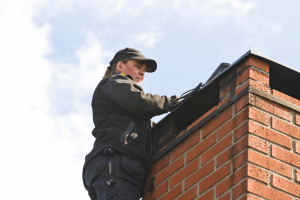
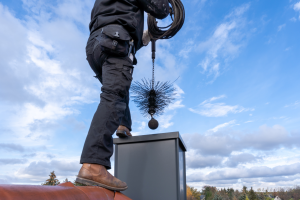
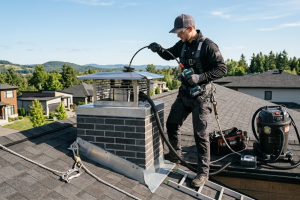
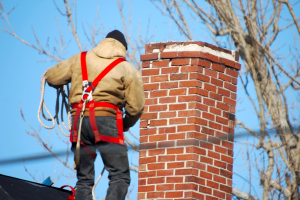
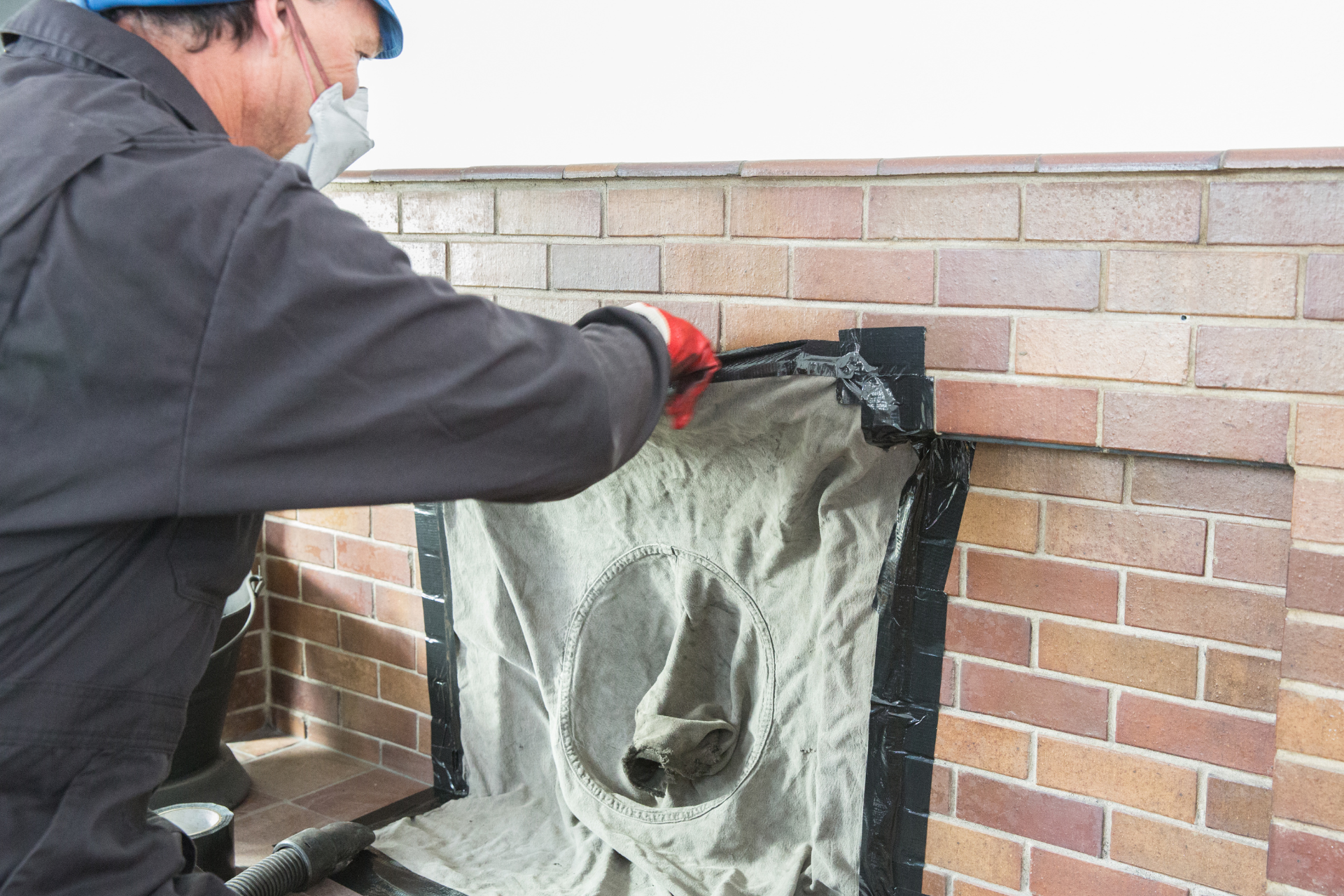
Heating systems also need attention. Many people forget that fireplaces and chimneys collect soot and debris over time. This buildup can restrict airflow and increase fire risks. In fact, professional inspections, such as Chimney Cleaning West Hollywood services, can help reduce hidden dangers that most homeowners cannot see.
If you want to understand how professional care improves safety, this guide on home chimney maintenance and cleaning solutions is a helpful place to start. It explains how proper maintenance supports a safer living environment by reducing smoke buildup and fire hazards. In West Hollywood, where many homes rely on fireplaces during cooler months, regular maintenance is especially important. Even small neglect can lead to bigger problems later. Keeping your heating system clean ensures better airflow, cleaner air, and a safer home overall.
Airflow, Dust Control, and Structural Awareness for Safer Homes
Most people think fire risks only come from flames or heat, but airflow and dust also play a big role. When dust collects in vents, ceilings, or behind furniture, it becomes fuel for fire and also reduces indoor air quality. In West Hollywood homes, where windows are often closed for air conditioning, dust buildup can happen faster than expected.
This is where consistent home safety makes a real difference. Cleaning air ducts, checking vents, and ensuring proper ventilation help reduce both fire risks and indoor pollution. A clean airflow system supports a healthier safe living environment, especially for families with children or elderly members.
Another important habit is regularly checking hidden areas of the home where problems can slowly develop without being seen. This includes spaces behind appliances where heat may build up, inside ceiling corners where dust naturally collects, around electrical panels that may overheat, and inside vents where airflow can become blocked over time. Although these checks may seem small or easy to overlook, they play a major role in preventing long-term damage and reducing the risk of fire starting unnoticed, helping keep the home safer and more efficient overall.
People often underestimate how much dust affects safety. In reality, dust can act like fuel when exposed to heat. That is why consistent cleaning routines are part of strong fire prevention home practices. In West Hollywood, where modern living spaces often mix fabrics, carpets, and electronics, this becomes even more important.
Daily Habits that Quietly Protect Your Home and Family
Safety does not come from one big action. It comes from daily habits that slowly build protection over time. Many families in West Hollywood follow simple routines that keep their homes safer without extra effort. Good home safety tips often include small actions like checking the stove before leaving the kitchen or making sure candles are fully blown out before sleeping. These habits take seconds but help prevent major risks. Even choosing an eco-friendly cleaning solution when wiping surfaces can support a healthier indoor environment by reducing exposure to harsh chemicals while keeping the home clean and safe.
Opening Windows for Fresh Airflow each Morning
Opening windows each morning helps replace stale indoor air with fresh outdoor air. Overnight, carbon dioxide, dust particles, and indoor odors build up inside closed rooms. Without ventilation, this can make the air feel heavy and can even trigger allergies or headaches. Fresh airflow also helps reduce moisture buildup, which is important because excess humidity can lead to mold growth in hidden areas like walls, curtains, and corners. Even just 10–15 minutes of natural ventilation daily can significantly improve indoor air quality and create a healthier environment for everyone in the home.
Wiping Kitchen Surfaces After Cooking
The kitchen is one of the busiest and most “risk-prone” areas in any home. After cooking, surfaces often have grease, food particles, and moisture left behind. If not cleaned immediately, these residues can attract insects, cause unpleasant odors, and even increase fire risk when grease builds up near heat sources. Wiping surfaces right after cooking also prevents bacteria from spreading, especially on countertops where raw and cooked foods are prepared. This simple habit keeps the kitchen hygienic, reduces long-term buildup, and makes deep cleaning much easier later on.
Checking Electrical Devices Before Bed
Before going to sleep, quickly checking electrical devices helps prevent fire hazards and energy waste. Appliances like chargers, heaters, irons, and kitchen equipment can overheat or malfunction if left plugged in for too long. This habit ensures that devices are safely turned off or unplugged, reducing the risk of electrical fires while the household is asleep and unattended. It also helps extend the lifespan of your appliances and lowers unnecessary electricity consumption, making it both a safety and cost-saving routine.
Keeping Walkways Clear of Clutter
Clear walkways are essential for preventing accidents inside the home. Items like shoes, toys, boxes, or loose cables can easily cause trips and falls, especially in low-light conditions or during emergencies when movement needs to be quick. Keeping pathways open ensures safe movement for everyone, including children and older adults. It also improves overall organization, making the home feel more spacious and less stressful. In emergencies, such as fire or power outages, clear exits can make a critical difference in safety.
Building Long-Term Safety Awareness for a Stronger Home
True home safety is not a one-time effort. It is a lifestyle that grows with awareness and care. When people practice home safety tips regularly, they naturally create stronger protection for their home without stress or extra cost. In West Hollywood, where homes range from modern apartments to older structures, safety needs can vary. But the goal remains the same: reduce risk, improve comfort, and maintain a stable, safe living environment.
Fire prevention is not only about reacting to danger. It is about staying prepared every day. Whether it is checking appliances, cleaning hidden spaces, or maintaining heating systems, every small step matters. Even simple awareness of fire prevention home practices can prevent serious accidents.
Over time, these habits become part of daily life. You stop thinking of them as tasks and start seeing them as natural routines. That is when a home truly becomes safer, healthier, and more comfortable for everyone inside. By staying consistent and aware, any household can reduce risks and enjoy peace of mind. Safety is not about fear; it is about confidence in the space you live in every day.