
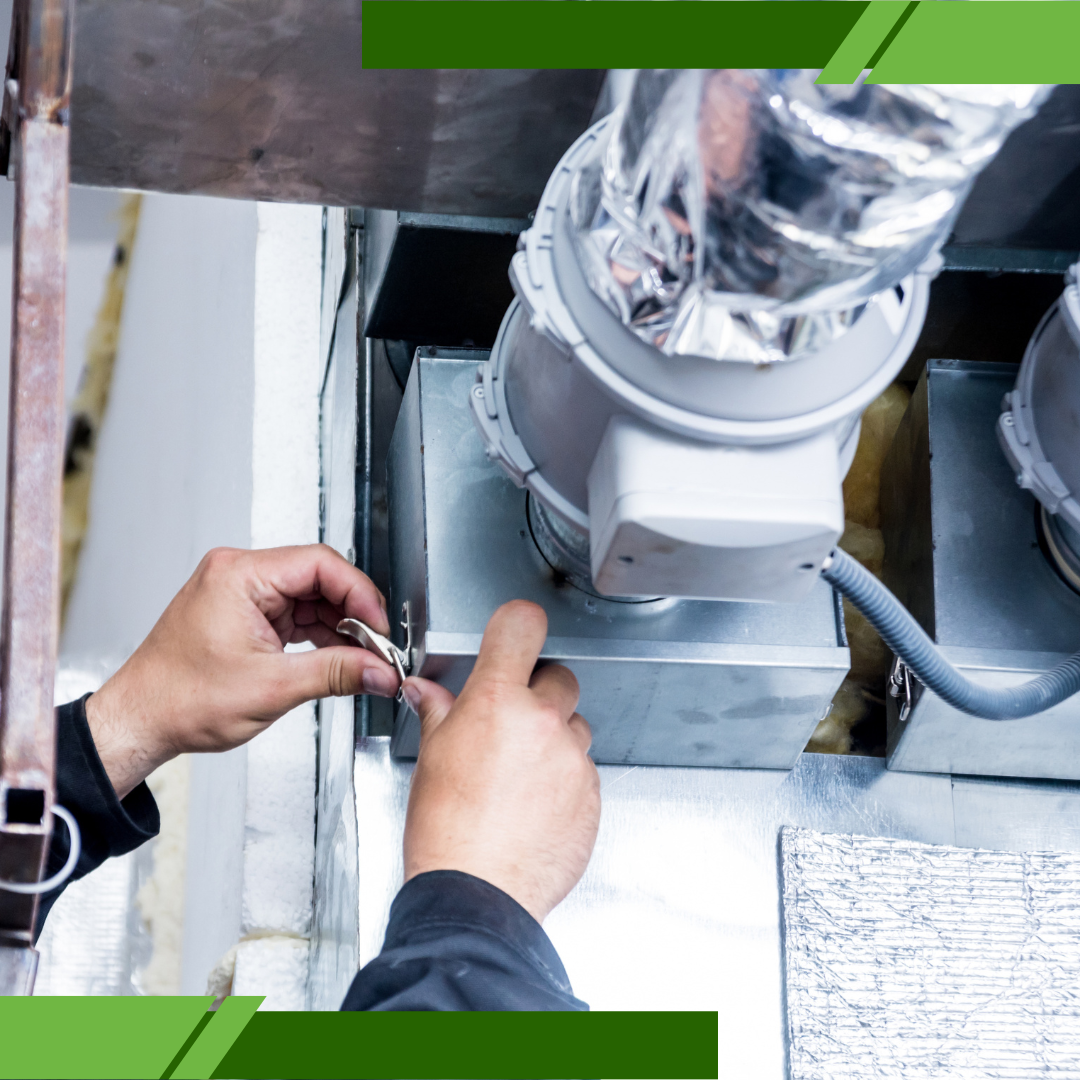
Why Small Dryer Problems Could Be Warning Signs Of A Bigger Exhaust Issue
Most homeowners do not think about their dryer vent or home exhaust system until something feels wrong. Clothes take too long to dry. The laundry room feels hotter than usual. A burning smell shows up and then fades. At first, these issues seem small. Many people brush them off and move on with their day. But these can point to bigger trouble inside the vent line.
A clogged exhaust system does more than make laundry harder. It can waste energy, stress your dryer, and create real risk inside your home. When warm, damp air cannot move out the way it should, lint and debris build up over time. That buildup blocks the path air needs to travel. As a result, your dryer has to work much harder than normal.
If you live in Westlake Village, staying ahead of vent problems is especially important because regular home upkeep helps protect both comfort and safety. A blocked vent does not always cause a sudden breakdown. Often, it gives small clues first. The key is learning how to spot them before they turn into expensive repairs or dangerous problems.
One of the best ways to avoid those issues is by learning from atrusted home service resource that helps homeowners understand proper maintenance. When you know what to look for, it becomes much easier to act early and protect your home.
Clogged Exhaust System Signs You Should Never Ignore
The most common problem starts with drying time. If your clothes need two or three cycles to get fully dry, your dryer may not be the problem. The vent behind it may be packed with lint, dust, or even outdoor debris near the exit point. This is one of the most common clogged exhaust system signs homeowners notice first.
Another clue is heat. Your dryer should feel warm during use, but it should not turn the laundry room into a hot box. When air cannot escape, heat gets trapped. That trapped heat builds pressure inside the appliance and around it. Over time, this can wear out parts faster and make the system less efficient.
You may also notice these warning clues:
- Clothes feel hotter than normal when the cycle ends
- Towels and jeans stay damp after one full cycle
- The outside vent flap does not open well
- The dryer shuts off before the load is done
- There is a musty smell on freshly dried laundry
- Lint seems to collect faster than usual around the dryer
These are not random problems. They are often clear airflow restriction symptoms that tell you the vent line is not doing its job.
Listen to the sounds your dryer makes too. A clogged system can cause strange humming, rattling, or harder running sounds. Some dryers may sound like they are straining. Others may stop and restart because the unit is overheating. These changes matter because your dryer is trying to tell you something is off.
Homeowners often ask whether smell matters. Yes, it does. A burning odor during a drying cycle should never be ignored. That smell may come from lint getting too hot. Since lint is highly flammable, this is one of the most serious appliance warning signs you can notice in a home laundry area.
The outside vent opening can also reveal a lot. Step outside while the dryer is running and check the vent cover. It should open freely and release warm air with steady force. If little air is coming out, or if the flap barely moves, that usually points to a blockage somewhere in the line.
If you want help from a local page focused onexpert dryer vent solutions, it can be useful to compare what you are seeing at home with the services offered for Dryer Vent Cleaning Westlake Village. A professional cleaning can remove hidden lint and restore better airflow before major trouble begins.
A clogged vent can also affect how your clothes feel and smell. Instead of coming out fresh and dry, they may feel stiff, extra hot, or still a little wet around thicker seams. Many families in Westlake Village notice this pattern long before they realize the vent is the real issue.
When you see these clogged exhaust system signs, do not wait for the dryer to stop working completely. By then, the blockage may already be severe.
Why A Blocked Exhaust System Quietly Raises Risks Over Time
It helps to picture your vent system like a hallway. Warm air from the dryer should move down that hallway and out of the house. But when lint piles up, the hallway gets smaller and smaller. At some point, air struggles to pass through. Then the dryer keeps running longer, using more electricity or gas, while the laundry still takes too long.
- Higher energy bills
Longer dry cycles mean more power used for every load.
- Faster wear on the dryer
The motor, heating element, and sensors work harder than they should.
- More indoor heat and moisture
Poor venting can leave your laundry room warm, damp, and uncomfortable.
- Greater chance of breakdowns
Parts fail sooner when the machine runs under stress for months.
- Increased fire risk
Lint buildup mixed with trapped heat can become dangerous.
That last point is the one homeowners should take most seriously. Among all possible safety concerns, fire danger is the biggest reason to act quickly. Lint may look soft and harmless, but it burns very easily. When it gathers in a vent line and hot air cannot escape, the conditions become much more risky.
Some people think a little lint in the lint trap is the main issue. It is not. The lint trap catches only part of the debris. Fine lint still slips through and enters the exhaust duct. Over weeks and months, it sticks to the inside walls of the vent. The buildup can become thick enough to slow the airflow in a big way.
This is why homeowners should not focus only on the machine itself. The hidden vent line matters just as much. You may clean the lint screen after every load and still have a serious blockage deeper in the system.
There are also seasonal factors to think about. During windy days, birds, leaves, and outdoor dirt can affect the vent opening. In some homes, long vent runs or too many bends also make it easier for lint to collect. Homes in Westlake Village can benefit from routine checks because these smaller issues tend to build up quietly.
Hidden Early Warning Clues Most Homeowners Overlook
The trouble with a clogged exhaust system is that the signs often start small. Nothing feels like an emergency in the beginning. The dryer still turns on. It still gets warm. It still dries some items. But it is no longer working the way it should.
Here are a few easy-to-miss clues:
- You need to separate heavy and light clothes more often
- Drying one normal load suddenly takes much longer
- Your laundry room windows fog up during a cycle
- The dryer feels unusually hot on the top or sides
- You find more lint on clothing after drying
- The room smells stale even after clean laundry
Think of these as early appliance warning signs. They may seem minor, but they often show that the system is under stress.
Another issue is moisture. A healthy dryer vent moves warm, wet air out of the house. If that air gets trapped, moisture has nowhere to go. This can leave the space around your laundry area damp. In some homes, that extra moisture may even lead to a stale smell on walls, baseboards, or nearby stored items.
Some homeowners also notice the difference in how their dryer behaves from one load to the next. A smaller load may dry fine, but a full load takes forever. That inconsistency can be a clue. It often means the airflow is weak and can no longer handle normal use.
Children and pets may notice the room feels hotter before adults do. Since families use laundry areas often, it is worth paying attention to these comfort changes. They are more than annoyances. They can be early airflow restriction symptoms that deserve a closer look.
Simple Checks Homeowners Can Do Before Calling A Pro
You do not need special tools to spot many vent issues. A few simple checks can help you see whether the problem may be in the exhaust line.
Start with the lint screen:
- Remove it and clean it fully
- Check for a film from dryer sheets or softener residue
- Make sure air can pass through it easily
Then look behind the dryer:
- See if the vent hose is crushed or bent
- Check for loose connections
- Make sure the dryer is not pushed too tightly against the wall
Next, check the outdoor vent cover:
- Run the dryer
- Go outside
- Look to see if the flap opens
- Feel whether warm air is coming out strongly
If the air feels weak, or the flap barely moves, there may be a clog somewhere inside the line.
It is also smart to notice how long a normal load takes. A basic load of everyday clothes should not need multiple full cycles. If dry time keeps getting worse, that pattern should not be ignored.
That said, not all blockages can be seen from the outside. Some build up deep inside the duct. Others get trapped at bends or long stretches of venting. When simple checks do not solve the issue, a deeper cleaning is often the next step.
How Professional Vent Cleaning Restores Performance And Safety
Many homeowners can clean around the dryer and remove visible lint, but deep vent cleaning is different. A professional service is designed to clear the full path from the back of the dryer to the outside exit. That matters because hidden buildup is usually the real cause of recurring problems.
Professional cleaning can help with:
- Better drying performance
- Lower energy use
- Reduced heat buildup
- Less wear on the appliance
- A cleaner, safer laundry space
It also gives peace of mind. Instead of guessing whether the vent is partly blocked, you get a clearer answer and a cleaner system.
For busy homeowners in Westlake Village, this kind of maintenance can save both time and money over the long term. Fewer repeat cycles mean less frustration on laundry day. A healthier vent line also helps your dryer last longer.
Some people wait until the dryer stops working. That is usually the most expensive moment to act. It is much better to respond when the clues are still small and manageable.
How Often Should You Check Your Dryer Vent System
A good habit is to stay alert every time you do laundry. You do not need to inspect the whole system every week, but you should notice changes in performance. Your dryer tends to tell the story little by little.
A simple rhythm can help:
- Clean the lint trap after every load
- Check drying time often
- Look at the outside vent flap once in a while
- Notice any burning smell right away
- Schedule deeper cleaning as needed
Homes with larger families may need more frequent attention because more laundry means more lint moving through the system. Homes with pets may also deal with added buildup from hair and fabric fibers.
If you use your dryer often, make vent care part of normal home maintenance rather than something you only think about during a problem.
Take Action Early Before Small Signs Turn Into Big Repairs
The best time to act is when the clues first appear. If clothes are taking longer to dry, the room feels too hot, or the outside vent seems weak, do not treat it like a passing issue. Those are often clogged exhaust system signs that point to a bigger blockage forming inside the system.
A dryer that runs with poor airflow does not just become less convenient. It becomes less efficient, more expensive to operate, and more likely to create avoidable problems. The good news is that these issues are often preventable with attention and timely cleaning.
For homeowners who want a safer and smoother laundry routine, watching for changes is the first step. Notice the heat. Notice the smells. Notice the drying time. Those details matter more than most people think.
When you stay alert to clogged exhaust system signs, you protect your dryer, your energy bill, and your home. That is a smart move for any household, especially for families in Westlake Village who want simple, reliable home care that works before small trouble turns into a major repair.