Knowing when to clean air ducts is essential for maintaining efficient HVAC systems, especially in areas like Tarzana, where systems run frequently. Many property owners overlook duct maintenance until problems appear, but waiting too long can reduce airflow and increase system strain. Regular cleaning helps maintain comfort, improve efficiency, and prevent costly repairs. Understanding cleaning air ducts allows homeowners and businesses in Tarzana to keep their systems running smoothly while supporting a cleaner and more consistent indoor environment.
When to Clean Air Ducts Based on Warning Signs
Key Indicators Property Owners Should Watch
- Visible dust or debris coming out of vents during system operation, which signals internal buildup that may already be restricting airflow
- Musty or unpleasant odors when the HVAC system is running, often caused by accumulated dust or moisture inside ductwork
- Uneven airflow across rooms, where some areas feel warmer or cooler than others due to blockages
- Increased allergy symptoms indoors, which may indicate circulating particles trapped in the ducts
- Recent construction or renovation in Tarzana properties, which can introduce debris and contaminants into the system
Recognizing these warning signs helps determine when to clean air ducts before problems become severe. An air duct inspection is often the first step in confirming whether buildup is affecting performance. Property owners who act early can prevent airflow issues from escalating into costly repairs. Addressing these concerns ensures that HVAC systems operate efficiently while maintaining consistent indoor comfort.
How Air Ducts Affect System Efficiency
Understanding when to clean air ducts directly impacts how well an HVAC system performs over time. As dust and debris accumulate inside ductwork, airflow becomes restricted, forcing the system to work harder to circulate air. This increased workload leads to higher energy consumption and places additional strain on essential components such as fans and motors. In Tarzana, where HVAC systems often run for extended periods, this strain can quickly increase operational costs.
Clean ducts allow air to flow freely throughout the building, improving temperature consistency and reducing pressure on the system. Following a structured air duct cleaning schedule helps maintain proper airflow and ensures the system operates at peak efficiency. Property owners who stay proactive can reduce wear on equipment, minimize breakdown risks, and extend the lifespan of their HVAC systems. Taking action at the right time leads to better performance and long-term savings.
Tools Used in Professional Duct Cleaning
Essential Equipment for Effective Cleaning
- High-powered vacuum systems designed to remove deep-seated dust and debris from duct interiors without releasing particles into indoor spaces
- Rotary brushes that break apart stubborn buildup attached to duct surfaces, ensuring a thorough cleaning process
- Air whips that use compressed air to dislodge contaminants from hard-to-reach areas within the duct system
- Inspection cameras that provide clear visuals of duct conditions before and after cleaning, helping technicians assess effectiveness
- HEPA filtration systems that capture fine airborne particles during the cleaning process to maintain indoor air quality
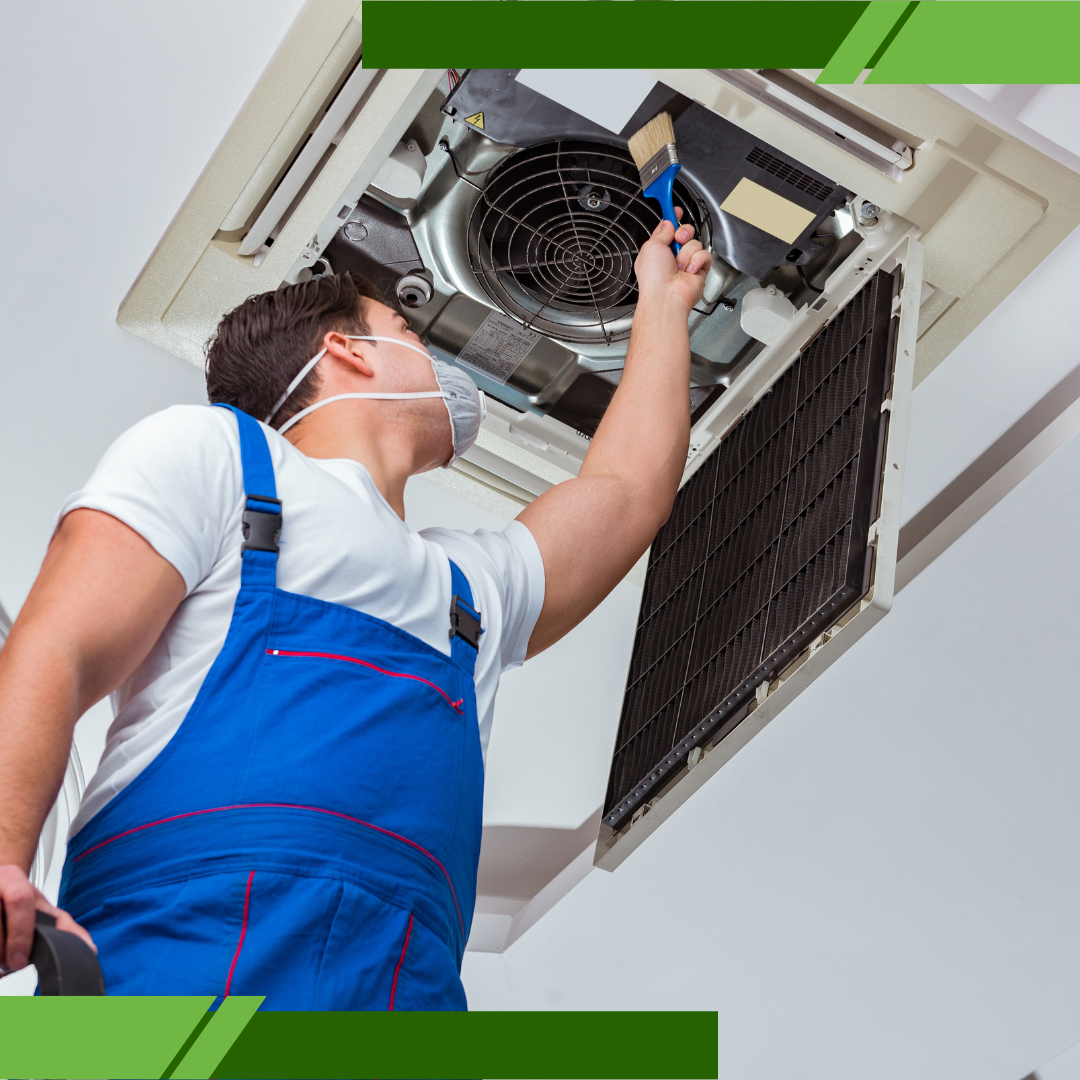
Professional duct cleaning relies on these advanced tools to deliver effective results. In Tarzana, technicians use specialized equipment to ensure contaminants are removed safely and thoroughly. This process restores airflow and improves system performance without causing damage to duct components. Using the right tools ensures a deeper clean compared to basic maintenance methods.
Benefits of Cleaning Air Ducts at the Right Time
Knowing cleaning air ducts provides significant benefits for both residential and commercial properties. Clean duct systems allow air to circulate more freely, improving airflow and reducing the strain placed on HVAC equipment. This leads to better energy efficiency and more consistent indoor temperatures, especially in high-demand areas like Tarzana.
Property owners who understand how often to clean air ducts often experience fewer maintenance issues and improved overall comfort. Cleaner ducts help reduce dust circulation and contribute to a healthier indoor environment. Over time, these benefits translate into lower repair costs and more reliable HVAC performance. Choosing services like Air Duct Cleaning Tarzana ensures that systems are maintained properly and cleaned at the right time for maximum efficiency
Maintenance Tips to Keep Duct Systems Efficient
Practical Steps for Long-Term Care
- Schedule routine inspections to monitor duct conditions and identify potential issues early
- Replace air filters regularly to prevent dust buildup from entering the duct system
- Keep vents clean and unobstructed to ensure proper airflow throughout the building
- Address moisture issues promptly to prevent mold growth inside ductwork
- Work with experienced professionals for ongoing HVAC maintenance and cleaning
Following these maintenance practices helps property owners in Tarzana maintain efficient HVAC systems. Preventive care ensures that cleaning is performed at the right time rather than too early or too late. Consistent upkeep reduces the likelihood of system breakdowns and improves overall performance. Staying proactive helps extend the lifespan of HVAC systems while maintaining indoor comfort.
Common Questions About When to Clean Air Ducts
How do I know when ducts need cleaning?
Look for visible dust, odors, uneven airflow, and increased allergy symptoms as common indicators
How often should air ducts be cleaned?
Most systems require cleaning every three to five years, depending on usage and conditions
Can duct cleaning improve efficiency?
Yes, removing debris allows air to flow freely, which reduces strain on the system
Is professional cleaning recommended?
Yes, professionals use proper tools and techniques to ensure safe and effective cleaning
Can dirty ducts increase energy costs?
Yes, restricted airflow forces HVAC systems to consume more energy to maintain temperatures