A Dryer That Runs Too Long Is A Sign Something Is Wrong
Laundry should not take all day. You wash your clothes, move them to the dryer, and expect them to come out warm and dry in one cycle. But when the dryer keeps running and your clothes still feel damp, it quickly becomes frustrating. It also wastes time, energy, and money.
Many homeowners think the dryer itself is broken. Sometimes that is true, but very often the real issue is hidden in the vent system. Lint buildup, poor airflow, or a blocked vent can all make drying times much longer than normal. If you live in Calabasas, this is something worth checking right away before the problem gets worse.
A good place to start is learning from a trustedcleaning service team that understands how buildup inside the home can affect comfort, efficiency, and safety. Dryer issues usually begin slowly, so most people do not notice the warning signs until one load starts taking two or three cycles.
Why Dryer Takes Too Long In The First Place
When dryer takes too long, it usually means air is not moving through the system the way it should. A dryer does not just use heat. It also needs strong airflow. The machine pulls in air, heats it, tumbles the clothes, and then pushes the hot, wet air out through the vent.
If that air cannot escape, the moisture stays trapped. Clothes may feel hot, but they will not dry fully. This is one of the biggest reasons homeowners deal with slow drying problems.
The dryer can still look like it is working fine. The drum spins. The heat turns on. The timer moves. But if the vent is clogged or the airflow is weak, the dryer needs much longer to do the same job.
Common Signs Your Dryer Has A Vent Or Airflow Problem
A slow dryer usually gives clear warning signs before it becomes a serious issue. Watch for these problems around your home:
- Clothes are still damp after one full cycle
- Towels need two or more cycles to dry
- The dryer feels too hot on the outside
- The laundry room gets warm and humid
- You smell something hot or dusty
- Lint appears around the dryer area
- The outside vent flap does not open well
These signs often point to airflow restriction issues that stop moist air from leaving the machine. When the vent path is blocked, the dryer cannot perform the way it should.
Start With The Lint Screen First
The first thing to check is the lint screen. It is simple, but it matters more than many people think. Clean it after every load. Even if it looks clear, it may still have a thin layer of dryer sheet residue or fabric softener buildup that blocks airflow.
Wash the screen once in a while with warm water and mild soap. Let it dry fully before putting it back. A clean lint screen helps air move better and supports faster drying.
Still, the lint screen is only the first step. A lot of lint gets past the screen over time. That lint travels into the vent line, where it sticks to the sides and slowly narrows the air path.
Check The Vent Hose Behind The Dryer
Pull the dryer away from the wall carefully and look at the vent hose behind it. This is one of the most common places where trouble begins. If the hose is bent, crushed, torn, or packed with lint, the dryer will have a hard time pushing air through.
Look for:
- Sharp bends in the hose
- Crushed sections behind the machine
- Loose connections
- Lint buildup around the ends
A damaged or blocked hose can lead to poor performance and even safety concerns. In many homes, this one area is the hidden cause behind long drying times.
Go Outside And Check The Exterior Vent
Now step outside and find the vent opening. Turn the dryer on and see what happens at the outside flap. It should open fully and release a strong stream of warm air.
If the flap barely moves, or if only weak air comes out, there may be lint trapped inside the vent line. You might also see dust or debris around the opening. Birds, leaves, and dirt can also add to the blockage.
This simple test can tell you a lot. If outside airflow is weak, your dryer is working harder than it should.
Overloading The Dryer Makes Drying Take Longer
Not every long cycle is caused by a mechanical problem. Sometimes the load itself is the issue. When the dryer is packed too full, warm air cannot move around the fabrics properly. Thick items like comforters, bath towels, rugs, and blankets hold a lot of moisture and need more room to dry.
To help your dryer work better:
- Dry similar fabrics together
- Avoid stuffing the drum too full
- Shake out heavy items before drying
- Separate very thick pieces from normal clothing
These small habits can improve drying time and reduce stress on the machine.
The Vent Line May Be The Real Problem
If your lint screen is clean and the dryer still struggles, the vent line is the next thing to inspect. This is often the real source of slow drying problems. The longer the vent line is, and the more turns it has, the easier it is for lint to build up inside.
Think of the vent like a hallway. If the hallway is clear, air can move fast and easily. If boxes are stacked all along the path, movement slows down. That is what happens when lint builds inside a dryer vent.
This is why so many homeowners in Calabasas end up needing professional vent service without realizing it at first. The machine seems fine, but the path that air needs is partly blocked.
Airflow Restriction Issues Can Increase Safety Risks
Poor performance is one problem. Safety is another. Airflow restriction issues do not just make laundry take longer. They also trap heat inside the system. That extra heat can wear down the dryer and increase fire risk because lint is very flammable.
Here are a few warning signs that should never be ignored:
- A burning smell during drying
- The dryer feels too hot to touch
- Clothes come out hotter than normal
- The room becomes very hot during the cycle
- The vent has not been cleaned in a long time
If you notice these signs, it is smart to stop guessing and inspect the system more closely.
Older Vent Materials Can Make The Problem Worse
The type of vent behind your dryer also matters. Older homes sometimes have thin foil or flexible plastic-style vent tubing. These materials sag easily and catch lint much faster than rigid metal ducts.
Rigid metal venting is usually the better option because it gives air a smoother path. If your vent is old, damaged, or made from weak material, it may be making the dryer work much harder than necessary. This can lead to appliance inefficiency, higher energy bills, and more wear on the dryer over time.
How To Tell If It Is The Dryer Or The Vent
Many people ask the same question: is the dryer broken, or is the vent clogged?
If the dryer gets hot but clothes stay damp
: The vent or airflow path is often the problem.
If the dryer runs but produces little or no heat
: The machine may have an internal part that needs repair.
If drying time keeps getting worse little by little
: The vent system is often the first thing to check.
This does not mean the machine can never be the issue. But in many cases, the real problem is outside the dryer, not inside it.
Why Calabasas Homeowners Should Pay Attention Early
In Calabasas, regular home dust, outdoor debris, and normal lint buildup can all add up inside a vent system. Many families use their dryers several times each week, which means lint can collect faster than expected.
That is why homeowners in Calabasas should not ignore a dryer that starts taking longer than usual. What begins as a small performance issue can turn into a larger repair or safety problem later. The sooner you catch it, the easier it is to fix.
Many people adjust without realizing it. They run loads twice. They separate towels from everything else. They hang damp clothes on chairs to finish drying. But none of that should be normal if the system is working well.
When Professional Dryer Vent Cleaning Makes Sense
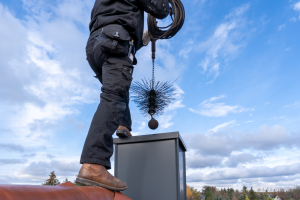
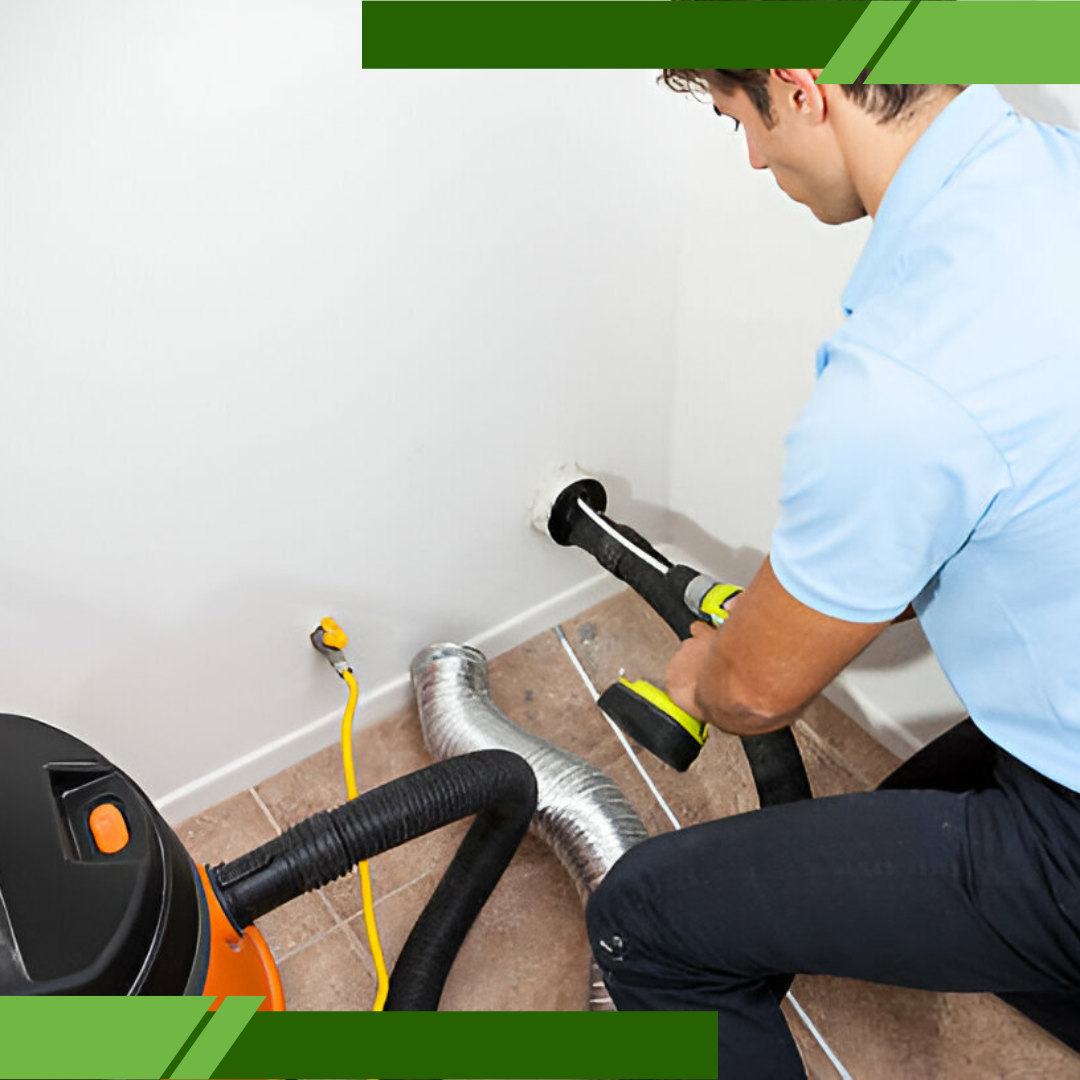
If you have checked the lint screen, the load size, the vent hose, and the outside flap, but the problem continues, it may be time for professional help. A full vent cleaning can remove lint and debris deep inside the line where normal home cleaning cannot reach.
This is often the best next step when dryer takes too long and the cause is not obvious from the outside. A proper cleaning helps restore airflow, improve performance, and reduce safety risks.
If you are dealing with repeated drying delays, weak outside airflow, or a hot laundry room, it may be time to look intoDryer Vent Cleaning Calabasas to address the root cause before the problem gets worse.
Simple Habits That Help Prevent Future Problems
The good news is that many dryer issues can be prevented with a few easy habits. These steps help your dryer run better and reduce buildup over time:
- Clean the lint screen after every load
- Do not overload the dryer
- Check the outside vent flap often
- Keep the area behind the dryer clean
- Watch for longer drying times
- Schedule vent cleaning when performance drops
These habits are easy, but they make a real difference. A dryer depends on steady airflow. When that airflow stays strong, clothes dry faster and the machine does not have to work as hard.
The Bottom Line On A Dryer That Takes Too Long
When dryer takes too long, do not assume the appliance is done for. In many homes, the issue is not the machine itself. It is the vent, the hose, the lint buildup, or poor airflow somewhere along the path.
Start with the basics. Check the lint screen. Inspect the vent hose. Test the airflow outside. Notice whether the laundry room feels too hot or humid. These clues can help you figure out what is wrong before it turns into a bigger problem.
For homeowners in Calabasas, staying ahead of vent buildup is one of the smartest ways to protect the dryer, lower stress, and improve safety. If your clothes keep coming out damp and your dryer keeps running longer than it should, now is the right time to check the full system and fix the real cause.