Smart Home Ventilation for Better Airflow and Daily Comfort
A few years ago, a family living in Redondo Beach noticed something strange. Even after cleaning every day, their home still felt stuffy. The air was heavy, and there was a slight smell that never seemed to go away. They thought it was just part of living near the coast, but the real problem was poor airflow. Once they made a few small changes, everything improved. Their home felt lighter, fresher, and more relaxing.
This is why learning simple home ventilation tips can make a big difference. Good airflow is not just about comfort. It also helps protect your home, your health, and even your energy bills. When air moves freely, it carries away moisture, odors, and indoor pollutants.
Why Airflow Matters More Than You Think
Air inside your home can become trapped without proper movement, leading to dust buildup, increased humidity, and even mold growth. In places like Redondo Beach, where the air can be more humid, maintaining proper airflow becomes even more important. Good airflow helps remove stale air and replace it with fresh air, reduces moisture that can damage walls and ceilings, helps control indoor temperature, and supports better breathing and overall health. Many homeowners focus on cleaning floors and surfaces but forget about the air itself. That’s where indoor comfort ideas come into play. Clean air is just as important as a clean home.
Simple Daily Habits That Improve Airflow
Good airflow does not always require expensive tools or systems, as many improvements can start with simple daily habits. You can improve air movement at home by opening windows for at least 10 to 15 minutes each day, using fans to help push air across rooms, keeping doors slightly open to allow better circulation, and making sure vents are not blocked by furniture or curtains.
These small steps support steady airflow improvement without adding extra cost, while also working well alongside practices like non-toxic cleaning to keep your indoor environment healthier and safer. Think of your home like a living space that needs to breathe. When air moves properly, everything feels lighter and more comfortable. A homeowner in Redondo Beach once shared how simply rearranging furniture helped cool their living room. Their sofa was blocking a vent, and once it was moved, the airflow improved instantly.
The Role of Exhaust Systems and Chimneys
Ventilation is not just about letting fresh air in. It is also about letting the used air out. This is where exhaust systems and chimneys play a key role. Kitchens and bathrooms are the most common areas where air gets trapped. Cooking smoke, steam, and odors need a clear path to escape.
Kitchen Exhaust Fans
Kitchen exhaust fans help remove smoke, heat, grease particles, and cooking odors that build up while preparing food. Without proper ventilation, these airborne particles can stick to walls, ceilings, and furniture, making the kitchen feel sticky and uncomfortable. By pulling out contaminated air and replacing it with fresher air, kitchen exhaust fans also help reduce indoor humidity and improve overall airflow throughout the home.
Bathroom Ventilation Fans
Bathroom ventilation fans are designed to control moisture and prevent humidity buildup after showers or baths. Bathrooms naturally trap steam, which can lead to mold growth, peeling paint, and unpleasant odors if not properly ventilated. These fans quickly extract damp air, helping surfaces dry faster and keeping the bathroom fresh. Over time, they also protect structural materials from water damage caused by constant moisture exposure.
Chimneys for Fireplaces
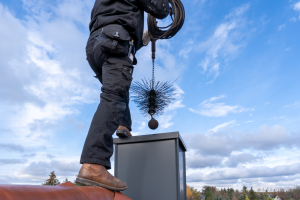
Chimneys serve as vertical exhaust pathways for smoke, gases, and combustion byproducts produced by fireplaces. Their main role is to safely direct harmful fumes out of the home while allowing fresh air to circulate into the space. A properly functioning chimney also helps maintain good airflow in the room by creating a natural draft, which supports efficient burning and prevents smoke from entering indoor living areas.
Range Hoods Above Stoves
Range hoods are installed above cooking stoves to capture airborne grease, steam, heat, and strong cooking odors right at the source. They improve indoor air quality by pulling contaminated air upward and venting it outside or filtering it before recirculation. This helps keep the kitchen cooler, reduces residue buildup on surfaces, and supports better overall ventilation while cooking.
Regular maintenance supports better airflow improvement and prevents buildup that blocks air movement.
Signs Your Home Needs Better Ventilation
Sometimes, the signs of poor airflow are easy to miss because people gradually get used to them without realizing there is a problem. You may notice rooms feeling warm or stuffy even when the windows are open, or lingering odors that do not seem to go away. Other common warning signs include moisture forming on windows or walls, dust building up even shortly after cleaning, and uneven temperatures between different rooms in the house. These are clear signals that your home needs better airflow. Applying effective home ventilation tips can help address these issues before they develop into more serious concerns like mold growth or structural damage. In some cases, getting professional help, such as Chimney Cleaning Redondo Beach, can also make a difference, especially when chimney buildup or blocked ventilation pathways are affecting indoor air movement.
Home Ventilation Tips for Easy Upgrades That Make a Big Difference
If daily habits are not enough to improve airflow, you can consider simple home upgrades that do not have to be expensive or complicated. Installing ceiling fans can help improve air circulation throughout the rooms, while adding window vents allows for more controlled and consistent airflow. Using air purifiers also supports cleaner indoor air by reducing dust, allergens, and other pollutants. Upgrading old exhaust fans to newer, more efficient models can further enhance ventilation in key areas like the kitchen and bathroom. You can also improve natural airflow by creating cross-ventilation, which involves opening windows on opposite sides of your home so air can move freely through the space. These small but effective upgrades support long-term indoor comfort ideas while helping your home feel fresher and more comfortable every day.
How Clean Spaces Support Better Airflow
Ventilation and cleaning go hand in hand because dust, dirt, and debris can easily block vents and reduce overall airflow in your home. Regular cleaning helps maintain proper ventilation by keeping vents and air ducts free from buildup, removing dust from fans and filters, and ensuring floors and surfaces stay clean so air can circulate properly. It is also important to check hidden corners where dirt often gets trapped, as these areas can quietly affect indoor air quality over time. A clean home allows air to move more freely and efficiently, which is especially important in coastal areas like Redondo Beach, where humidity can speed up dirt and moisture buildup. Combining consistent cleaning routines with effective home ventilation tips helps ensure your home remains both fresh and safe.