Why Indoor Air Quality Matters More Than You Think and How Simple Ventilation Can Help
Most people think pollution only exists outside, but the truth is, the air inside your home can sometimes be even more polluted. You may not see it, but every breath you take indoors can carry dust, smoke particles, cooking fumes, and even moisture that slowly builds up over time. In busy homes, where daily life includes cooking, cleaning, and constant movement, the air can change without anyone noticing. This is where awareness really matters, especially when small issues turn into bigger air quality problems if left unchecked.
One helpful way to reduce buildup indoors is by learning simple home ventilation tips that make a big difference. Even opening windows for a short time in the morning or using exhaust fans properly can help fresh air move through your home. Many families overlook these simple habits, thinking air issues only happen in older houses. But even modern homes can suffer from hidden airflow problems.
What Causes Poor Indoor Air Quality Inside Everyday Homes
Most homeowners don’t realize how quickly poor indoor air can build up. It usually starts small. A little dust here, cooking smoke there, or maybe a damp corner in the bathroom. Over time, these things mix together and create air that feels heavy or smells “stale.”
In areas like Playa Vista, where homes are often tightly sealed for energy efficiency, fresh air does not always move freely. That trapped air can make poor indoor air quality worse without proper care.
Dust Buildup in Carpets, Furniture, and Vents
Dust naturally accumulates in soft surfaces like carpets and upholstery, as well as in air vents. Over time, these particles get stirred up every time you walk, sit, or turn on airflow systems, reducing overall indoor air quality.
Cooking Fumes from Frying or Grilling Indoors
Cooking, especially frying or grilling, releases smoke, grease particles, and strong odors into the air. Without proper ventilation, these particles linger and circulate throughout the home, making the air feel heavy and less fresh.
Mold Growth from Hidden Moisture
Moist areas such as bathrooms, kitchens, or poorly ventilated corners can develop mold without being immediately visible. Mold releases spores into the air, which can affect breathing comfort and trigger allergies.
Pet Dander Floating in Closed Rooms
Pets naturally shed tiny skin flakes called dander, which easily spread through indoor air. In closed or poorly ventilated spaces, these particles build up and can contribute to irritation or allergy symptoms.
Cleaning Chemicals that Release Strong Fumes
Some cleaning products release strong chemical vapors that stay in the air after use. Without proper ventilation, these fumes can linger and affect indoor air freshness and comfort.
Poor Airflow Due to Closed Windows and Blocked Vents
When windows stay closed and vents are blocked, air cannot circulate properly. This traps pollutants inside the home, allowing dust and odors to accumulate instead of being replaced with fresh air.
These factors slowly create air quality problems that affect comfort, sleep, and even energy levels during the day. A simple way to start fixing this is by following smart home ventilation tips, such as opening opposite windows to create cross-breezes or using exhaust fans after cooking or showering. Many homes benefit greatly from this because airflow helps reset indoor conditions quickly. When airflow is ignored, even newly cleaned homes can still feel stuffy. That’s why improving ventilation is one of the easiest and most effective ways to reduce poor air quality at its source.
Hidden Sources of Indoor Air Issues You Might Be Missing
Sometimes the biggest air quality problems are not obvious. You might clean regularly and still feel like the air inside your home is not fresh. This is because hidden areas quietly affect your indoor environment.
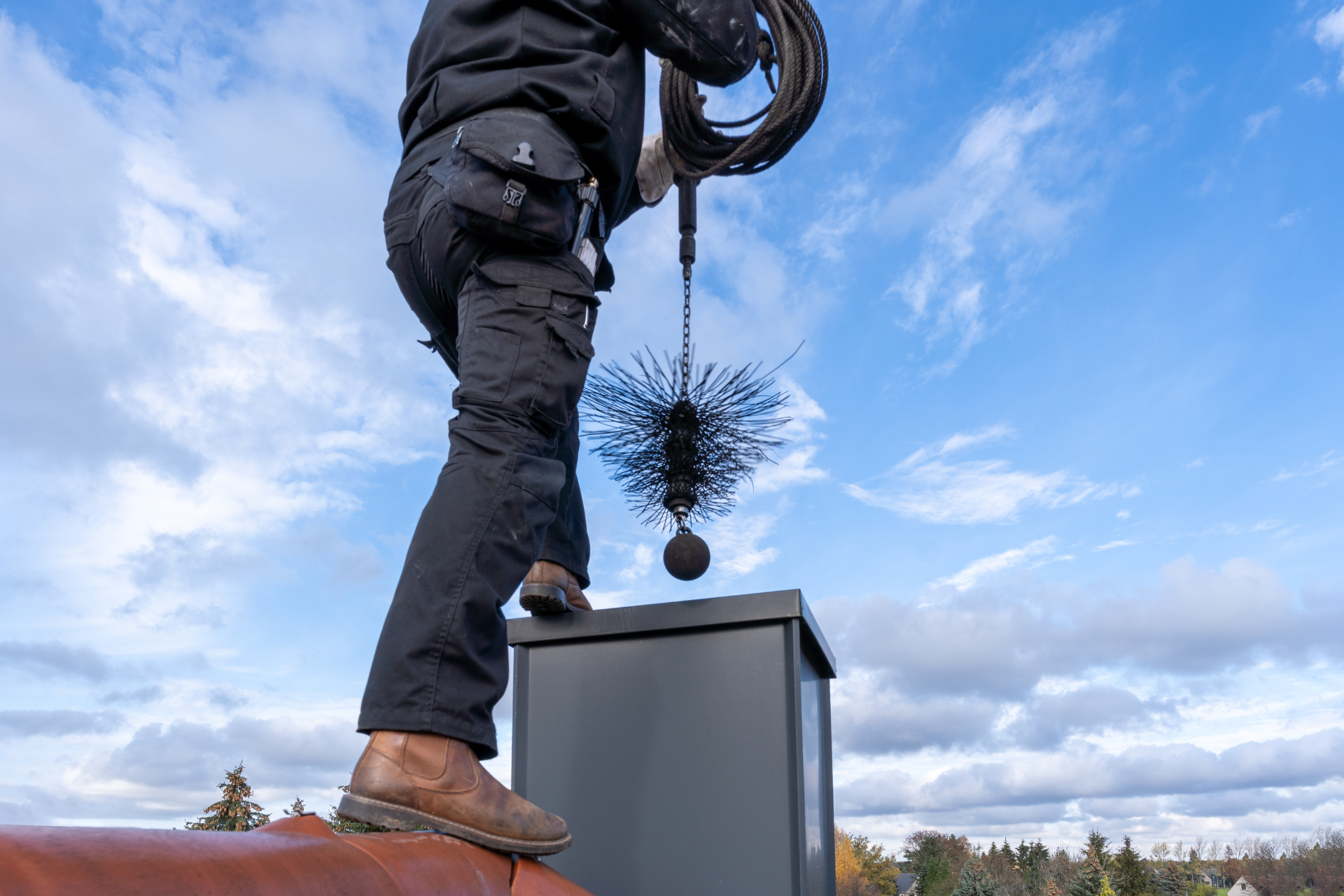
One example is the chimney. If your home has one, it can collect soot and residue that slowly affects airflow. In fact, in some homes around Playa Vista, neglected chimneys can cause lingering odors or even smoke backflow. Services like Chimney Cleaning Playa Vista are often needed to remove buildup that blocks proper air circulation.
Another overlooked factor is furniture, as sofas, mattresses, and curtains absorb dust and release it back into the air when disturbed, gradually contributing to air quality, especially in rooms that don’t receive much sunlight. Other hidden causes include air vents filled with dust and debris, carpets trapping allergens deep inside fibers, kitchen grease particles floating into nearby rooms, old filters in air conditioners or heaters, and moisture trapped behind walls or under sinks.
A simple list of home ventilation tips that help reduce these issues includes running fans even in cooler months, keeping interior doors open when possible, cleaning vents at least once a month, and allowing sunlight to enter rooms daily. Residents often notice improvement quickly when these habits become routine, and even something as simple as opening windows for 10–15 minutes can reduce trapped odors and improve airflow.
Another helpful step is scheduling professional cleaning for deeper areas of the home. Some homeowners rely on professional services because they understand how deep cleaning supports better breathing environments, especially when air quality problems are already noticeable. When ignored, these hidden sources can slowly turn into long-term poor indoor air quality that affects everyone in the home without warning.
Simple Home Habits That Help Improve Air Quality
Improving your indoor environment does not always require expensive upgrades, as in many homes, especially in Playa Vista, small daily habits make the biggest difference. One of the most effective home ventilation tips is creating airflow patterns by opening two windows on opposite sides of your home instead of just one, allowing fresh air to push stale air out naturally. Another important habit is controlling moisture, since bathrooms and kitchens are the most common areas where moisture builds up, and if not handled properly, it can lead to mold and worsen indoor air quality over time. Simple habits you can start today include wiping surfaces regularly to reduce dust buildup, replacing air filters every 1–3 months, avoiding smoking indoors, using natural cleaners when possible, and letting fresh air in during early morning hours.
In Playa Vista, where the weather is often mild, many homes benefit from keeping windows slightly open during the day, as this natural airflow reduces trapped pollutants and helps prevent air quality problems before they grow. Another important habit is maintaining fireplaces and chimneys if your home has one, because even though modern homes are cleaner, leftover residue can still affect airflow, and regular maintenance ensures everything runs smoothly and safely. People often combine these habits with seasonal deep cleaning routines to keep indoor spaces fresh, especially during allergy seasons when dust levels tend to rise, along with using natural cleaning solutions to help maintain a healthier indoor environment without introducing harsh chemicals.
To support better air movement, it is helpful to follow simple home ventilation tips such as using ceiling fans to keep air circulating, avoiding blocking air vents with furniture, and keeping indoor plants balanced, since too many can increase humidity. When these habits are practiced consistently, poor indoor air quality becomes much easier to control, leading to lighter air, fewer odors, and a more comfortable living space overall. In homes, families who follow these steps often report fewer headaches, better sleep, and improved daily comfort, showing that simple routines can make a real difference in long-term air health.