
Understanding Airborne Particles Buildup In Your Home
Living in a home that feels clean is not always the same as having clean air. Many families in places like Brentwood notice this when dust keeps coming back, no matter how often they clean. That is often connected to airborne particles buildup that slowly collects in rooms, vents, fabrics, and even inside walls. These tiny particles are so small that you cannot always see them, but they move through the air every day.
Many homeowners try to improve things with simple steps like vacuuming or opening windows. But when dust keeps returning quickly, it may signal a deeper issue. This is also where services and expert help, like safe home cleaning solutions, can support a healthier environment without harsh chemicals, helping families focus more on air quality improvement in a gentle and consistent way.
How Daily Habits And Hidden Sources Increase Particles Buildup
Most people do not notice how quickly dust returns until it becomes part of their routine frustration. Cooking, walking, and even sitting on a sofa can release more particles into the air. Over time, this adds to particle buildup, especially in homes that are sealed tightly for energy efficiency.
In neighborhoods like Brentwood, where modern home designs are common, airflow is often controlled, which helps comfort but also traps dust inside. This is why many residents experience mild indoor air concerns without connecting them to air quality at first. A helpful way to understand this is to imagine your home like a closed jar. Every activity adds a little more inside the air, and without proper circulation, those particles stay longer than expected.
HVAC systems with dirty filters
When HVAC filters are clogged with dust, dirt, and debris, they can no longer effectively trap airborne particles. Instead, they allow contaminated air to circulate throughout the home, spreading dust, allergens, and other pollutants into every room.
Carpets holding fine dust particles
Carpets act like large filters that trap dust, pollen, pet dander, and other tiny particles. Over time, these particles build up deep within the fibers and can easily become airborne again when people walk over them, affecting indoor air quality.
Upholstered furniture traps allergens
Sofas, chairs, and other upholstered items absorb and hold onto allergens such as dust mites, pet hair, and smoke particles. Every time someone sits or moves on them, these trapped particles can be released back into the air.
Poor ventilation in bathrooms and kitchens
Without proper ventilation, moisture, steam, cooking fumes, and odors can linger in the air. This creates a buildup of humidity and airborne contaminants, which can spread throughout the home and contribute to an unhealthy indoor environment.
When these sources combine, the result is a steady particle buildup that becomes harder to manage over time. This is also where structured care, like air quality improvement routines, becomes important. Some homeowners choose to invest in deeper cleaning services when they notice recurring dust problems. For example, maintaining fireplaces and vents is often overlooked, even though they play a major role in indoor air. In fact, services like trusted cleaning and maintenance care are often used to support safer airflow and better home comfort, especially in older or frequently used heating systems.
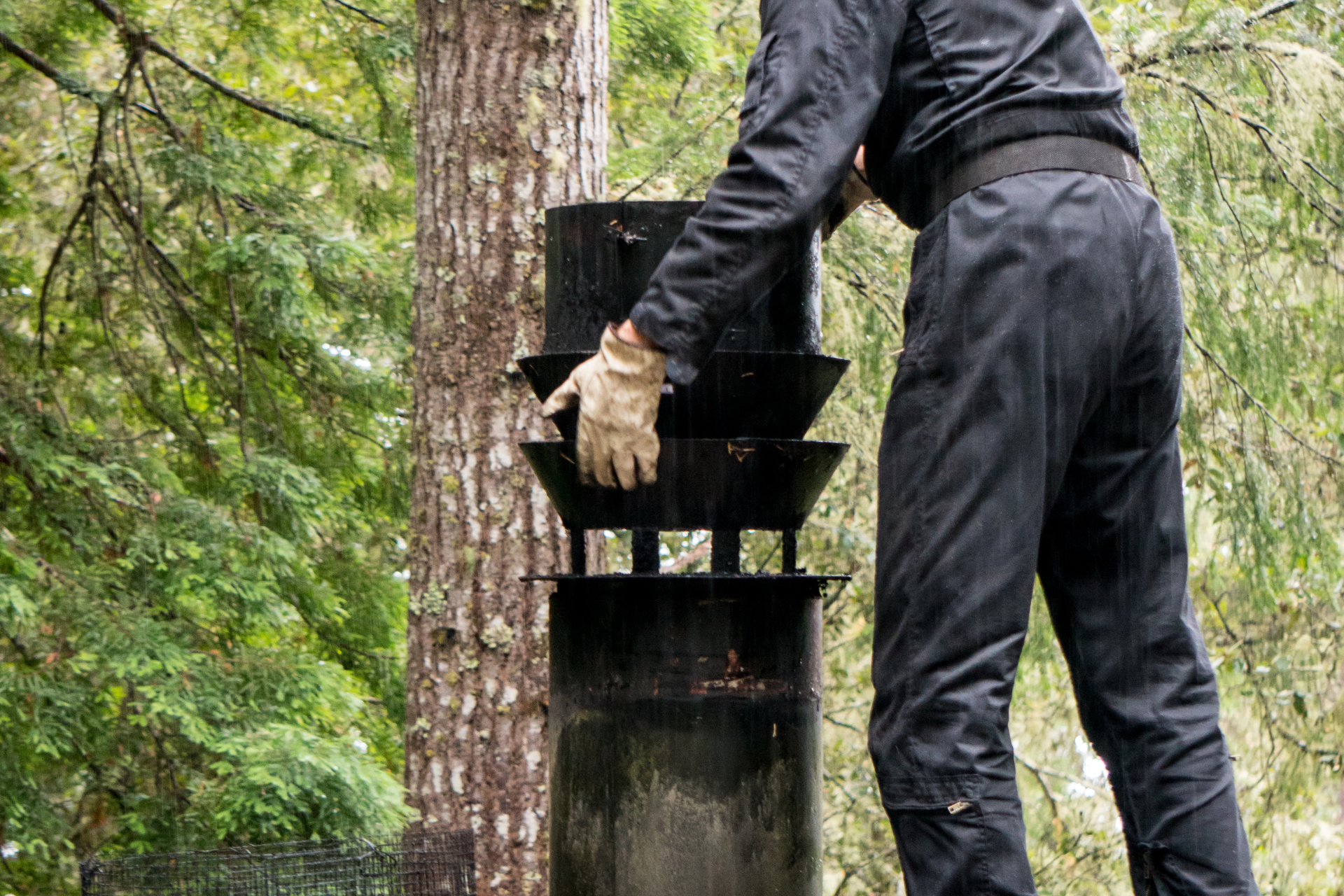
There is also a specific service known as Chimney Cleaning Brentwood, which many residents rely on when they notice a smoke odor or soot buildup affecting indoor freshness. This type of care helps reduce hidden particles that contribute to poor air conditions. When people begin focusing on air quality improvement, they often notice changes not just in cleanliness, but in how they feel less congestion, better sleep, and a lighter atmosphere at home.
The Connection Between Airborne Particles Buildup And Long-Term Home Comfort
Living with constant dust or stale air is not just a cleaning issue; it affects daily comfort because when airborne particles build up without control, it can slowly change how a home feels emotionally and physically, with some families describing it as a “heavy air feeling,” especially in rooms that are rarely ventilated. This is often linked to ongoing indoor air concerns that go unnoticed until symptoms appear, such as frequent sneezing indoors, a dry throat or irritated eyes, dust returning quickly after cleaning, and a musty or stale room smell. In Brentwood homes, this becomes more noticeable during warmer months when windows stay closed, and air conditioning runs longer, and without proper air quality improvement, particles simply circulate inside the same space repeatedly.
One helpful approach is understanding how air moves in your home, since air should flow freely from one room to another, but furniture placement, closed doors, and clogged filters can block that movement, causing airborne particles buildup to increase in certain areas, especially bedrooms and living rooms. To reduce this, homeowners often follow simple routines such as replacing air filters regularly, vacuuming using HEPA-filter machines, washing curtains and bedding often, keeping windows open when weather allows, and reducing indoor burning sources like candles, all of which support steady air quality improvement even without major changes. In Brentwood, some homeowners also schedule deeper seasonal cleaning to reset indoor freshness, especially after long dry months when dust accumulates faster, and over time, consistent care helps reduce airborne particle buildup and improves how the entire home feels.
Why Deeper Cleaning Routines Matter More Than Surface Cleaning
Surface cleaning makes a home look nice, but it does not always solve air problems because dust can settle in hidden spaces like vents, ceiling corners, and behind furniture, where airborne particles often build up silently. Many families only notice the issue when indoor air concerns become stronger, especially when allergies or discomfort increase indoors, and even in well-maintained homes, invisible dust can still circulate through the air system.
A deeper cleaning routine focuses on areas people usually miss, such as air ducts and vents, behind large furniture, inside fabric couches and rugs, and chimneys and fireplace systems, and when these areas are cleaned properly, air quality improvement becomes noticeable within days as the air feels lighter and dust settles more slowly. For homes with fireplaces, soot and fine particles can also spread through the air if not maintained, which is why chimney care matters more than many homeowners realize, since proper maintenance reduces hidden pollutants and supports healthier airflow. also reducing the risk of smoke residue contributing to particles buildup over time, and homes that follow deeper cleaning schedules often report fewer allergy symptoms and improved comfort, showing how important consistent care is, not just occasional cleaning.
Simple Lifestyle Changes That Improve Indoor Air Naturally
Improving home air does not always require major changes, as small habits can make a big difference over time, and when combined, these habits reduce airborne particle buildup and support better living conditions. Simple changes families can start with include keeping shoes outside to reduce outdoor dust, using indoor plants for natural filtering, avoiding overusing strong chemical sprays, opening windows for fresh air circulation, and cleaning air filters every 1–2 months. These small actions also help reduce indoor air concerns, especially in homes where people spend most of their time indoors, making the environment feel fresher, lighter, and more comfortable overall.
In Brentwood, where many families balance work-from-home lifestyles, indoor air quality becomes even more important. Staying indoors for long hours means air freshness directly affects energy and focus. That is why consistent air quality improvement habits are valuable for daily life. Another overlooked tip is reducing clutter. More items in a room mean more surfaces where dust can settle. Less clutter leads to less particles buildup and easier cleaning routines. Over time, these habits create noticeable improvements. Rooms feel fresher, breathing feels easier, and cleaning becomes less stressful.
Creating A Healthier Home Environment
A clean home is not only about appearance, but it is also about how the air supports your health every day. When airborne particles buildup is ignored, it slowly affects comfort, mood, and even sleep quality. Families often realize that improving air quality is not a one-time task but a continuous routine. Whether it is through better cleaning habits, ventilation, or professional help, every step contributes to long-term wellness. When indoor air concerns are addressed early, homes become more comfortable and easier to maintain. And when air quality improvement becomes part of daily life, the difference can be felt in every room. In the end, a healthier home is built through awareness and simple action. Cleaner air means a lighter home, and a lighter home means better living for everyone inside.