Understanding Indoor Airflow and Home Wellness
Living inside a home should feel fresh, calm, and easy on the body. But sometimes, even in a clean-looking house, the air feels heavy. In places like Hermosa Beach, where the ocean breeze is usually strong outside, people are often surprised when their indoor space feels the opposite. This difference is often linked to airflow issues that quietly build up over time. When this happens, it can slowly affect mood, sleep, and even daily comfort without people noticing at first.
One of the most overlooked causes is how air moves, or doesn’t move, inside the home. Windows stay closed during hot afternoons, vents gather dust, and rooms become sealed spaces. Over time, this leads to a feeling many homeowners describe as “stuffy.” This is where awareness of home wellness becomes important. Good home wellness is not just about cleaning surfaces but also about how the air feels every time you breathe in.
How Indoor Air Gets Stuck and Starts Affecting Daily Comfort
Many families do not realize how quickly indoor air can lose freshness. Cooking smells, dust from shoes, pet hair, and even furniture materials all contribute to air buildup. When there is not enough movement, the air becomes stagnant.
Opening Windows For Short Periods During Cooler Hours
Opening windows when the weather is cooler allows fresh air to replace stale indoor air without overheating the home. This short exchange helps flush out trapped odors, moisture, and airborne particles, improving overall comfort without needing long ventilation periods.
Letting Natural Wind Pass Through Hallways
Hallways often act as hidden air pathways inside a home. Allowing wind or cross-breeze to move through them helps connect different rooms, preventing air from becoming stagnant in enclosed spaces and supporting smoother overall circulation.
Avoiding Long-Term Closed-Room Environments
Keeping rooms closed for long periods traps heat, moisture, and odors inside. Over time, this creates a stagnant feeling in the air, making spaces feel heavier and less comfortable even if they are visually clean.
Regular Dust Removal From Hidden Corners
Dust tends to settle in corners, behind furniture, and under appliances where airflow is weakest. Regularly cleaning these hidden areas prevents dust from being released back into the air, helping maintain a fresher and more breathable indoor environment.
These small actions support better airflow maintenance, especially in homes near busy or coastal roads. When airflow maintenance becomes part of the routine, rooms begin to feel lighter and more breathable. In many homes focused on home wellness, families also notice improvements in energy and sleep quality once airflow improves. Fresh air helps the mind relax and reduces that heavy feeling that often comes from trapped indoor air. When ignored, indoor air can slowly make even a beautiful home feel less inviting.
Why Hidden Home Systems Can Contribute to Stale Indoor Air and Affect Freshness
Not all air issues come from visible dirt. Sometimes the cause is hidden in places people rarely check. Vents, ducts, and even fireplaces can affect how air moves inside a home. This is especially true in older properties or homes that experience seasonal use. In coastal cities, moisture in the air can combine with dust and create a slow buildup inside these systems. When airflow maintenance is ignored, air can become trapped in circulation loops, making rooms feel heavier than they should.
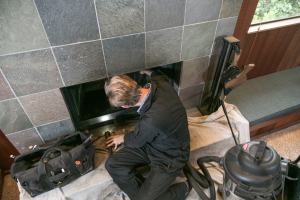
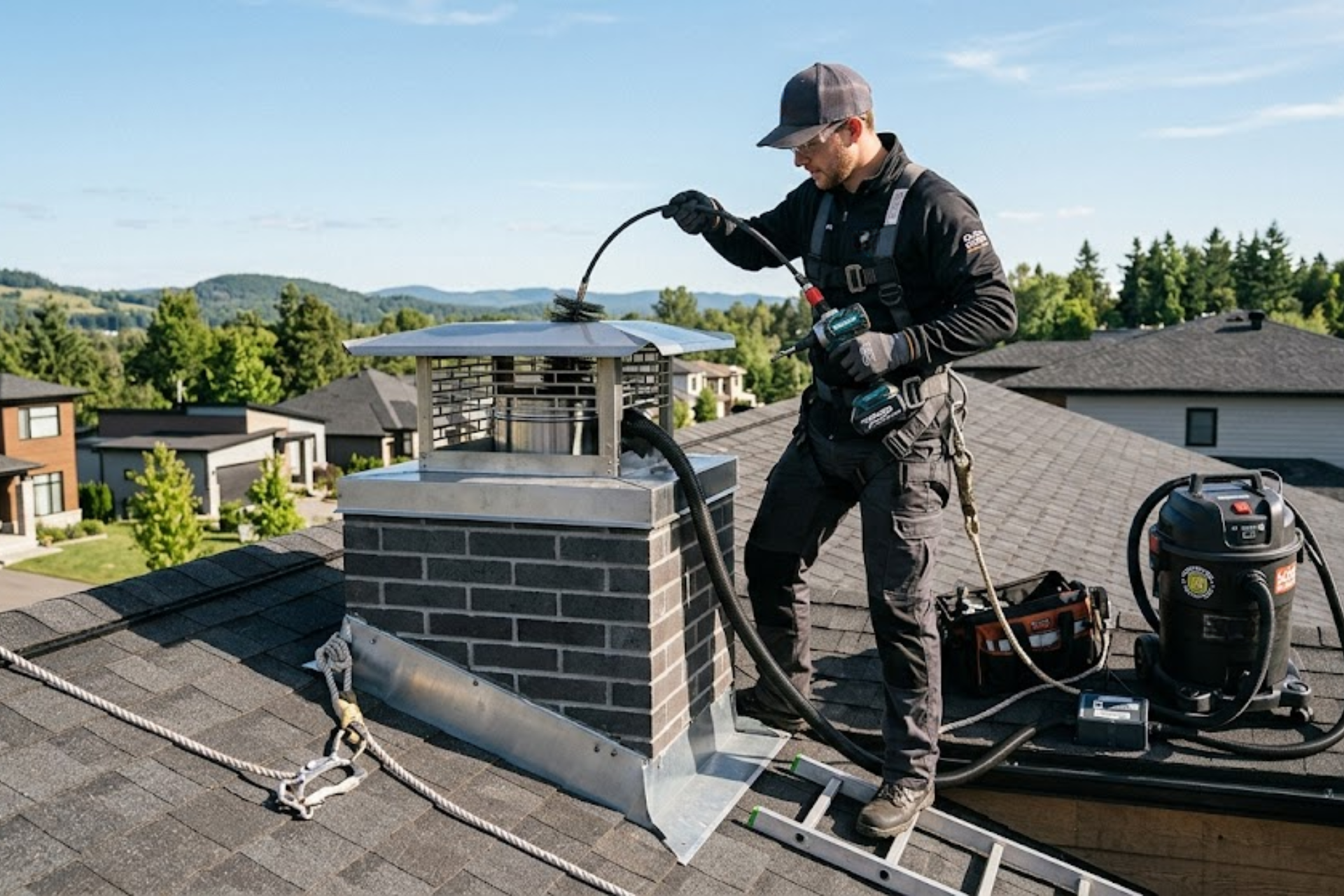
Homeowners often describe this feeling as waking up in a room that does not feel fully refreshed, even after sleeping with windows closed. This is another subtle form of stale indoor air that can affect home wellness over time. In some cases, chimney systems also play a role. When fireplaces are rarely used or not cleaned properly, they can restrict airflow and create lingering odors. This is why professional services such as Chimney Cleaning Hermosa Beach are sometimes recommended for homes that rely on fireplaces during cooler months.
One helpful approach many residents in Hermosa Beach follow is combining deep home cleaning with system maintenance. This includes checking vents, filters, and chimney areas regularly. It helps maintain balanced airflow throughout the home.
The Connection Between Daily Habits and Indoor Air Quality
Sometimes, the issue is not structural but behavioral. Daily routines have a strong effect on how indoor air feels. Cooking without ventilation, leaving laundry indoors, or using strong fragrances can all contribute to air heaviness. In homes where windows are often closed during humid days, these habits can quietly add up and, over time, create conditions where indoor air becomes more noticeable, especially in bedrooms and living areas.
Simple adjustments can help improve the situation, such as letting fresh air enter during morning hours, using fans to support circulation, keeping indoor plants that help balance air naturally, and reducing indoor smoke or strong chemical scents, all of which support better airflow maintenance and create a more balanced indoor environment. Families who prioritize home wellness often notice that even small improvements lead to better focus and comfort throughout the day.
One interesting observation from homeowners is that even short daily ventilation routines can change how a home “feels.” Rooms feel less tight, and mornings feel more refreshing. When airflow is consistent, indoor air becomes less of an issue, and the home begins to feel more open and relaxed.
How Seasonal Changes Affect Air Movement Inside the Home
Weather changes also play a big role in indoor air quality. In coastal areas, humidity levels can shift quickly. During warmer months, people tend to keep windows closed to maintain cool temperatures. During cooler months, they may avoid ventilation altogether. This creates a cycle where air becomes trapped inside for long periods. Without proper airflow maintenance, rooms can develop a heavy feeling that affects comfort. This is where awareness of home wellness becomes especially important.
When air is not refreshed regularly, particles stay suspended longer, and over time, this contributes to indoor air issues that make spaces feel less inviting even when they are clean, especially when combined with environmentally safe cleaning practices that help maintain a healthier indoor environment without adding harsh chemical residues. Families in Hermosa Beach often notice this during seasonal transitions, when one week the home feels fresh and the next it feels slightly dull, a change that is usually tied to airflow patterns rather than visible dirt. By maintaining consistent airflow habits year-round, homeowners can reduce this effect, and even simple steps like adjusting window timing or using fans can help stabilize indoor conditions.
Bringing Comfort Back Through Simple Air Awareness
Improving indoor comfort does not always require major renovations. In many cases, it begins with awareness and small daily changes. When homeowners understand how air moves inside their space, they can make better decisions that support long-term comfort. Focusing on home wellness helps families stay more connected to their living environment. It encourages healthier routines, better sleep, and a more enjoyable home experience overall. In places like Hermosa Beach, where outdoor air is naturally fresh, bringing that same feeling indoors is very possible with the right habits.
Good airflow maintenance ensures that air does not stay trapped in one place for too long. When this is combined with regular cleaning and attention to hidden systems, the home begins to feel lighter and more comfortable. Ignoring stale indoor air for long periods can slowly affect how people feel inside their homes, even if everything looks clean. But with simple awareness and steady habits, that feeling can be reversed. At the end of the day, comfort is not just about how a home looks; it is about how it feels when you breathe inside it.