Understanding Home Ventilation Problems And Why They Quietly Affect Your Daily Comfort
Most people do not notice air problems at home right away. It is not like a broken light or a leaking faucet. Instead, it slowly shows up in small ways. You might feel tired even after sleeping, or notice that rooms smell a bit “closed” in the morning. These are often early signs of home ventilation problems that build up over time without warning.
In places where homes can be tightly sealed for cooling or noise control, indoor air can easily become trapped. When fresh air does not move in, and old air does not move out, you start experiencing stale air issues that affect how your whole home feels. Many families in Studio City think it is just normal humidity or weather changes, but it is often an airflow imbalance inside the house.
Why Airflow Imbalance In Studio City Homes Feels Worse Over Time
In many neighborhoods, homes are built for comfort and insulation, but that also means air does not always move freely, and when airflow becomes weak, home ventilation problems start showing up in ways that feel normal at first but gradually become harder to ignore. One major issue is trapped warm air, where in multi-room homes, heat can gather in upper levels or corners, and without proper circulation, this leads to constant discomfort even when air conditioning is running. You might notice bedrooms feeling stuffy at night, kitchens holding cooking smells for hours, and bathrooms staying humid long after use, all of which slowly contribute to stale air issues, especially in tightly sealed homes, eventually affecting how fresh your living space feels and making healthier interiors harder to maintain without extra effort.
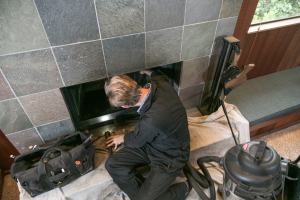
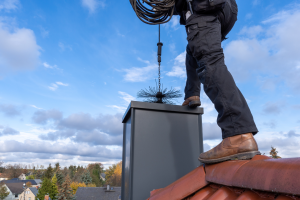
To understand airflow better, it helps to think in terms of intake air (fresh air coming into the home), exhaust air (used air leaving the home), and circulation flow (movement between rooms), since when any of these are blocked or weak, the entire system becomes unbalanced, which is why even clean homes can still feel “heavy” or uncomfortable indoors. Many homeowners begin exploring solutions such as Chimney Cleaning Studio City services when they realize that airflow is not just about windows and fans but also hidden vertical pathways like chimneys and vents, and in fact, clogged or unused chimney pathways can quietly worsen air movement inside the home.
Hidden Airflow Problems That Start In Everyday Living Spaces
Inside most homes, airflow problems do not come from one big issue but instead build slowly in everyday areas where people spend the most time, which is why ventilation problems become harder to notice because everything looks normal on the surface. Living rooms, kitchens, and hallways often trap air without people realizing it, especially when furniture placement, closed doors, and even thick curtains block natural airflow. Common hidden causes include blocked air paths where large furniture placed near vents stops air movement, closed-room habits like keeping doors shut all day that reduce circulation, dust buildup that makes filters and fans work less efficiently over time, and overuse of artificial cooling that limits natural air exchange. These everyday habits slowly create stale air issues that feel like a “normal home smell,” but they actually point to weak ventilation developing over time.
In Studio City, where people often keep windows closed for comfort or privacy, airflow becomes even more limited. As a result, indoor air does not refresh itself properly, leading to heavier indoor conditions. Over time, this also reduces healthier interiors, especially in shared spaces like living rooms and family areas. You might notice that even after cleaning, the home still feels a bit “off.” That is a sign the air itself is not circulating properly.
When Chimney Airflow Becomes Part Of Indoor Comfort Issues In Studio City
Many homeowners do not realize that chimneys are also part of the home’s airflow system. Even if they are not used daily, they still affect how air moves inside the house. In some homes, blocked or neglected chimney paths can contribute to poor ventilation.
This is where home ventilation problems can become more complex. Air may get trapped because it has no proper exit route, especially in homes with older chimney structures.
Lingering Smoke-Like Smells Even Without Fireplace Use
Restricted chimney airflow can trap old smoke particles, soot, or odors inside the chimney system. Even if the fireplace isn’t currently in use, these trapped residues can slowly seep back into the home, creating a faint smoke-like smell that lingers in rooms, especially during changes in temperature or pressure.
Uneven Temperature In Different Rooms
A blocked or poorly ventilated chimney can disrupt the natural rise and exit of warm air. Instead of heat distributing evenly, some rooms may feel warmer while others stay cooler. This imbalance happens because air is not circulating and releasing properly, causing inconsistent indoor temperatures.
Increased Indoor Humidity
When chimney airflow is restricted, moisture that would normally exit through proper ventilation can become trapped indoors. This added humidity can make the air feel heavier, encourage condensation on windows or walls, and contribute to an overall damp or uncomfortable indoor environment.
Chimney systems in older homes are often overlooked. But even unused chimneys can act like air vents. When they are blocked, airflow inside the home becomes even more limited, making healthier interiors harder to achieve naturally.
Daily Habits That Quietly Worsen Indoor Air Freshness
Even without realizing it, daily routines can make indoor air feel heavier, as these habits are often small but build up over time and contribute to stale air issues that affect comfort. Common habits include not opening windows regularly, drying clothes indoors without proper ventilation, cooking without exhaust fans, and keeping storage areas closed and unused, all of which reduce air movement and add moisture or particles into the indoor environment. Over time, this can lead to repeated ventilation problems that are difficult to fix with surface cleaning alone. In homes, where the weather can vary between warm afternoons and cooler nights, many people keep their homes sealed most of the time, and while this helps with temperature control, it also limits fresh airflow. In simple terms, good airflow creates a fresh, light indoor feeling, while poor airflow leads to a heavy, stagnant indoor feeling, and when airflow stays weak for too long, even clean homes lose their freshness and struggle to maintain healthier interiors.
Simple Ways To Improve Airflow And Restore Daily Comfort
Improving airflow does not always require major changes, as small habits can make a noticeable difference in how your home feels each day by reducing stale air issues and supporting better indoor comfort over time, especially when paired with an eco-friendly cleaning solution that helps maintain cleanliness without introducing harsh residues into indoor air. Helpful steps include opening windows early in the morning for fresh air exchange, keeping interior doors slightly open for better circulation, cleaning vents and fans regularly, using exhaust systems during cooking and bathing, and rearranging furniture away from air vents, all of which help maintain smoother airflow throughout the home.
In many homes, consistent airflow habits can transform how a space feels, and even without renovation, improving circulation helps reduce lingering odors and creates a lighter indoor atmosphere. When airflow is balanced, healthier interiors become easier to maintain naturally, making the home feel more open, breathing easier, and daily comfort improves without extra effort. Living in Studio City means balancing comfort, insulation, and freshness, and once airflow becomes part of your daily routine, the entire home experience changes for the better, with less heaviness, more clarity, and a more natural sense of comfort in every room.