Early Signs Your Home Is Struggling To Breathe
Many homes look clean on the surface, but the air inside can tell a different story. When air gets trapped, the space starts to feel heavy, even if everything is tidy. One of the earliest clues is when rooms don’t feel fresh after cleaning or when smells seem to linger longer than usual. This is often a quiet sign that better indoor ventilation is needed before bigger problems appear.
In some homes, especially older ones, airflow can become blocked by furniture placement, sealed windows, or a lack of natural air paths. In places like Venice, where humidity and coastal air can affect indoor spaces, homeowners sometimes notice that rooms feel damp or slightly stale even in the morning. That’s usually a sign that air is not moving properly.
Moisture, Odors, And Air Trapped In Corners
When air does not move properly, moisture starts to build up in hidden areas. This is common in bathrooms, kitchens, and even bedrooms that do not get enough airflow. Over time, this trapped moisture can lead to peeling paint, soft wood surfaces, or persistent odors that never fully go away.
In coastal environments like Venice, moisture in the air naturally increases the chance of indoor dampness. Homes in Venice often need extra attention because the outside air already carries humidity. When combined with poor ventilation, the result can feel uncomfortable and heavy. One of the most overlooked signs is how smells behave indoors. Cooking odors, pet smells, or even cleaning scents can stay longer than expected. This usually points to weak airflow improvement inside the structure. Many homeowners in these areas also prefer eco-conscious cleaning practices to help maintain a fresher indoor environment while reducing the impact of harsh chemicals on already moisture-prone spaces.
Bathroom Mirrors Fogging Long After Showers
When bathroom mirrors stay fogged long after a shower, it usually means excess moisture is trapped in the room due to poor ventilation. Warm steam from hot water lingers in the air and condenses on cooler surfaces like mirrors and tiles. If there is not enough airflow from windows or exhaust fans, the moisture takes longer to escape. Over time, this can make the bathroom feel damp and uncomfortable, and it may also encourage mold or mildew growth if not addressed.
Kitchen Smells Spreading Into Other Rooms
When cooking odors move beyond the kitchen, it is often a sign that air is not circulating properly between spaces. Steam, oil particles, and food smells can become trapped indoors and slowly drift into nearby rooms. Without proper airflow or the use of exhaust fans, these odors settle into fabrics and walls, making the entire home feel less fresh. Improving ventilation helps contain and remove these smells more quickly.
Fabric or Curtains Holding Onto Odors
Fabrics like curtains, sofas, and rugs can easily absorb odors from cooking, pets, or humidity. Because these materials are porous, they trap tiny particles in their fibers and slowly release them over time. This is why rooms may still smell “stale” even after cleaning visible surfaces. Regular washing or airing out fabrics helps reduce odor buildup and keeps indoor air feeling lighter.
Corners of Rooms Feeling Damp or Cool
When room corners feel damp or unusually cool, it often indicates poor air circulation in those areas. Air tends to move less freely in corners, allowing moisture and cooler temperatures to settle. This can create a slight musty feeling and may contribute to dust or mold buildup over time. Improving airflow and regularly cleaning these hidden spots helps maintain a more balanced and comfortable indoor environment.
Daily Habits That Improve Airflow At Home And Support Better Indoor Ventilation Naturally
Improving air movement inside a home does not always require major renovations. Small daily habits can slowly transform how air behaves in your space. When practiced consistently, these habits support better indoor ventilation and help maintain a cleaner, more comfortable environment.
One of the simplest habits is opening windows early in the morning. Even 10 to 15 minutes of fresh air can reset indoor conditions. In places, morning air can feel fresher and less humid, making it the best time to let indoor air circulate.
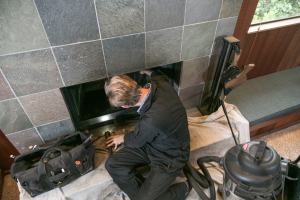
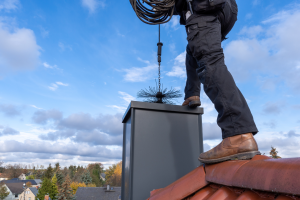
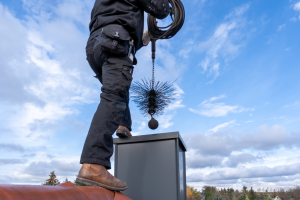
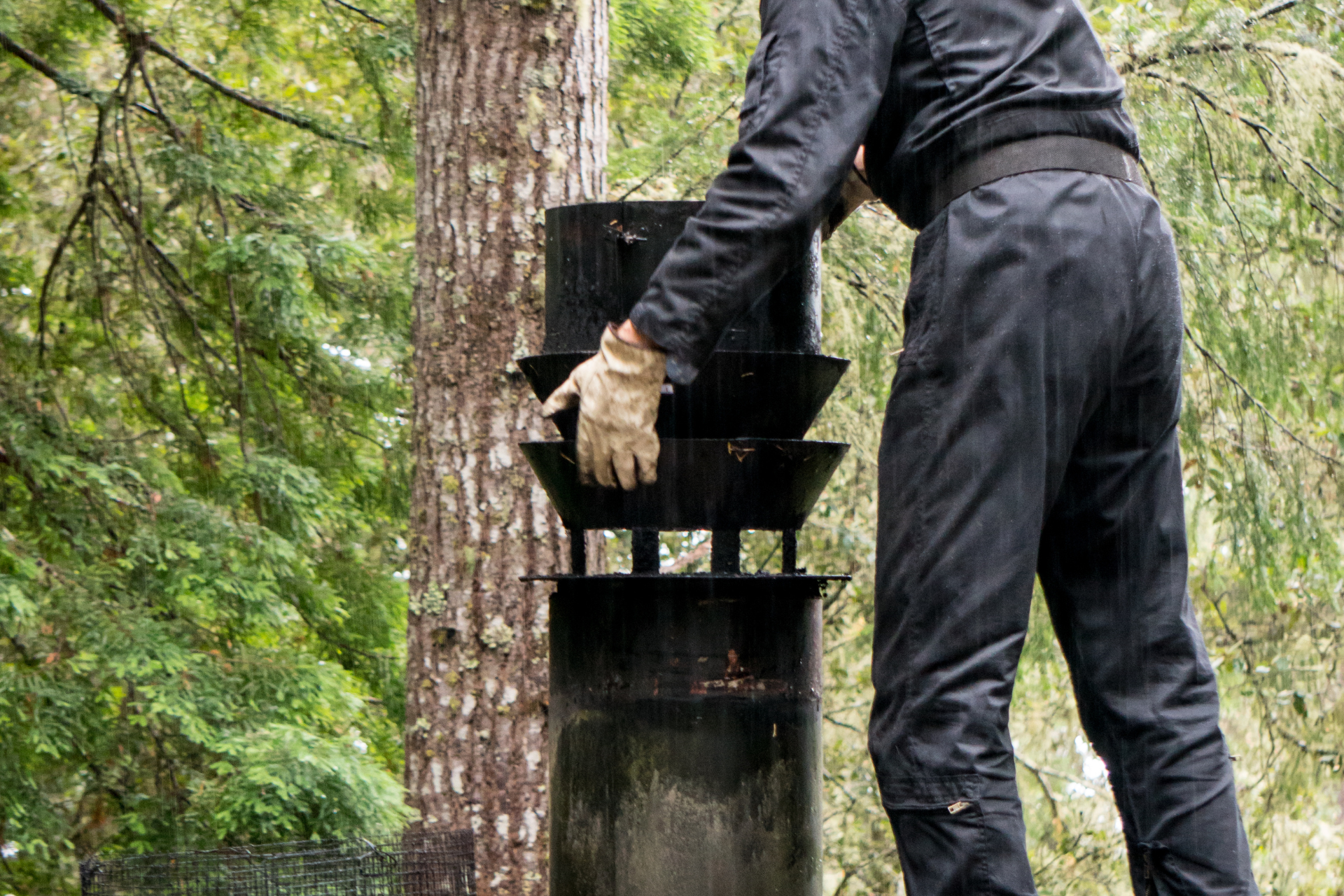
Another helpful habit is rearranging furniture to avoid blocking vents or windows, since many homeowners unknowingly restrict airflow paths and reduce circulation without realizing it. Keeping these pathways open improves natural airflow throughout the home and helps maintain a more comfortable indoor environment. Simple daily practices such as opening windows on opposite sides for cross ventilation, keeping doors open between connected rooms, and using exhaust fans while cooking or showering all contribute to better air movement. It is also important to avoid overcrowding rooms with large furniture, as this can trap air and create stagnant areas. Regularly cleaning dust from vents and ceiling fans further supports smoother circulation. In some homes, maintenance routines may also include services like Chimney Cleaning Venice to ensure that hidden airflow systems remain clear and functioning properly. These habits support healthier property care by ensuring air continues to move freely, and when airflow becomes part of a daily routine, the space naturally feels fresher, lighter, and more balanced.
In some cases, homeowners in Venice also notice that seasonal humidity changes can affect indoor air quality. During these times, consistency in ventilation habits becomes even more important. There are also emotional benefits. A home with steady air movement often feels calmer and more relaxing. This is why many people associate clean airflow with mental comfort and better sleep quality.
When combined with regular cleaning, these habits reduce stress on the home’s structure and help maintain long-term comfort. Over time, better indoor ventilation becomes less of a task and more of a lifestyle choice. The final result is a home that feels lighter, cleaner, and easier to live in every day. With proper attention, airflow improvement can completely change how a property feels, even without major repairs or renovations. This is the essence of consistent, healthier property care: simple habits that create lasting comfort for every room in the house.