Blocked Airflow Warning Signs: How to Spot Chimney Problems Early
Most homeowners do not think much about airflow until something starts going wrong. A dryer takes too long. The room feels hotter than usual. A strange smell shows up during laundry day. At first, these seem like small problems. Many people shrug them off and move on with their day. But these early changes can be signs that something inside the home needs attention.
Air needs space to move. When vents, ducts, or dryer lines get packed with lint, dust, or debris, the air cannot travel the way it should. That puts stress on appliances, raises energy use, and creates comfort problems in the home. It can also lead to moisture buildup and hidden safety concerns.
This is why paying attention matters. Small warning signs often come before bigger trouble. A dryer that runs a little longer today could become a serious repair issue later. A warm laundry room might seem harmless, but it can point to airflow blockage that keeps getting worse with every load.
For homeowners who want reliable help with home care and cleaning support,professional home cleaning services can be a useful place to start. A clean and well-maintained home is not only more comfortable, but also easier to keep safe.
In busy places like Los Angeles, many families put home maintenance on the back burner. Schedules get packed, chores pile up, and a slow dryer may not seem like an urgent issue. Still, ignoring the signs can cost more in the long run. The good news is that airflow problems often give clear clues if you know what to watch for.
The Most Common Blocked Airflow Warning Signs Every Homeowner Should Know
One of the first clues is a change in dryer performance. Clothes that used to dry in one cycle may now need two. Heavy items like jeans, towels, and blankets may come out warm but still damp. This is often one of the earliest signs that air is not moving out of the vent properly.
Another common clue is heat. If your dryer feels hotter than normal on the outside, or if the laundry room becomes very warm during a cycle, air may be trapped instead of flowing out. That trapped heat has to go somewhere, and when it stays indoors, it puts extra stress on both the room and the machine.
You may also notice smells. A dusty smell, a burning scent, or stale air after running the dryer should never be ignored. Lint is highly flammable, and when it builds up inside a vent line, the risk goes up. Strange smells can also mean heat and moisture are staying where they should not.
Some signs are easy to spot right away:
- Clothes take much longer to dry
- The dryer shuts off before a load is done
- The room feels hotter than normal
- A musty or burning smell appears
- Lint gathers around the hose or dryer area
- The outside vent flap does not open well
- Moisture collects on walls or windows nearby
These issues often happen because of buildup inside the vent. Over time, lint, pet hair, and debris narrow the passage where air should move. Once the vent line gets crowded, the dryer has to work harder to push air through. That strain can lead to poor results and growing safety concerns.
If you are seeing these problems at home, it may be time to learn more aboutdryer vent cleaning in Los Angeles. Knowing when to act can save time, energy, and stress.
Blocked Airflow Warning Signs Every Homeowner Should Know
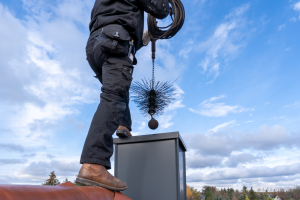
Blocked airflow warning signs can indicate serious issues in your chimney or ventilation system, and recognizing them early is essential for maintaining a safe home. When airflow is restricted, smoke, gases, and harmful particles may not exit properly, putting your indoor air quality at risk. Homeowners often overlook these warning signs until the problem becomes severe.
One of the most common blocked airflow warning signs is smoke backing up into your living space instead of flowing out through the chimney. This can be caused by debris buildup, creosote accumulation, or even animals nesting inside the flue. You may also notice unpleasant odors lingering in your home, which is another indicator that airflow is not functioning as it should.
Another key blocked airflow warning signs include weak flames or difficulty keeping a fire burning. When oxygen cannot circulate properly, your fireplace or heating system struggles to perform efficiently. Ignoring these symptoms can lead to bigger issues such as carbon monoxide exposure or costly chimney repairs over time.
Common Causes of Blocked Airflow Warning Signs
Blocked airflow warning signs are often caused by obstructions such as soot buildup, creosote accumulation, leaves, or even animal nests inside the chimney. These blocked airflow warning signs can restrict proper ventilation and prevent smoke and gases from exiting your home safely.
Blocked airflow warning signs may also result from structural damage within the chimney system. Cracks, deteriorating masonry, or a damaged flue liner can all contribute to blocked airflow warning signs by interfering with proper airflow and reducing overall efficiency.
Blocked airflow warning signs can be prevented with regular inspections and professional cleanings. Addressing blocked airflow warning signs early helps maintain a safe, efficient chimney system and prevents costly repairs over time.
Why Longer Drying Times Are A Serious Red Flag
Longer drying times are one of the most common issues homeowners notice first. It is also one of the easiest to dismiss. Many people think the load was too large or the dryer is just getting old. While those things can play a role, the real cause is often poor airflow.
A dryer removes moisture from clothing by using heat and moving air. When the moist air cannot leave the vent line, the dryer keeps working without finishing the job well. That means your clothes stay damp, your machine runs longer, and your energy bill climbs.
This is where blocked airflow warning signs become easy to miss. The machine may still turn on, spin, and heat up, so it seems like it is working. But under the surface, it is struggling. That hidden stress can shorten the life of the appliance over time.
Longer cycles also create a frustrating routine at home. Instead of finishing laundry in one round, you may need two or three. This wastes time and adds wear to the dryer with every extra cycle. What seems like a small delay can quickly become part of your weekly headache.
How Excess Heat In The Laundry Room Signals Trouble
A laundry room should feel warm when the dryer runs, but it should not feel like a hot box. If the room becomes much hotter than usual, that is often a clue that air is getting trapped. Instead of leaving the home through the vent, heat builds up indoors.
This can happen slowly. At first, the room may just feel stuffy. Then it may start to feel uncomfortable every time you do laundry. In warmer cities like Los Angeles, this can make the problem even more noticeable. A hot laundry room adds extra strain to your cooling system and makes the space harder to use.
Excess heat matters for another reason too. It can increase appliance safety risks in the home. Dryers are designed to move heat and moisture out. When that process is blocked, internal parts can run hotter than they should. Over time, that can affect sensors, motors, and other key parts.
If you ever place your hand on the dryer and feel unusual heat on the top or sides, that is worth noting. A dryer should not feel dangerously hot during normal use. Heat that keeps building is a signal that something is not working right.
Burning Smells, Dust, And Lint Buildup You Should Not Ignore
Smell is one of the strongest clues a home gives you. If you notice a burning odor while the dryer is running, stop and pay attention. This is not the kind of problem to put off until next week. It may mean lint is collecting in the vent or around internal parts.
Lint may look soft and harmless, but it can become dangerous when heat gets trapped. A dirty lint trap, a packed vent hose, or buildup deeper in the line can all raise the risk. This is why one of the biggest concerns tied to poor airflow is fire.
You may also notice dust or lint appearing where it should not. If you clean the lint trap every load but still see lint around the dryer, near the hose, or around the outside vent, that could mean the vent is backing up. It is a sign that air is not carrying debris out the way it should.
Look for these visual clues:
- Lint around the base of the dryer
- Dust near the vent hose
- Lint buildup outside the home near the vent opening
- Dark marks or dirt around the vent flap
- More lint in the room than usual after drying clothes
These are simple clues, but they matter. Homes often give small warnings before they give big ones.
How Restricted Air Movement Affects Comfort And Safety At Home
When airflow is blocked, the impact does not stay limited to the dryer alone. The whole laundry area can feel different. The room may be hotter, more humid, or less fresh. Nearby rooms may even feel stuffy if moisture and heat stay trapped indoors.
This kind of restricted air movement can make a home feel less comfortable in subtle ways. You may notice warm walls near the laundry area, damp air after each cycle, or windows that fog up more than usual. These signs are especially frustrating during warm months in Los Angeles, when homes already work hard to stay cool.
There is also the safety side. Airflow problems do not always look dramatic, but they can create conditions that raise risk over time. When lint, heat, and moisture all stay trapped together, the home becomes less efficient and less safe. This is why paying attention to airflow is not just about convenience. It is about protecting your space.
The Hidden Costs Of Poor Dryer Vent Airflow
Many homeowners first notice the problem through inconvenience, but the money side shows up soon after. A dryer that needs two cycles instead of one uses more electricity or gas. That means higher utility bills month after month.
The appliance also wears out faster. Motors, heating elements, and sensors all work harder when airflow is poor. What could have been fixed with a vent cleaning may turn into a repair bill or even an early appliance replacement.
Here are some of the hidden costs that come with poor airflow:
- Higher energy use
- More wear on the dryer
- Extra time spent re-running loads
- Greater chance of part failure
- More stress on home cooling during warm weather
Over time, poor airflow leads to reduced drying efficiency, and that means every laundry day becomes less productive. Families with children, pets, or frequent laundry needs often feel this problem faster because they use the dryer more often.
Moisture, Mold, And Other Problems Caused By Blocked Vents
Dryers do more than heat clothes. They also remove moisture. That moisture is supposed to travel out through the vent line. When it cannot leave properly, it may stay trapped inside the vent or leak back into the laundry area.
That can lead to damp conditions that are easy to miss at first. You may notice a slight musty smell, a wall that feels damp, or paint that starts peeling near the dryer area. In time, moisture problems can support mold and mildew growth.
This issue is especially important in tight laundry spaces, apartments, or homes with poor ventilation. Trapped moisture does not just affect comfort. It can affect walls, paint, trim, and air quality too.
A simple way to think about it is this:
Normal airflow
: Moist air leaves the home through the vent.
Blocked airflow
: Moist air stays trapped, spreads indoors, and creates damp conditions.
When homeowners ignore moisture clues, they often end up dealing with more than one problem at once. The dryer struggles, the room feels bad, and the home starts showing signs of wear.
Understanding Appliance Safety Risks Linked To Airflow Issues
One of the biggest reasons not to ignore airflow problems is safety. Dryers generate heat every time they run. That heat is manageable when air moves properly and carries moisture and lint away. But when the path is blocked, heat builds up.
This can raise appliance safety risks in ways many homeowners do not expect. The dryer may overheat. Lint may collect near hot parts. Internal stress may damage components that help the machine run safely. Even if there is no immediate emergency, the risk grows every time the dryer is used under poor airflow conditions.
Some warning signs that should be taken seriously include:
- A burning smell
- A dryer that feels too hot to touch comfortably
- Repeated shutoffs during normal loads
- Clothing that comes out hotter than usual
- A vent flap that barely opens outside
These signs do not mean panic, but they do mean action. The smartest move is to treat repeat warning signs as a home maintenance issue that needs attention now, not later.
Simple Checks Homeowners Can Do To Spot Vent Problems Early
You do not need to be an expert to notice when something feels off. A few basic checks can help you catch problems early before they become expensive or risky. Start with the lint trap. Clean it after every load. This is simple, quick, and important. A full lint trap slows airflow and adds more debris to the system.
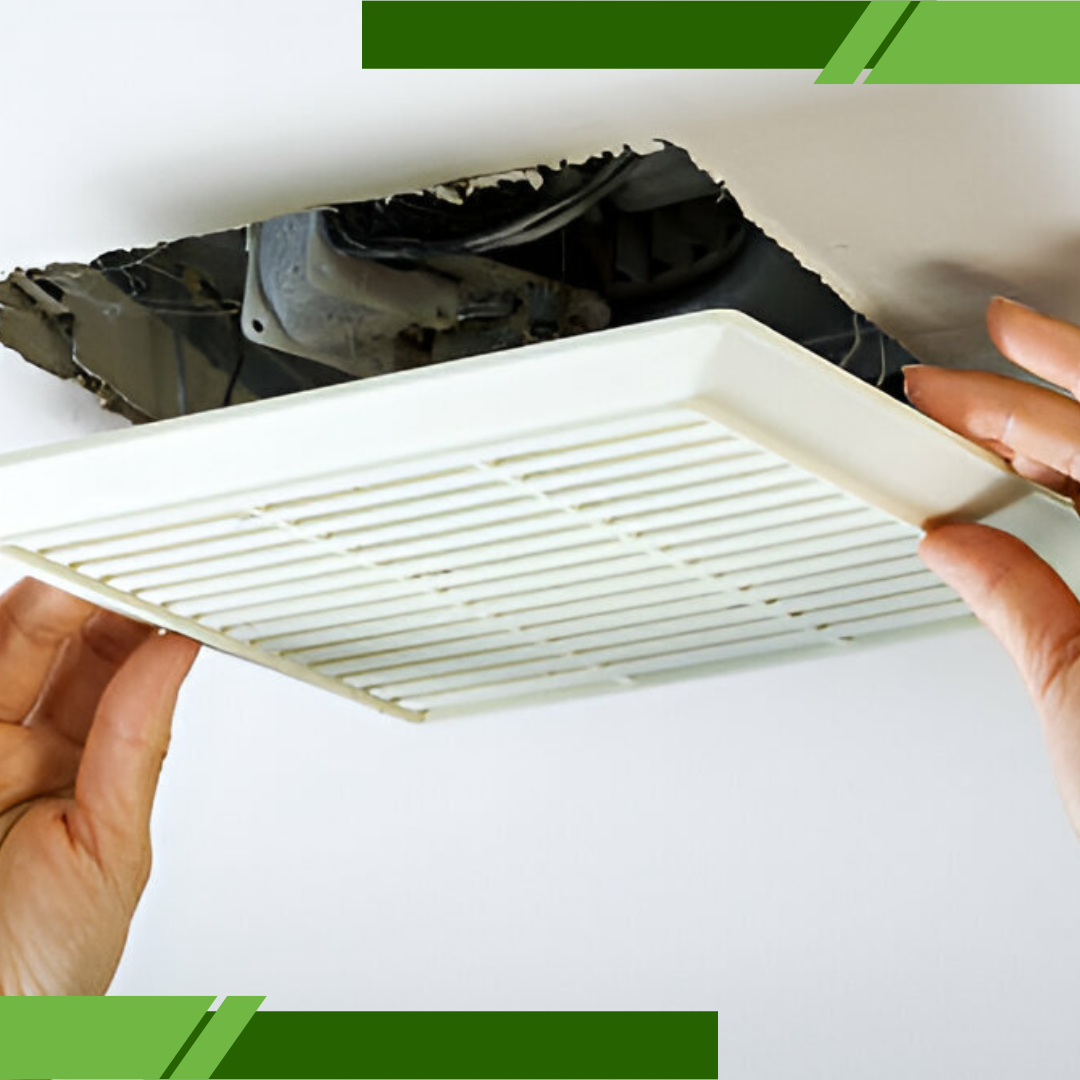
Next, check the outside vent while the dryer is running. The vent flap should open well, and you should feel warm air coming out. If the flap barely moves or no air seems to be coming out, that points to a blockage. You can also look behind the dryer. Make sure the vent hose is not crushed, bent, or twisted. Even a small bend can limit airflow more than people realize.
Use this quick home checklist:
- Clean the lint trap after every cycle
- Watch for longer drying times
- Check the outside vent flap
- Notice unusual heat in the room
- Pay attention to burning or musty smells
- Look for lint around the dryer and vent area
These simple habits can help you spot blocked airflow warning signs before they turn into major trouble.
When To Call A Professional For Dryer Vent Help In Los Angeles
Some issues go beyond what a quick check can solve. If your dryer keeps taking too long, your room feels too hot, or you keep noticing smells and lint buildup, it may be time for professional help. This is especially true if the vent line is long, hard to reach, or hidden behind walls. Deep vent buildup cannot always be removed by basic surface cleaning. A professional service can inspect the full line, remove trapped debris, and help restore better airflow.
Homeowners in Los Angeles often benefit from routine service because busy households, compact laundry areas, and frequent dryer use can all contribute to vent buildup. A clear vent line helps the appliance run better, lowers stress on the system, and supports a safer home environment. Another reason to act sooner is that not all blockages come from lint alone. Outdoor debris, bird nests, crushed vent lines, and poor installation angles can all create trouble. A professional can often spot problems that are easy to miss with a quick glance.
Conclusion: Take Blocked Airflow Warning Signs Seriously Before They Get Worse
Airflow problems rarely fix themselves. In most homes, they get worse with time. What starts as a slow dryer or a warm room can turn into higher bills, damaged appliances, moisture trouble, and growing safety concerns. The good news is that the home usually gives clear clues. Longer drying times, trapped heat, odd smells, visible lint, and poor vent movement are all signs worth noticing. When you respond early, the fix is often easier and less costly.
For homeowners in Los Angeles, staying alert to these signs can make a real difference. Laundry gets done faster. Appliances work better. The home feels more comfortable. Most important, your family has fewer hidden risks to worry about. If your dryer has not been working the way it used to, do not brush it off. Learn the signs, check the basics, and act when the clues repeat. A clean, clear vent path helps protect your home, your time, and your peace of mind in Los Angeles.