Why Indoor Air Quality Matters For Everyday Comfort At Home
Living inside a home should feel safe and refreshing. But many families don’t realize that the air they breathe indoors can slowly affect how they feel every day. From morning headaches to tired afternoons, the quality of indoor air plays a bigger role than most people think. In places like Westlake Village, where families enjoy cozy indoor living and seasonal weather changes, keeping air clean becomes even more important for daily comfort.
Some homes feel fresh in the morning but turn stuffy by evening. Others carry hidden smells or dust that quietly build up over time. These are often signs of deeper issues connected to airflow, cleaning habits, and overlooked home systems. When ignored, they can affect energy levels, sleep quality, and especially respiratory comfort.
Common Indoor Air Concerns And Their Impact On Family Comfort And Wellness Daily
When we talk about common indoor air concerns, we are really talking about the invisible things that affect how your home feels. These include dust buildup, poor ventilation, hidden moisture, pet dander, and smoke particles. Even if your home looks clean, the air may still carry irritants that slowly affect your well-being.
Many families notice that their homes feel heavier or less fresh when windows stay closed for too long. This is a typical sign of indoor air concerns developing over time.
Dust Settling Quickly Even After Cleaning
When dust reappears soon after cleaning, it often means there is continuous dust circulation in the home. This can come from dirty air filters, carpets, or poor ventilation that keeps redistributing particles into the air instead of removing them.
A Musty Smell In Closed Rooms
A lingering musty odor is usually a sign of trapped moisture or hidden mold growth. It often develops in poorly ventilated spaces like closets, basements, or rooms that stay closed for long periods, especially during cooler or humid weather.
Frequent Sneezing Indoors But Not Outside
If sneezing happens mostly inside the home, it may be caused by indoor allergens such as dust mites, pet dander, or airborne particles trapped in fabrics, carpets, and upholstery. Poor air circulation can make these irritants more concentrated indoors.
Feeling Tired Or Sluggish At Home
Constant fatigue indoors can be linked to stale air with low oxygen flow or high levels of indoor pollutants. When air isn’t refreshed properly, it can make the environment feel heavy, which may affect focus and overall energy levels.
Dry Throat Or Irritated Eyes In The Morning
Waking up with dryness or irritation can be caused by low humidity, dust buildup, or poor air quality while sleeping. Air that is too dry or contaminated can irritate sensitive respiratory tissues overnight, leading to discomfort upon waking.
These small signs often point to air quality issues that affect respiratory comfort, especially for children and older adults. When the air is not properly circulated, particles stay trapped and continue to affect breathing throughout the day. Simple habits like opening windows, changing filters, and improving airflow can support better indoor air maintenance, which helps reduce these hidden triggers. Families in Westlake Village often notice that even small changes, like improving ventilation in bedrooms, can improve how rested they feel in the morning.
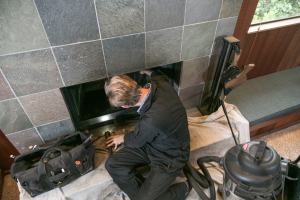
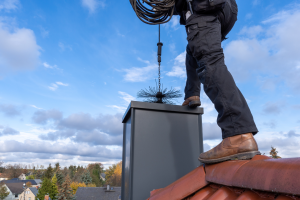
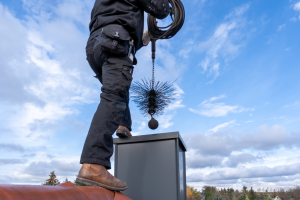
For homes with fireplaces or older heating systems, buildup inside vents or chimneys can also play a role. In fact, services such as Chimney Cleaning Westlake Village are often recommended for households that rely on seasonal heating, especially in areas where indoor comfort matters most during cooler months. When combined with regular home cleaning, this helps reduce unwanted particles in the air.
Hidden Home Sources That Quietly Affect Air Quality
Not all air problems come from obvious places, as many are hidden in everyday items and routines around the home. Common hidden sources include upholstered furniture that traps dust, carpets that hold allergens, kitchen grease particles that float in the air, bathroom humidity that can lead to mold growth, and heating systems that spread fine dust throughout rooms. When these factors combine, they slowly contribute to indoor air concerns without homeowners even realizing it. In places where many homes are designed with cozy insulation for comfort, these issues can build up even faster because airflow is naturally limited during cooler or windy seasons.
One helpful step is improving indoor air maintenance through consistent cleaning schedules, including practices like eco-friendly cleaning that help reduce dust and chemical buildup in the home. Even simple actions like washing curtains or vacuuming with a HEPA filter can noticeably improve respiratory comfort over time. Another important habit is paying attention to how your home “feels” at different times of the day. If the air feels heavier in the evening, it may be a sign that circulation is not working properly. Families who stay proactive often find that their homes not only smell better but also feel lighter and easier to breathe in. This is especially true in Westlake Village, where people spend more time indoors during seasonal changes.
Why Airflow And Cleaning Habits Matter More Than Most People Realize
Air inside a home doesn’t stay still. It moves through rooms, walls, vents, and small spaces. If something blocks that movement, air becomes stale. Good indoor air maintenance helps prevent this by keeping air pathways open and clean. When airflow is smooth, your home naturally supports better respiratory comfort, allowing everyone to breathe easier.
In homes, heating or cooling systems are often used for long hours depending on the season, and without proper maintenance, these systems can circulate dust and allergens instead of filtering them out. Healthy airflow is when fresh air enters through windows or vents, indoor air moves freely between rooms, filters trap dust and allergens effectively, and moisture levels stay balanced. In contrast, poor airflow is when the air feels stuck or heavy, dust settles quickly after cleaning, odors stay longer than expected, and breathing feels uncomfortable indoors.
When airflow is not properly maintained, common indoor air concerns become more noticeable, and families may start feeling tired more often or notice changes in sleep quality. Regular attention to indoor air maintenance helps reduce these issues before they grow, and even simple routines like cleaning vents, checking filters, and scheduling seasonal inspections can support long-term respiratory comfort. In Westlake Village, where comfort and lifestyle matter to many homeowners, maintaining air quality is often seen as part of regular home care rather than an extra task.
Everyday Habits That Improve Indoor Air Naturally
Improving air quality doesn’t always require major changes, as small habits can create noticeable improvements over time. You can open windows for at least 10–15 minutes daily to allow fresh air to circulate, avoid drying clothes indoors for long periods to prevent excess humidity, clean high-touch surfaces regularly to reduce dust buildup, use air-purifying plants where possible to help improve indoor freshness, and replace filters on schedule to keep airflow systems working efficiently. These simple practices help reduce indoor air concerns and support better breathing conditions for everyone at home. Over time, they also strengthen respiratory comfort, especially for individuals sensitive to dust or seasonal changes. In many families, these habits are combined with seasonal deep cleaning routines to maintain consistently fresh and comfortable living spaces.
The Role Of Home Systems In Long-Term Air Quality
Heating, cooling, and ventilation systems all play a major role in how air moves. When these systems are not cleaned properly, they can spread dust instead of removing it. This is why consistent indoor air maintenance is so important. It ensures that your systems are working with clean airflow, not against it.
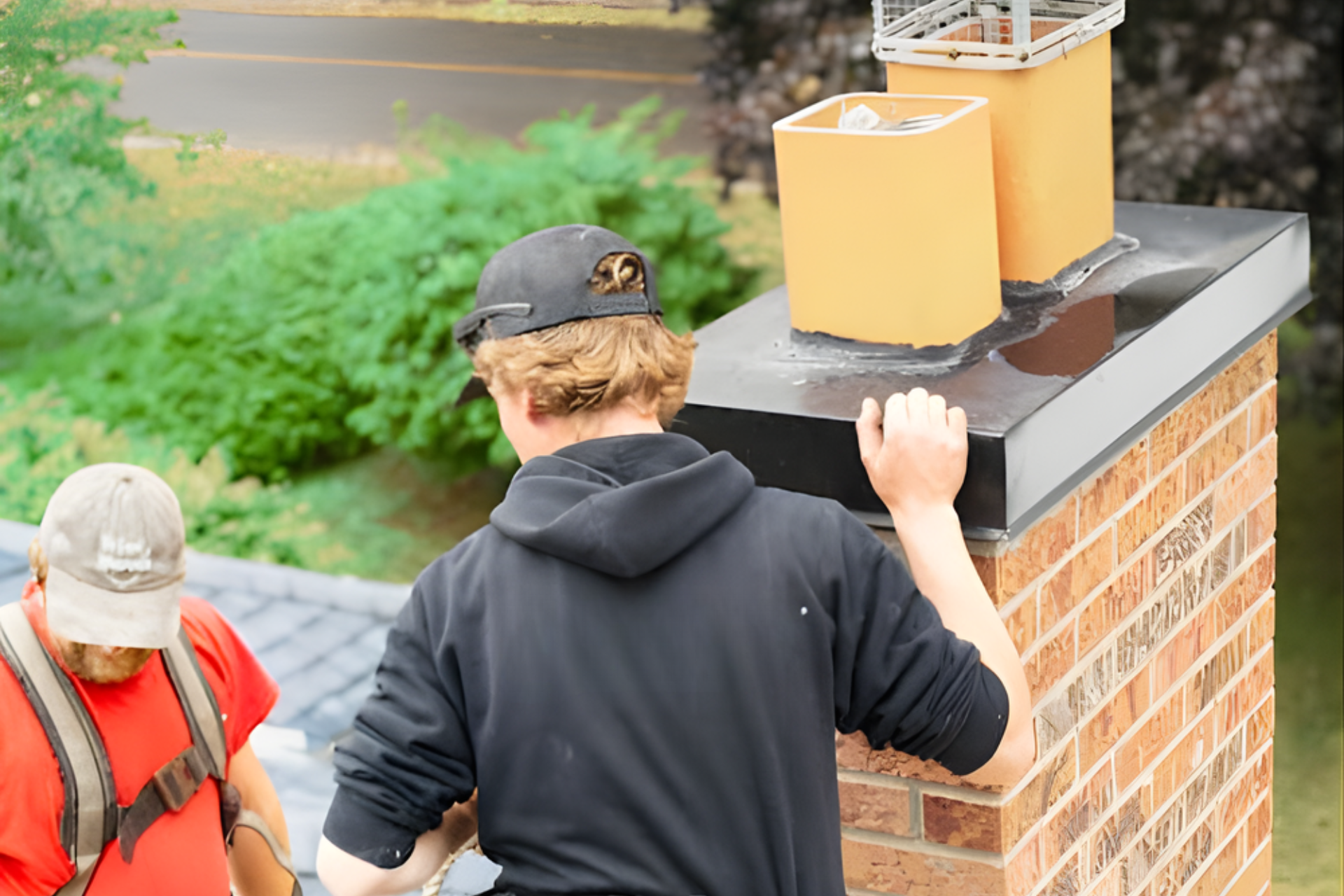
In some homes, especially older ones, chimney and vent systems may also need attention. When neglected, they can contribute to common indoor air concerns that affect the entire household. Proper cleaning and inspection help reduce buildup and improve overall airflow. This directly supports better respiratory comfort, especially during colder months when windows stay closed.