The Strange Reason A Clean Room Can Still Feel Dirty
You vacuum the carpet, wipe the table, and fold the blankets. At first, the room seems fresh again. Then sunlight hits the space just right, and you see tiny particles floating through the air. Suddenly, the room does not feel as clean as it looked a few minutes earlier.
Dust buildup in homes is a common problem for many families. A home can look tidy on the surface while still holding dust in places that are easy to miss. The truth is that dust is not only sitting on shelves or tables. It hides in fabric, settles in corners, and sinks deep into carpet fibers. That is why some homeowners in Agoura Hills feel frustrated when cleaning does not seem to last.
Dust also builds up slowly. You may not notice it day by day. But over time, it collects from clothing, shoes, pets, bedding, paper, and even the air moving through your vents. When those tiny bits keep settling back into the same room, the space starts to feel dull, stale, or unclean.
For many people, the problem is not poor housekeeping. The real issue is not knowing where dust buildup in homes is really coming from.
Why Dust Buildup In Homes Happens Faster Than Most People Think
Most people think dust comes only from outside. They blame open windows, dirty shoes, or windy weather. Those things do matter, but they are only part of the picture.
A large amount of dust starts inside the house. Every day, people and pets create tiny particles without even noticing it. Fabric sheds fibers. Blankets release lint. Pet beds collect fur. Skin cells, crumbs, and dry dirt from the bottom of socks all become part of the mess. Once a fan turns on or someone walks across the room, those particles rise and move again.
Here are a few hidden causes that often get ignored:
- Ceiling fans with dusty blades
- Air vents and filters full of lint
- Curtains and blinds that trap fine particles
- Upholstered chairs and couches
- Stuffed toys and pet bedding
- Baseboards and tight corners
- Rugs and carpeted stairs
- The area under beds and sofas
When all of these spots work together, the room never stays fresh for long. This is one of the biggest reasons dust buildup in homes can return only a day or two after a normal cleaning routine.
Homeowners in Agoura Hills often notice this more during dry days, when light dust and dirt seem to travel faster and settle more often. Even if the windows stay shut, dust can still move from room to room through daily activity.
The Carpet Problem Most Homeowners Do Not Notice
Carpet is one of the biggest dust traps in any house. It feels soft and warm, but it also catches everything that lands on it. Dirt from shoes, pet hair, crumbs, lint, and dry outdoor soil all sink into the fibers. A quick vacuum may remove some of the loose dirt on top, but deeper debris often stays behind.
Carpet is one of the biggest contributors to dust buildup in homes. In fact, some carpets look clean while holding days or even weeks of buildup below the surface. Then, every time someone walks across the room, that hidden material gets disturbed again.
Think about what happens in a busy living room:
- Family members walk in from outside
- Dust and dirt settle into the carpet
- Kids play or pets roll around
- The particles get pushed deeper
- Foot traffic stirs some of it back into the air
This cycle keeps repeating. Over time, the room starts to feel dusty no matter how often you straighten up. In homes across Agoura Hills, this is one reason carpeted rooms often feel less fresh than tile or hardwood areas. The carpet is not causing the problem by itself, but it is holding onto more than people realize.
Soft Surfaces That Quietly Spread Dust Around The Room
Carpet is not the only thing collecting dust. Soft household items are some of the biggest trouble spots because they grab particles and release them later.
Common dust-holding surfaces include:
- Sofa cushions
- Decorative pillows
- Heavy curtains
- Fabric headboards
- Laundry baskets
- Area rugs
- Pet blankets
- Closets full of clothes and shoes
These soft surfaces also contribute to dust buildup in homes without being noticed. A blanket may look fine but still release fibers into the air every time it is shaken out. A couch may seem clean while trapping hair, lint, and dry skin under the cushions.
This matters because people usually clean the easy spots first. They wipe the coffee table, sweep the floor, and move on. Meanwhile, the soft surfaces keep feeding dust back into the room. If your house still feels stale after regular cleaning, these hidden fabric areas may be the reason.
Simple Ways To Reduce Dust Before It Takes Over
The good news is that dust problems can improve with small, steady habits. You do not need to clean all day. You simply need to focus on the places where dust hides and spreads.
Here are practical ways to reduce dust indoor without making your routine harder:
- Vacuum slowly instead of rushing
- Clean in two directions over carpeted areas
- Wash blankets, pillow covers, and curtains often
- Wipe fan blades and vent covers
- Replace or check air filters regularly
- Keep shoes near the door
- Vacuum under furniture, not just around it
- Clean pet beds and fabric toys often
These simple steps can help reduce dust buildup in homes and keep rooms feeling cleaner longer. Another smart step is to stop dust before it spreads. Use entry mats, shake out small rugs, and avoid letting outdoor dirt travel deep into the home. For many families in Agoura Hills, that simple habit makes a bigger difference than expected.
When Regular Cleaning Is Not Enough Anymore
There comes a point when daily or weekly chores stop being enough. You vacuum, but the room still smells dusty. You wipe surfaces, but the film comes back quickly. You clean the house, but it never feels truly refreshed.
Fast-returning dust
If furniture and floors look dusty again within a day or two, hidden buildup may still be sitting in the carpet and fabrics.
Traffic lanes in the carpet
When certain paths look darker or feel rougher, dirt may be packed deep into the fibers.
A stale smell in one room
Sometimes the smell is not coming from the air at all. It is trapped lower in rugs, carpet, or upholstery.
More sneezing indoors
Dusty rooms can feel heavier, especially when people sit, walk, or play on carpeted areas.
This is often when homeowners start looking fortrusted cleaning help because routine vacuuming alone is no longer giving them the clean feeling they want.
Why Deeper Carpet Care Can Change The Whole Feel Of A Home
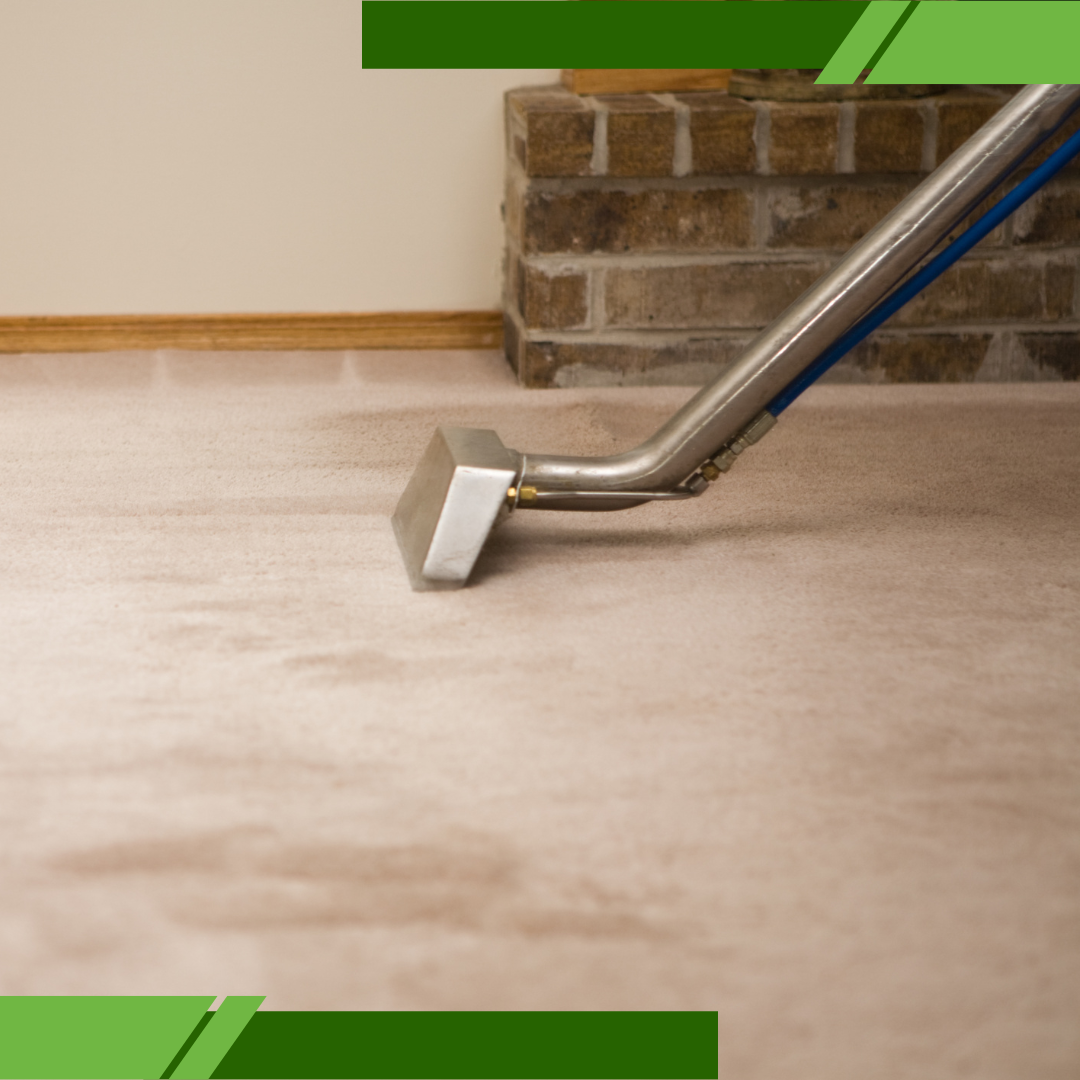
A room feels better when the hidden dirt is removed, not just the visible dust. This helps break the cycle of dust buildup in homes. When more trapped debris is lifted out, the room often feels lighter, cleaner, and less stale. This is especially helpful in busy homes with children, pets, guests, or heavy foot traffic.
A Cleaner Home Starts With Knowing Where Dust Hides
The biggest mistake people make is cleaning only what they can easily see. Dust buildup in homes is often caused by hidden sources like carpet, fabric, corners, and airflow. That is why dust buildup in homes is often more about hidden sources than obvious mess. Once you know where those hidden sources are, it becomes easier to make the room feel clean again.
If your carpets are holding onto more dirt than they should, looking into Carpet Cleaning Agoura Hills may be the right move. It can help remove what daily cleaning leaves behind and restore that fresher feeling many homeowners want.
A clean home is not only about what looks good from across the room. Reducing dust buildup in homes is what helps a space feel truly fresh, comfortable, and healthy.