The Hidden Connection Between Home Cleanliness and the Air You Breathe
When people think about feeling comfortable at home, they often think about soft furniture, calm lighting, or quiet surroundings. But one of the biggest factors is something you cannot always see: air quality. The way your home is cleaned each day plays a huge role in how easy it is to breathe. Dust builds up slowly, and over time, it can affect your lungs, your sleep, and even your mood.
Many homeowners notice that even with windows open, the air can still feel heavy. This is because dust collects in places we often forget, like vents, carpets, and chimneys. By focusing on simple habits and proven dust reduction tips, you can create a space that feels lighter and healthier every day.
Why Dust Builds Up Faster Than You Think
Dust is not just dirt. It is a mix of tiny particles like dead skin, fabric fibers, pollen, and even outdoor pollutants that sneak inside. In areas like Topanga, where nature and dry air mix, dust can settle quickly on surfaces without being noticed right away.
Behind Furniture and Under Beds
These areas are often out of sight, which makes them easy to forget during regular cleaning. Large furniture like sofas, cabinets, and beds blocks airflow, allowing dust, pet hair, and debris to settle undisturbed. Under beds, in particular, can collect layers of dust mixed with fabric fibers from bedding and clothing. Every time you move or sit down, some of that dust gets pushed back into the air. Behind furniture, the lack of movement means dust builds up slowly but steadily over time, sometimes forming thick layers if left untouched.
Inside Carpets and Rugs
Carpets and rugs act like filters in your home. While that sounds helpful, it also means they trap dust, dirt, pollen, and even tiny particles you bring in from outside. Each step presses these particles deeper into the fibers, making them harder to remove with simple sweeping. Over time, dust accumulates beneath the surface, not just on top. This hidden buildup can affect indoor air when you walk across the carpet, releasing particles back into the air with every step.
Air Vents and Ceiling Fans
Air vents and ceiling fans play a big role in circulating air, but they can also spread dust if not cleaned regularly. Dust collects inside air vents as air passes through them, especially if filters are not changed often. When the system runs, it can push that dust throughout your home. Ceiling fans, on the other hand, gather dust on their blades. When turned on, the spinning motion can scatter those particles into the air, undoing your cleaning efforts and making the room feel dusty again.
Chimneys and Fireplaces
Chimneys and fireplaces are natural dust collectors due to their design and function. Ash, soot, and debris can build up inside, especially if they are used frequently. Even when not in use, these spaces can trap dust from the surrounding air. Without proper cleaning, fine particles can drift back into your home, especially when there is airflow or when the fireplace is disturbed.
When these areas are ignored, dust begins to circulate in the air. Every time you walk across a room or turn on a fan, those particles lift back into the air you breathe. This makes better breathing indoors harder to achieve, even if your home looks clean on the surface.
A simple routine can make a big difference. Wiping surfaces daily and vacuuming regularly helps reduce buildup before it spreads. Over time, these small actions improve your overall home cleanliness and make your space feel fresher.
Simple Daily Habits That Improve Air Quality
Creating a healthier home does not require complicated steps; it starts with consistency. Small daily habits can make a big difference when it comes to controlling dust and improving airflow. Simple routines like opening windows in the morning to let fresh air circulate, using a damp cloth instead of a dry one when dusting, and vacuuming high-traffic areas at least twice a week all help keep dust under control. You can also shake out rugs and cushions outside to remove trapped particles and keep shoes at the door to avoid bringing dust indoors. Over time, these easy habits work together to create a cleaner, fresher, and more comfortable living space.
The Role of Chimneys in Indoor Air Quality
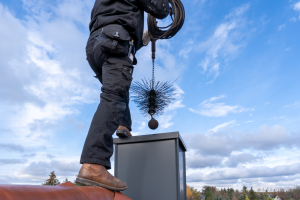
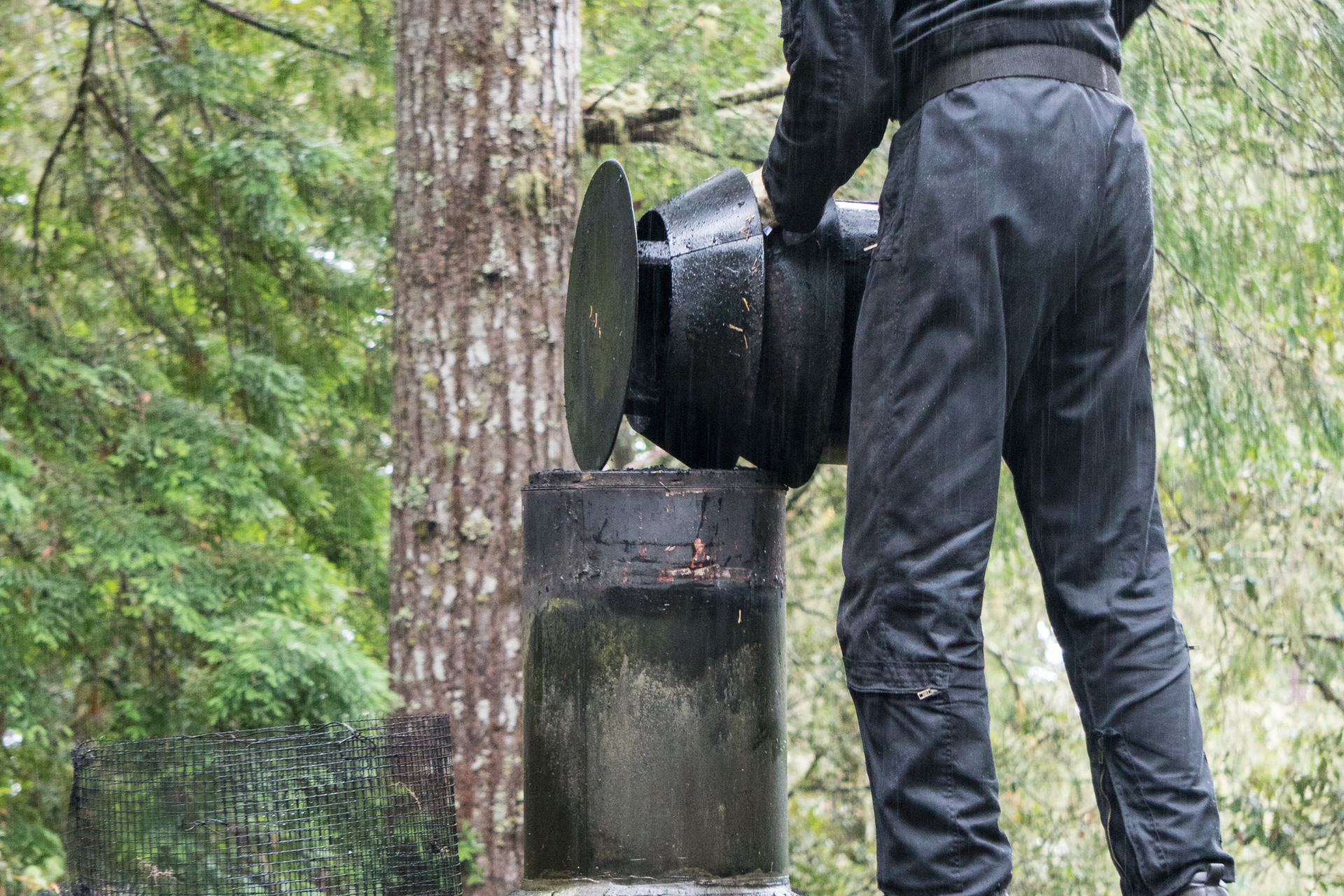
One area that many people forget to clean is the chimney. While it may not seem like a major source of dust, it actually plays a big role in how air moves through your home. Over time, soot, ash, and debris build up inside the chimney walls. In Topanga homes, where fireplaces are often used during cooler months, this buildup can block airflow and push particles back into the room. This not only affects air quality but can also create unpleasant odors.
It is important to note that Chimney Cleaning Topanga is not just about maintenance. It is about protecting your indoor environment. Clean chimneys reduce the spread of dust and support healthier breathing for everyone inside.
Dust Reduction Tips That Truly Make a Difference
Not all cleaning methods are equal, and some can simply move dust around instead of truly removing it. That is why using the right dust reduction tips is important for lasting results. Effective approaches include using microfiber cloths that trap dust instead of spreading it, installing air filters and replacing them regularly, and vacuuming with HEPA filters to capture finer particles. It also helps to clean curtains, blinds, and upholstery often, since these fabrics easily hold dust. For a deeper level of cleanliness, scheduling occasional deep cleaning for carpets and chimneys can remove buildup that regular routines might miss, helping maintain a fresher and healthier home environment.
These dust reduction tips are easy to follow and can fit into your weekly routine. Over time, they help reduce airborne particles and create a healthier space. In Topanga, where outdoor dust can easily enter homes, these steps are especially helpful. They not only improve cleanliness but also support better breathing indoors for the whole family.
How Home Cleanliness Affects Your Health
A clean home is not just about appearance; it directly affects how you feel each day. When dust levels are high, people may experience sneezing and coughing, a dry throat or itchy eyes, trouble sleeping, and even increased allergies. Maintaining strong home cleanliness helps reduce these problems because your body does not have to work as hard to filter out harmful particles. Using natural cleaning solutions can further support a healthier space by reducing exposure to harsh chemicals while still effectively removing dust and buildup. Imagine walking into your home after a long day and feeling that the air is light and fresh; that is the result of consistent care and attention to detail. In many places, creating this kind of environment can make a noticeable difference in daily comfort.
Cleaner Air and Healthier Living
Your home should be a place where you can relax and breathe freely. By focusing on simple habits and proven dust reduction tips, you create a space that supports your well-being every day. From daily cleaning routines to professional chimney care, each step plays a role in improving air quality. In areas like Topanga, where dust can easily build up, these efforts are even more important. Remember, better breathing indoors starts with small changes. Keep your home clean, stay consistent, and pay attention to hidden areas like chimneys and carpets. Over time, these actions will transform your living space into a healthier and more comfortable place for you and your family.