Understanding Energy Loss: How Hidden Areas Drain Your Home’s Efficiency
Every time you flip a switch or turn on the heater, your home uses energy. Some of that energy helps keep you comfortable. But a lot of it can leak or go to waste without you even knowing. Today, we’re going to explore hidden areas affecting energy efficiency in homes. You’ll learn how small fixes can save big on bills and make your home more comfortable year‑round.
Energy efficiency might sound like a big phrase, but it simply means using less energy to do the same job. When your home is energy efficient, you waste less power and that means lower bills and less stress. The trouble is, many parts of your home quietly let energy slip away. Let’s uncover those hidden spots and talk about how to fix them.
Hidden Areas Affecting Energy Efficiency: Attic and Roof Leaks
Your attic might be one of the biggest contributors to heat loss. Because it’s out of sight, roof and attic leaks aren’t something most homeowners check regularly, but they can be big hidden areas affecting energy efficiency. Common issues include poor insulation, which allows heat to escape through the roof in winter and pour in during summer, air leaks from tiny gaps around vents, ducts, and wiring, and roof damage such as missing shingles, cracks, or holes that let outside air and moisture enter. Home insulation matters a lot because more insulation in the attic creates a sturdier barrier between your living space and the outdoor temperature.
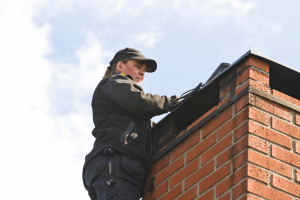
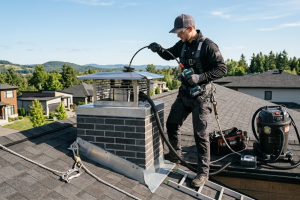
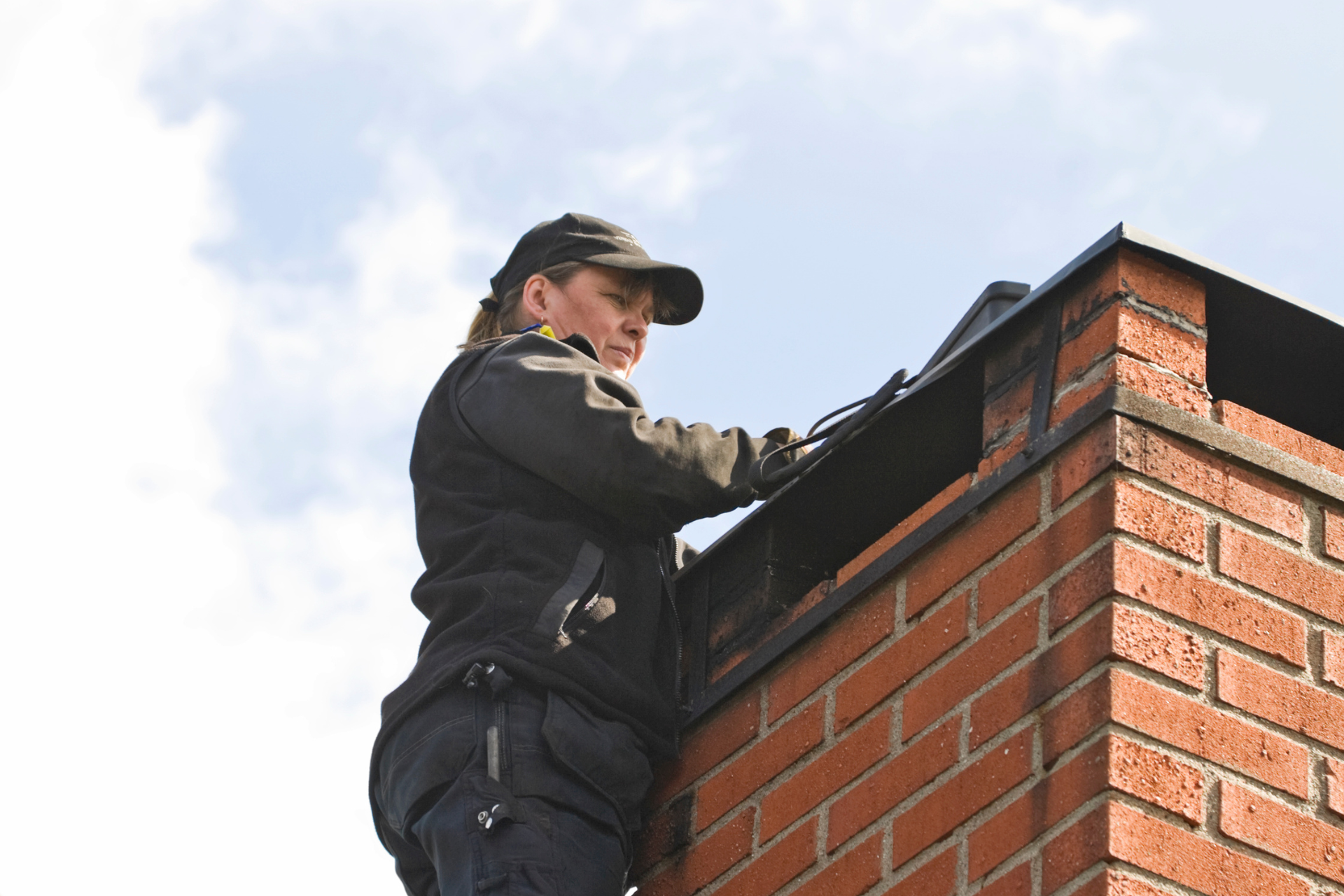
Some helpful home insulation tips are adding or topping up insulation in the attic, sealing around light fixtures and fan openings, and placing weather stripping around attic doors. If these areas aren’t properly maintained, your heating and cooling system has to work harder, consuming more energy and raising your bills. Speaking of things hidden above your ceiling, one area often overlooked in Westlake Village is your chimney, which, if not maintained, can let precious warm or cool air escape from your home. Hiring professionals who offer eco-friendly cleaning services for chimneys ensures both energy efficiency and a safer, healthier home environment.
Drafty Doors and Windows
Most people notice drafts at windows or doors, but not everyone stops to think about how much energy is lost through them. Even with modern windows, tiny gaps can let cold or warm air slip through. Heat naturally flows from warm to cold areas, which means in winter, warm air from inside moves outside through gaps, and in summer, hot air moves inside. Single‑pane windows are much less efficient than double or triple panes, and old or warped frames often fail to seal properly. To reduce energy waste home‑wide, homeowners in Westlake Village can replace old or damaged weather stripping around doors and windows, use caulk to seal small gaps around window frames, and, if the budget allows, consider installing energy‑efficient windows. By sealing leaks and adding insulation around these openings, you can keep your home more comfortable while using less energy.
Floors, Basements, and Crawl Spaces
We often forget the floor beneath our feet when thinking about energy efficiency, but cold air can sneak up from basements or crawl spaces and mix with your warm floorboards, forcing your heater to work harder even if you don’t notice it right away. Common trouble spots include uninsulated floors, where gaps between floorboards or low insulation let air flow freely; basement cracks, which allow drafts through small cracks in foundation walls or floors; and crawl space vents, which, while necessary for airflow, can let outdoor air affect the temperature inside. To improve efficiency, home insulation tips include sealing foundation cracks with foam or masonry caulk, adding insulation to the floor joists above cold areas, and closing unnecessary vents or covering them with insulation in winter. Addressing these hidden areas affecting energy efficiency helps your heating and cooling systems operate more efficiently, saving energy and reducing costs.
Chimneys: An Energy-Draining Culprit
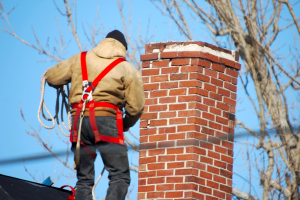
Chimneys may look solid, but they can be surprisingly leaky. If your fireplace isn’t used often, the chimney acts like a big open tube to the outdoors, allowing a steady loss of conditioned air. Open flues let warm air escape in winter and cool air escape in summer, while cracks in the chimney structure allow drafts and moisture to enter. Damaged dampers can also fail to seal properly when the fireplace is not in use. Without proper sealing or maintenance, your home could be losing heat faster than you realize. This is why many homeowners in Westlake Village seek professional services like Chimney Cleaning Westlake Village to inspect and fix these hidden leaks. Regular cleaning and sealing help block these pathways, so your heating or cooling system doesn’t have to work as hard.
Plumbing and Ductwork
Your home’s plumbing vents and ductwork are often hidden like underground tunnels, making them easy to forget, but they can cause significant energy loss. Common air duct problems include loose connections that leak conditioned air into wall spaces, crushed or bent ducts that restrict airflow, and unsealed ducts that waste heated or cooled air before it reaches rooms. To keep these systems efficient, homeowners in Westlake Village should inspect ducts every year, especially in attics and crawl spaces, use metal tape (not cloth tape) to seal joints, and consider professional duct sealing for the best results. Plumbing vents that poke through your roof or walls can also let drafts in, so filling gaps around these vents with foam insulation helps prevent outside air from entering and keeps your home more energy efficient.
Everyday Tips to Keep Energy from Escaping
Now that you know the hidden spots, here are some easy steps to keep your home tight and efficient:
Seal Gaps with Caulk or Foam Around Windows, Doors, and Vents
Filling small cracks and gaps prevents warm or cool air from escaping, keeping your home more comfortable and reducing energy waste.
Upgrade Insulation in Attics, Walls, and Floors
Adding or improving insulation helps maintain a consistent indoor temperature, reducing the workload on your heating and cooling systems.
Check Weather Stripping at all External Doors
Worn or missing weather stripping lets drafts in; replacing it seals doors tightly to prevent energy loss.
Schedule Regular Maintenance for Chimneys, Vents, and Ducts
Routine inspections and cleaning ensure these hidden areas aren’t leaking air, helping your HVAC system run efficiently.
Use Draft Stoppers Under Doors that Lead Outside or to Unheated Spaces
Placing draft stoppers at the base of doors blocks unwanted air flow, preventing heat or cool air from escaping.