Tackling Dust and Allergen Health Risks
The real danger to your health may be hiding in plain sight: your own home. Home dust and allergen health risks often go unnoticed but can trigger allergies, breathing issues, and fatigue. Dust isn’t just dirt; it’s a mix of pet dander, pollen, and mold that builds up over time. Understanding these hidden hazards is the first step to keeping your home clean, healthy, and safe in Tarzana.
Understanding the Threat of Dust and Allergens
When we think about health hazards, we often focus on pollution, processed food, or germs in public spaces. However, one of the most overlooked dangers is right inside our homes. Home dust and allergen health risks are silent yet serious threats that can impact your family’s well-being in Tarzana.
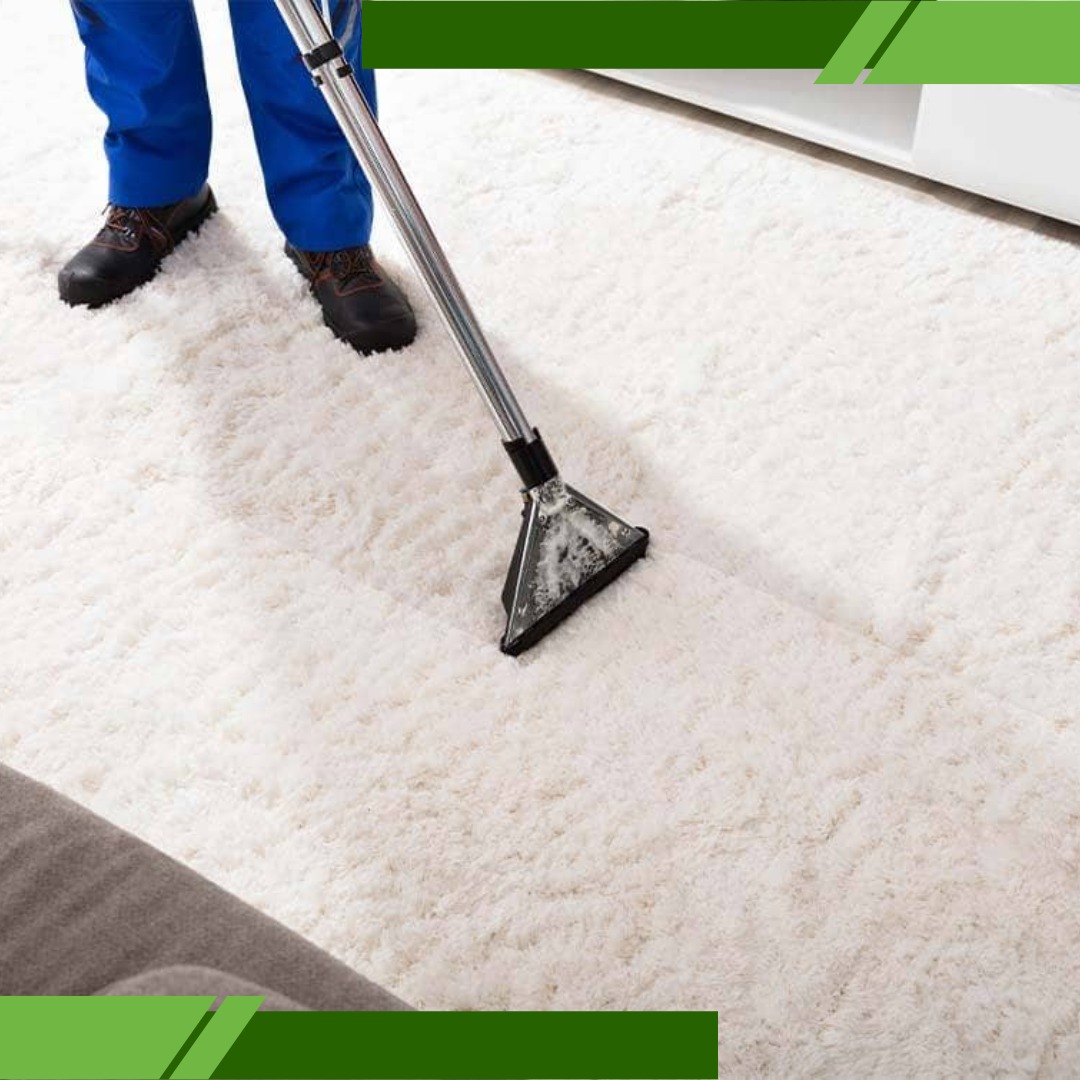
Dust isn’t just dirt; it’s a combination of dead skin cells, pet dander, dust mites, mold spores, pollen, and fine fabric fibers. Over time, these particles accumulate, turning your home into a breeding ground for irritants that trigger sneezing, coughing, itchy eyes, and long-term respiratory issues. Regular rug cleaning plays a crucial role in reducing allergens at home, as rugs tend to trap these harmful particles and release them into the air if not properly maintained.
Health Impacts of Allergens in Your Home
Allergens in your Tarzana home can silently affect your health in more ways than you might realize. Dust mites, pet dander, mold spores, and pollen often settle in rugs, furniture, and bedding, triggering allergic reactions and respiratory problems. For many people, these invisible particles can lead to symptoms such as sneezing, coughing, watery eyes, and skin irritation.
How Household Allergens Affect Your Health
- Respiratory Problems
Allergens can cause sneezing, coughing, congestion, and worsen asthma or sinus issues.
- Allergic Reactions
Itchy eyes, runny nose, rashes, and skin irritation are common responses to indoor allergens.
- Poor Sleep
Nighttime exposure to allergens can lead to snoring, restlessness, and morning congestion.
- Skin Irritation
Mold and pet dander may trigger eczema, redness, or itchiness.
- Weakened Immunity
Long-term exposure can stress your immune system, increasing fatigue and infection risk.
Effective Ways to Control Home Dust and Allergen Health Risks
Controlling dust in your house doesn’t take major effort. Regular HEPA vacuuming, weekly washing of bedding and rugs, and using air purifiers help reduce allergens. Grooming pets, decluttering, and keeping humidity between 40–50% also prevent buildup. For a deeper clean, Rug Cleaning Tarzana helps keep your rugs and upholstery fresh, making your home healthier and more comfortable.
Long-Term Benefits and Proactive Measures
Reducing allergens at home brings lasting benefits, fewer allergy flare-ups, better sleep, and improved well-being. Focus on cleaning hotspots like rugs, bedding, and furniture, and use air purifiers or dehumidifiers where needed. Encourage simple habits like removing shoes at the door and washing hands often. With consistent care, you can keep your home clean, safe, and comfortable for everyone.
Creating a Healthier Living Space
Managing home dust and allergen health risks in Tarzana is key to protecting your family’s well-being. With regular cleaning, rug care, and air-quality maintenance, you can reduce hidden irritants and improve daily comfort. A few consistent habits go a long way toward keeping your home fresh, safe, and healthy year-round.
What People Usually Ask:
1. How often should I clean to reduce allergens at home?
Regular cleaning is essential. Vacuum at least twice a week, wash bedding weekly, and dust surfaces frequently.
2. Can pets make indoor allergens worse?
Yes. Pet dander is a common allergen. Grooming pets and restricting them from bedrooms helps reduce exposure.
3. Are air purifiers effective against dust and allergens?
Absolutely. HEPA-filtered air purifiers can trap fine particles, significantly improving indoor air quality.
4. How does humidity affect allergens?
High humidity promotes dust mites and mold growth. Keep humidity between 40–50% to control allergens.
5. Is it necessary to remove all rugs to reduce dust?
Not necessarily. Regular cleaning and vacuuming can manage allergens in rugs without needing full removal.