
Why Indoor Air Quality Matters and How Everyday Habits Keep Homes Fresh
Most people think the air inside their home is always safe. But over time, dust, smoke, cooking smells, and hidden dirt can build up. This can make the air feel heavy and uncomfortable. When that happens, simple daily habits can help bring fresh air back into your home. Even small changes can make a big difference for your family’s comfort and health.
Homes often deal with changing weather, dust from outside, and closed windows during cooler months. In Westwood, many families notice that indoor air feels stuffy when they don’t clean or ventilate regularly. That’s why learning simple habits for cleaner air is important for every home, especially in busy neighborhoods, where dust and movement are part of daily life.
Simple Steps for Indoor Air Quality Improvement at Home
One of the best ways to start indoor air quality improvement is by understanding what affects your air. Everyday activities like cooking, cleaning, and even walking inside your home can release tiny particles into the air. These particles build up slowly, and you may not notice them right away.
A good way to improve your space is to follow simple routines such as opening windows early in the morning to let in fresh airflow, using natural cleaning products instead of strong chemicals, and keeping shoes outside to avoid bringing dirt indoors. It also helps to dust surfaces at least twice a week and change bedsheets regularly to reduce the buildup of dust and allergens. These small actions support clean air tips that help your home feel lighter and fresher. Many families also notice that when they keep a regular cleaning schedule, breathing feels easier and rooms smell cleaner.
In area, where outdoor dust can easily enter homes, these habits become even more important. Over time, consistent care leads to better comfort and a more peaceful home environment.
Everyday Habits That Help You Breathe Better Indoors
Improving your indoor air is not just about deep cleaning. It is also about daily habits that prevent dirt from building up. This is where simple routines make a big difference.
Letting Sunlight in During the Day to Reduce Damp Air
Natural sunlight helps reduce moisture buildup inside your home. When rooms stay dark and closed for long periods, damp air can lead to musty smells and even mold growth. Opening curtains and letting sunlight in helps keep indoor spaces drier, fresher, and more comfortable to breathe in.
Cleaning Air Filters in Fans and Air Conditioners
Air filters trap dust, dirt, and allergens over time. If they are not cleaned regularly, they can spread these particles back into the air you breathe. Washing or replacing filters helps your fans and air conditioners work better while improving overall indoor air quality.
Wiping Down Kitchen Counters After Cooking
Cooking can release grease, smoke, and food particles into the air and onto surfaces. Wiping counters after cooking prevents buildup that can attract bacteria and create unpleasant odors. This simple habit helps keep your kitchen cleaner and the air fresher.
Keeping Indoor Plants for Natural Freshness
Indoor plants can help improve the feel of your space by adding natural freshness and moisture balance. While they are not a complete air-cleaning solution, they can contribute to a more relaxing and pleasant indoor environment when properly cared for.
Avoiding Smoking Indoors
Smoking indoors releases harmful chemicals and lingering odors that can stick to walls, furniture, and fabrics. These pollutants significantly lower indoor air quality and can affect breathing comfort. Keeping smoking outdoors is one of the most effective ways to maintain cleaner, healthier indoor air.
These habits also help you reduce allergens home, especially for families with kids or pets. Allergens like dust and pet hair can float in the air and trigger sneezing or coughing. When you clean regularly, you stop these particles from spreading. In homes, where families often keep windows closed due to weather or traffic noise, air circulation becomes even more important. A simple habit like opening windows for 10–15 minutes can refresh the entire space.
Hidden Areas That Affect Air Without You Noticing
Many homeowners think cleaning visible surfaces is enough, but hidden areas inside your home can also affect air quality because dust and dirt often collect in places you rarely check. These common hidden spots include behind furniture like beds and sofas, inside air vents and filters, curtains and thick fabrics, ceiling fans and light fixtures, and chimney and fireplace areas. If these areas are not cleaned, they can slowly release dust back into the air over time. This is where clean air tips become very helpful, as a deeper cleaning schedule once or twice a month can help maintain a healthier environment.
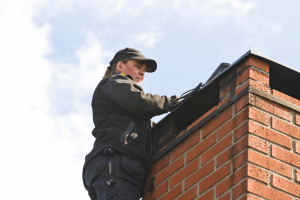
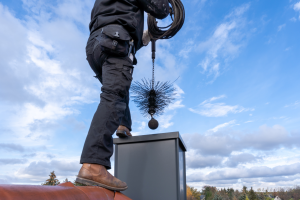
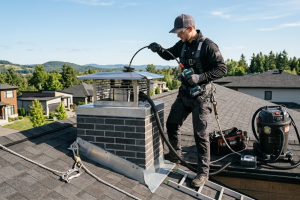
You should also focus on reducing allergens in your home strategies, especially if someone in your family has allergies, since simple actions like washing curtains, vacuuming under furniture, and cleaning vents can significantly reduce irritation and improve overall indoor comfort. Older homes often have fireplaces that are not used often but still collect dust and soot. This is where services like Chimney Cleaning Westwood become very useful. A clean chimney helps prevent dust buildup that can affect indoor air quality. Another important note is that homes in Westwood may experience seasonal dust changes. Windy days can bring more particles inside, so regular cleaning becomes even more important.
How Ventilation and Chimneys Affect Indoor Air Quality
Good airflow is one of the most important parts of a healthy home. Without it, air becomes stale and heavy. This is why ventilation and chimney care play a big role in keeping your home fresh. When we talk about indoor air quality improvement, we must also think about how air moves in and out of the house, because if air stays trapped, it carries dust and odors for longer periods. Simple ways to improve ventilation include opening doors between rooms for cross-airflow, using exhaust fans in kitchens and bathrooms, cleaning chimney openings to remove soot buildup, and avoiding blocking air vents with furniture.
In Westwood homes, fireplaces are sometimes used during cooler nights, but if not cleaned properly, chimneys can trap smoke particles that eventually affect the entire home’s air quality. That is why chimney maintenance is not just about safety; it also supports cleaner indoor air and can be complemented by eco-friendly cleaning practices that reduce the buildup of harmful residues without introducing harsh chemicals into the home. Families often notice a big difference after regular chimney cleaning, as the air feels fresher and cooking or smoke odors do not stay as long indoors. Good airflow is one of the simplest clean air tips that anyone can follow, and it costs nothing but provides long-term benefits for a healthier home environment.
Daily Routines That Support a Healthier Living Space
Clean air is not something you achieve once; it is something you maintain daily, and building simple habits can help you enjoy better air every day. A good routine can include opening windows in the morning to let fresh air in, wiping surfaces and removing dust in the afternoon, vacuuming floors and cleaning common areas in the evening, washing fabrics and cleaning vents weekly, and doing a deeper clean of hidden spaces monthly.
These routines help you reduce allergens at home without much effort, and even 10–15 minutes a day can make a noticeable difference. People often forget that air quality affects sleep, mood, and energy, and in Westwood, where daily life can be busy and fast-paced, a clean indoor space brings calm and comfort after a long day. You can also follow simple clean air tips like avoiding strong sprays, using natural scents like lemon or eucalyptus, and keeping indoor humidity balanced. Over time, these habits become part of your lifestyle, and that is the real goal of indoor air quality improvement, not just a clean home, but a healthier way of living.