Simple Home Habits That Support Cleaner Air And Everyday Allergy Relief
Seasonal allergies can turn a peaceful home into an uncomfortable place. Many families in Mount Wilson notice more sneezing, itchy eyes, coughing, and congestion during dry and windy months. Pollen, dust, pet hair, and smoke particles can easily enter the home and stay trapped indoors. That is why creating a simple cleaning routine can make a huge difference for comfort and health.
A clean home does more than improve appearance. It supports healthier breathing, better sleep, and a calmer environment for everyone in the house. Many homeowners in Mount Wilson are now paying closer attention to their daily habits because they want cleaner spaces and fewer allergy problems throughout the year.
Indoor Cleaning Practices That Keep Allergens Under Control
The most effective cleaning practices start with consistency. Allergens build up slowly, especially in areas people forget to clean. Dust settles behind furniture, pet hair sticks to fabrics, and pollen can enter through open windows and shoes. Without regular cleaning, these particles continue floating through the air every day.
Vacuuming Carpets And Rugs At Least Twice A Week
Carpets and rugs can trap dust, pollen, pet dander, and tiny particles that float in from outside. When people walk across these surfaces, the allergens can rise back into the air and trigger sneezing or coughing. Vacuuming at least twice a week helps reduce the buildup and keeps indoor spaces fresher. Using a vacuum with a HEPA filter is even more effective because it captures smaller particles instead of releasing them back into the room. This simple habit is one of the most effective indoor cleaning practices for families dealing with seasonal allergies.
Washing Bedding In Warm Water Every Week
Beds collect sweat, dust mites, skin particles, and pet hair over time. Since people spend many hours sleeping, dirty bedding can worsen allergy symptoms during the night and early morning. Washing pillowcases, blankets, and sheets in warm water every week helps remove allergens that settle into fabric. Clean bedding can also improve sleep quality and create a more comfortable environment for the whole family.
Cleaning Ceiling Fans And Vents Regularly
Ceiling fans and air vents often collect layers of dust that go unnoticed. Once the fan or air system is turned on, those particles spread throughout the home. Regular cleaning prevents dust from circulating and improves indoor air quality. Wiping fan blades carefully and vacuuming air vents can reduce airborne allergens and help rooms feel cleaner and fresher every day.
Wiping Surfaces With Damp Cloths Instead Of Dry Dusters
Dry dusters sometimes move allergens around rather than fully removing them. Dust particles can float back into the air and settle on other surfaces in the room. Using a damp cloth traps dust more effectively and keeps it from spreading. This method works well for tables, shelves, countertops, and electronics. It is a simple but powerful cleaning habit that supports allergy symptom relief inside the home.
Removing Shoes Before Entering The Home
Shoes can carry pollen, dirt, bacteria, and outdoor debris into living spaces. These particles often end up on floors, carpets, and furniture, making allergy problems worse indoors. Creating a no-shoes policy helps limit the amount of outside allergens entering the house. Many families place a shoe rack near the entrance to encourage cleaner habits and maintain healthier indoor spaces.
Keeping Pets Groomed And Clean
Pets can bring pollen and dust into the home through their fur, especially after spending time outdoors. Regular grooming helps reduce shedding, dander, and trapped allergens. Bathing pets when needed and brushing them frequently can make a noticeable difference in indoor cleanliness. Keeping pet bedding clean also helps reduce allergy triggers and creates a healthier environment for both pets and family members.
Creating A Cleaner Bedroom For Better Sleep
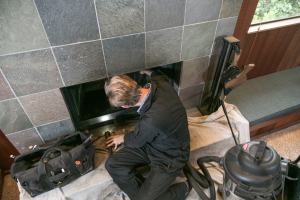
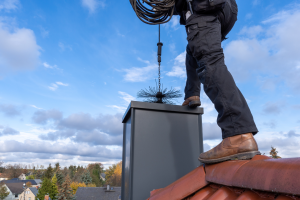
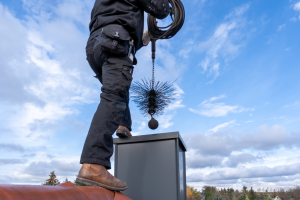
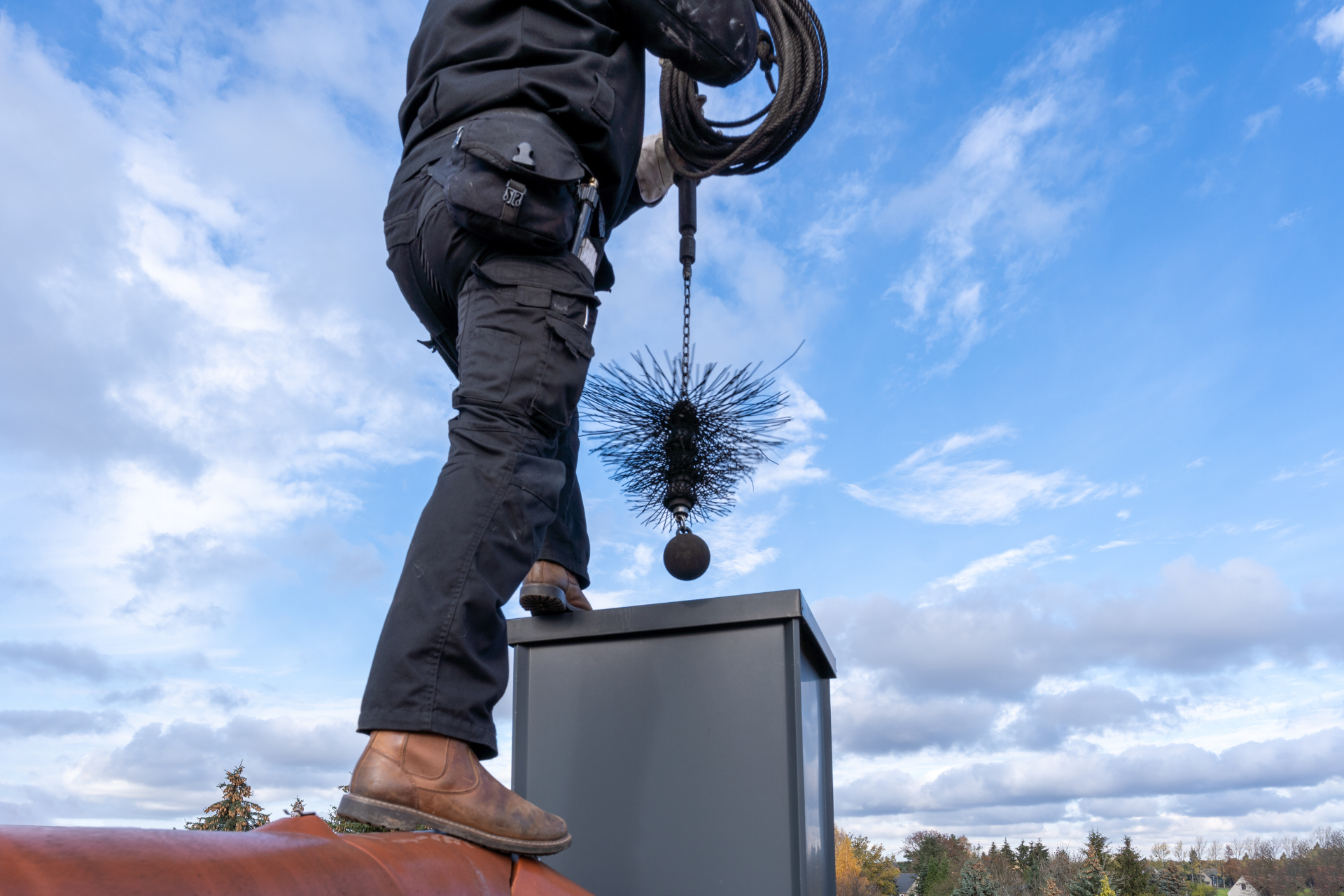
The bedroom should feel like a safe and relaxing place, especially for people who suffer from allergies. Unfortunately, bedrooms can collect a surprising amount of dust because of bedding, curtains, pillows, and fabric furniture. Good indoor cleaning practices inside the bedroom can greatly improve sleep quality by reducing nighttime coughing, congestion, and sneezing. A cleaner sleeping area helps create a more relaxing environment, allowing family members to wake up feeling more rested and energized throughout the day. Simple habits such as washing pillowcases every few days, vacuuming mattresses regularly, and replacing old pillows when needed can help reduce the buildup of dust, allergens, and skin particles. Some homeowners also go beyond routine cleaning and schedule maintenance services like Chimney Cleaning Mount Wilson, especially in homes where fireplaces may contribute to indoor dust and fine debris buildup over time.
Many homeowners also prefer washable curtains instead of heavy drapes because they are easier to clean and less likely to trap dust. Dusting bedside tables, lamps, and nearby surfaces weekly also helps prevent allergens from spreading through the room. Some families take extra steps by using allergy-proof covers for pillows and mattresses, which can help block dust mites, one of the most common indoor allergy triggers. Humidity levels also matter inside bedrooms. Air that is too dry can irritate the nose and throat, while too much moisture encourages mold growth. A balanced humidity level helps support healthier indoor air and improves comfort during allergy season.
Many homeowners forget that air vents near the bedroom can collect dust over time. Dirty vents continue spreading particles every time the air conditioning or heater turns on. Cleaning these vents regularly can support allergy symptom relief and improve overall airflow.
Daily Habits That Help Maintain Healthier Indoor Air
Many people focus only on deep cleaning, but daily habits matter just as much. Small actions repeated every day prevent allergens from building up too quickly. One important habit for maintaining a healthier indoor environment is controlling what enters the home. Shoes, jackets, bags, and even pets can carry pollen, dust, and outdoor debris inside, allowing allergens to spread throughout living spaces. Creating a simple entryway cleaning routine can greatly reduce the amount of dirt and particles brought into the house each day. Many families make it a habit to remove shoes near the door, hang jackets away from bedrooms, and sweep entry floors often to prevent buildup.
Using washable floor mats also helps trap dirt before it reaches other areas of the home. For pet owners, wiping pet paws before entering can reduce the amount of outdoor allergens carried onto floors and furniture. These small but effective habits are especially helpful during windy days in Mount Wilson, when pollen and airborne particles can increase very quickly.
Vacuum choice also matters. Some older vacuums release dust back into the air while cleaning. Modern vacuums with HEPA filters help trap tiny particles more effectively. This supports healthier indoor air and makes cleaning more effective overall.
Another common mistake is using strong chemical sprays too often. Heavy fragrances may irritate people with allergies or breathing sensitivities. Mild cleaners or fragrance-free products are often safer choices for homes with allergy concerns. Laundry rooms should also stay clean and dry. Damp clothes left too long inside the washers can create mold smells that spread through the house. Keeping laundry spaces fresh and ventilated helps improve indoor comfort.
Plants can also affect indoor allergies. While some houseplants improve appearance, others collect dust on their leaves or encourage mold in wet soil. Wiping plant leaves and avoiding overwatering helps reduce problems.
Why Consistency Matters More Than Perfection
People sometimes think they need a perfectly spotless home to manage allergies, but that is not true. The goal is consistency, not perfection. Simple daily and weekly habits usually create better long-term results than occasional deep cleaning. Good indoor cleaning practices work best when they become part of regular life. A quick vacuum session, wiping surfaces, or washing blankets may seem small, but these actions slowly reduce allergen buildup over time.
Families in Mount Wilson often discover that cleaner homes feel calmer and more comfortable during allergy season. Less dust in the air means fewer irritations and a more peaceful indoor environment. The biggest benefit is often improved quality of life. Children sleep better, adults feel more comfortable, and guests notice fresher indoor spaces. Many homeowners also find that using natural cleaning solutions helps reduce harsh chemical exposure while still keeping indoor areas clean and fresh. These changes support allergy symptom relief while also making the home feel healthier overall.
Maintaining healthier indoor air does not require expensive renovations or complicated equipment. Most improvements come from steady routines and attention to overlooked spaces around the home. When homeowners stay consistent with cleaning habits, indoor air quality improves naturally. Over time, the home becomes a cleaner, safer place where seasonal allergies feel less overwhelming.