How Poor Air Circulation Quietly Affects Indoor Comfort And Everyday Living
Living in a home should feel light, fresh, and relaxing, but many families slowly notice indoor comfort issues without even realizing what is causing them. At first, it feels like something small, maybe a room that stays warm longer than others, or a slight stale smell in the morning. But over time, these small changes become more noticeable and affect daily life. In places where homes often stay closed during hot or windy days, these comfort problems can become even more obvious.
A family living in Somis once shared how their living room always felt “slower” than the rest of the house. Even after cleaning, the air felt stuck. They later discovered that poor air circulation was the hidden cause. When air does not move properly inside a home, it can quietly create comfort issues that affect sleep, focus, and even mood. The house may look clean, but it does not feel truly fresh.
When The Air Starts Feeling Heavy Inside The Home
One of the first signs of trouble is when the air feels heavy even after cleaning. You might open windows, but the freshness does not last. This is one of the most common indoor issues, especially in homes where airflow is blocked by furniture, curtains, or closed rooms.
Homes often experience this during warmer months when people keep windows shut to block heat or dust. Unfortunately, this can reduce air movement and trap stale air inside. Over time, poor air circulation becomes more noticeable, especially in rooms without fans or vents.
The air feels stuck
When air circulation is poor, fresh air is not moving through the home the way it should. Instead, indoor air becomes stagnant, meaning it stays in one place for too long. This can make a room feel heavy or closed in, even if it looks clean. Dust, moisture, and small particles remain suspended or trapped, creating a feeling that the space is not refreshing to stay in.
The room never smells fully clean
When air is not properly refreshed, odors from cooking, fabrics, pets, or everyday activities linger longer than usual. Even after cleaning, the smell does not fully go away because it keeps getting trapped in soft surfaces like curtains, carpets, and furniture. Over time, this can make a home feel like it always has a faint stale scent, even when it is tidy.
It feels warmer than it should
Poor airflow can also affect temperature balance inside the home. Without proper ventilation, heat becomes trapped in certain areas, making rooms feel warmer and less comfortable. This uneven temperature can make the space feel stuffy, especially during hot days or when windows remain closed for long periods.
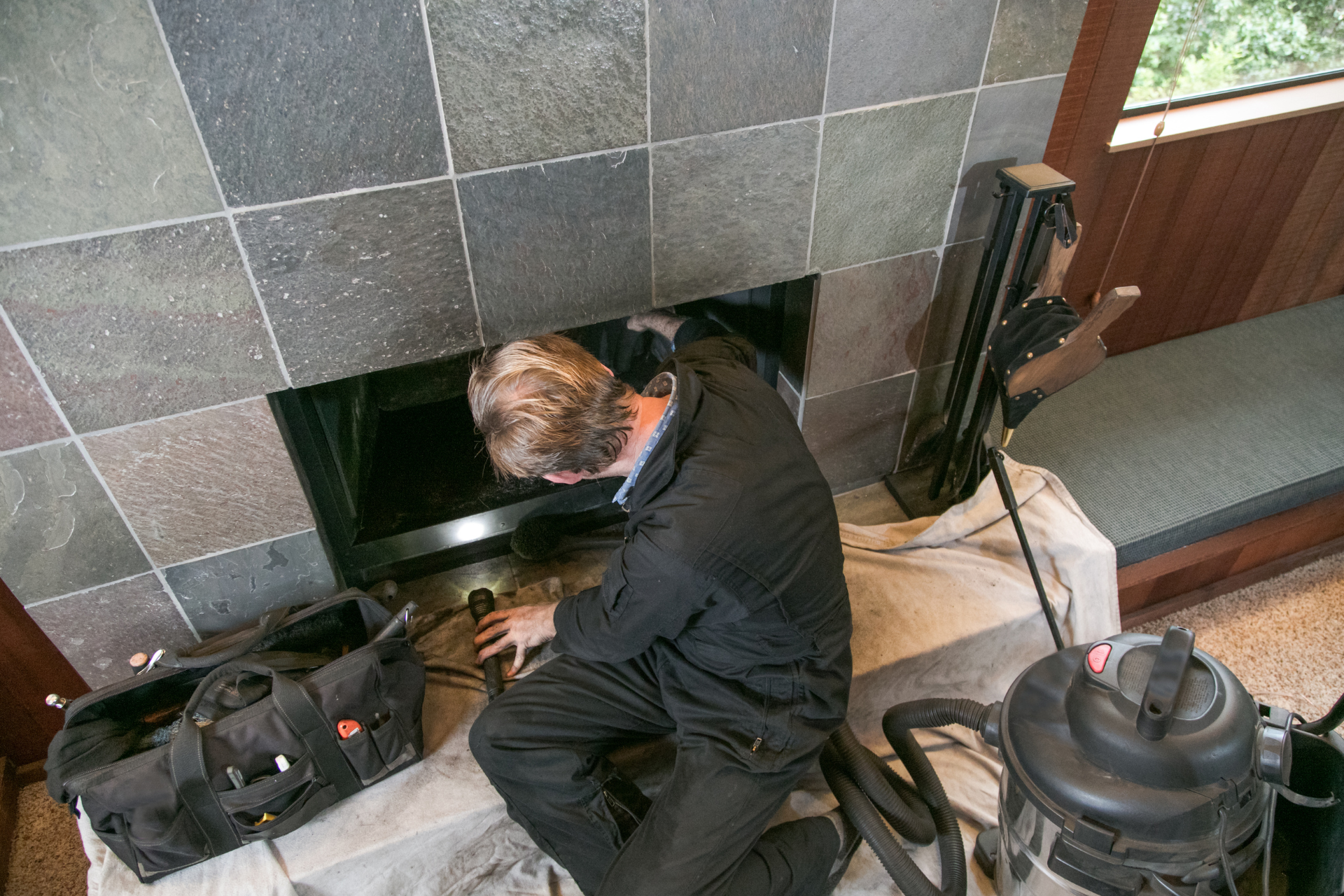
A homeowner once said their kitchen always felt like it held yesterday’s cooking smell. Even after scrubbing everything, the odor stayed. This led them to explore better ventilation solutions, including checking chimney airflow systems. In fact, they later learned about Chimney Cleaning Somis, which helped improve air movement in their home in a surprising way.
How Everyday Habits Affect Indoor Air Flow
Many people do not realize that daily routines can either improve or worsen indoor comfortissues. Something as simple as keeping doors closed all day can stop air from moving freely through the home.
Families often keep rooms shut to save cooling costs, which can help maintain temperature but also reduces natural airflow inside the home. Over time, this limited circulation can lead to stuffy rooms and uneven temperatures that affect overall comfort. Several common habits can quietly contribute to these issues, such as leaving windows closed all day without allowing airflow breaks, blocking vents with furniture or storage items, not using exhaust fans during cooking or showering, and keeping heavy curtains closed at all times. Together, these routines can restrict proper air movement and make indoor spaces feel less fresh and less comfortable over time.
A resident shared how their bedroom always felt “tight,” especially in the morning. After adjusting airflow habits and improving ventilation, they noticed clearer mornings and better sleep. These changes helped them build healthier interiors without needing expensive renovations.
Another important detail they discovered was how chimney airflow also plays a role in whole-home ventilation. Even small blockages can reduce airflow balance, which contributes to comfort issues throughout the house. When airflow is balanced, the home naturally feels fresher, and families begin to notice fewer odors and more consistent temperatures. This is how healthier interiors are created through small, consistent habits rather than big changes.
Why Some Rooms Always Feel Less Comfortable Than Others
It is common for one room to feel completely different from another, even in the same house. This uneven comfort is one of the clearest indoor comfort issues homeowners experience. In Somis, for example, living rooms facing the sun often feel warmer, while back bedrooms feel cooler but more stagnant. This imbalance is often caused by air not moving evenly through the home.
When poor air circulation happens, air becomes trapped in corners, creating pockets of warmth, dampness, or stale smell. These pockets can make certain rooms feel less inviting, even if they are clean. To understand it better, think of air like water: when it flows freely, everything feels balanced, but when it gets stuck, certain areas feel “heavier” and less comfortable. One family described how their hallway always felt different from the rest of the home, even though the space was clean and well-maintained.
After improving ventilation paths and checking chimney airflow, they noticed a major improvement in overall consistency throughout the house. Small steps like this can slowly support healthier interiors across the entire home. Even simple adjustments, such as using ceiling fans more effectively or opening interior doors at the right time of day, can help reduce comfort issues and improve airflow balance, making the home feel fresher and more evenly comfortable.
Simple Ways To Improve Home Comfort Without Big Changes
Improving comfort at home does not always require major renovations, as most indoor issues can be reduced through simple, daily adjustments. Homeowners in Somis often use easy steps such as opening windows on opposite sides of the house to create a cross-breeze, using fans to push air toward hallways, keeping vents and air pathways clear, cleaning filters regularly, and letting fresh air in during cooler parts of the day.
These small habits help reduce poor air circulation and create more stable indoor conditions. One homeowner noticed that even adjusting curtain placement made a difference in airflow, while another found that scheduling regular home ventilation checks helped maintain fresher air year-round. Using environmentally safe cleaning methods when maintaining surfaces and fabrics can also support better indoor air quality by reducing harsh chemical residues that may affect airflow and comfort. Although these changes may seem minor, they gradually build healthier interiors that feel more comfortable every day. Over time, families begin to notice fewer odors, better sleep, and a more relaxed home atmosphere, showing how deeply airflow is connected to overall comfort.
Creating A Home That Feels Light And Fresh Every Day
A comfortable home is not just about cleaning or decoration; it is about how the air feels. Many indoor comfort issues begin with something as simple as trapped or uneven airflow. When poor air circulation is ignored, it slowly affects how a home feels emotionally and physically. Rooms may look clean, but still feel heavy. That is why improving airflow is just as important as surface cleaning.
Families who focus on better ventilation often notice long-term improvements. Their homes feel more open, mornings feel lighter, and daily routines become more comfortable. These improvements naturally lead to healthier interiors that support well-being. In the end, comfort is built through awareness and small actions. When airflow improves, the entire home changes. And in places like Somis, where indoor living is a big part of daily life, that difference becomes even more meaningful.