Why Air Quality And Simple Indoor Routines Matter More Than You Think
When people talk about feeling “uncomfortable” at home, it is often not about noise or space. It is usually the air. Dust, pet dander, and tiny particles can quietly build up without anyone noticing. Over time, this can affect breathing, sleep, and even daily energy levels. That is why learning simple routines for indoor care matters more than most people think.
The good news is you do not need major changes or expensive tools. Small, steady routines can make a big difference in lowering irritants and improving comfort. Many families notice that once they build better routines, they experience fewer sneezing moments, less dust buildup, and a more balanced living space. This is where strong indoor maintenance habits start to matter most.
Keeping Dust Under Control In Everyday Living
One of the simplest ways to start improving your home environment is by controlling dust before it spreads, since dust does not just sit on surfaces but moves through the air every time you walk, sit, or open a door. A helpful routine includes wiping surfaces using slightly damp cloths instead of dry dusting, cleaning ceiling fans and light fixtures weekly, removing clutter where dust can settle, and vacuuming carpets slowly to lift hidden particles. In many homes, especially in Westwood, dust enters through open windows and quickly attaches to soft furniture, which is why a steady routine is more effective than deep cleaning only once in a while. Families who practice maintenance habits daily often notice better comfort and fewer airborne irritants over time.
Airflow, Windows, And Simple Daily Changes
Fresh air movement plays a bigger role in home comfort than many people realize because, without airflow, particles stay trapped indoors and continue circulating. Simple changes such as opening windows early in the morning for 10–15 minutes, using exhaust fans in kitchens and bathrooms, keeping doors open between rooms to balance airflow, and avoiding long periods of sealed indoor spaces can make a noticeable difference. These small actions help reduce the buildup of stale air, which is often linked to poor breathing comfort. Homes can benefit from this, especially because warm temperatures often lead people to keep windows closed for longer periods, making consistent ventilation even more important for maintaining a fresher indoor environment.
Practicing indoor maintenance like controlled ventilation can improve the cleanliness of indoor air almost immediately. Many families also notice that morning freshness feels stronger when airflow is consistent. A small but powerful tip is to open windows on opposite sides of the home. This creates a natural cross breeze that helps push out trapped particles. It may sound simple, but it is one of the most effective daily habits for improving comfort.
Hidden Areas That Often Trap Allergens
Not all dust and allergens are visible. Some of the most problematic areas in a home are the ones people rarely think about.
Under Beds And Behind Furniture
These areas are rarely cleaned, so dust, hair, and allergens can easily accumulate and get disturbed back into the air when you move items or vacuum.
Curtains And Fabric Blinds
Fabric materials naturally trap dust and pollen over time, especially when windows are open, which can slowly affect indoor air quality if not washed regularly.
Air Vents And Return Grilles
These spots circulate air throughout the home, so when dust builds up here, it can spread allergens into multiple rooms instead of containing them.
Upholstered Sofas And Cushions
Soft furniture absorbs skin flakes, pet dander, and dust, making it one of the most common hidden sources of allergens in daily living spaces.
These hidden spots can slowly affect indoor comfort. When they are ignored, particles keep circulating, no matter how clean the visible areas look. In many homes, fabric-heavy interiors are common, which means particles can settle more easily. Practicing consistent indoor maintenance habits helps prevent buildup in these areas before it becomes noticeable.
Another important point is how these hidden spaces affect cleaner indoor air. Even if floors are spotless, trapped dust in vents or upholstery can continue circulating every time air moves through the home. A simple routine like rotating cushions, washing curtains every few months, and vacuuming under furniture can support long-term comfort. These small steps are often overlooked but make a big difference in overall living quality. Over time, reducing hidden buildup also supports allergen reduction, especially for people sensitive to dust or seasonal triggers.
Seasonal Deep Cleaning And Chimney Care In Westwood
Seasonal cleaning is often the turning point for improving long-term home comfort. While daily habits manage surface-level dust, deeper maintenance helps reset the entire indoor environment. In colder months or during seasonal changes, homes in Westwood often rely more on heating systems. This is where deeper inspections and cleaning become important.
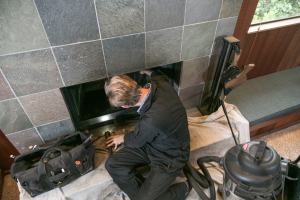
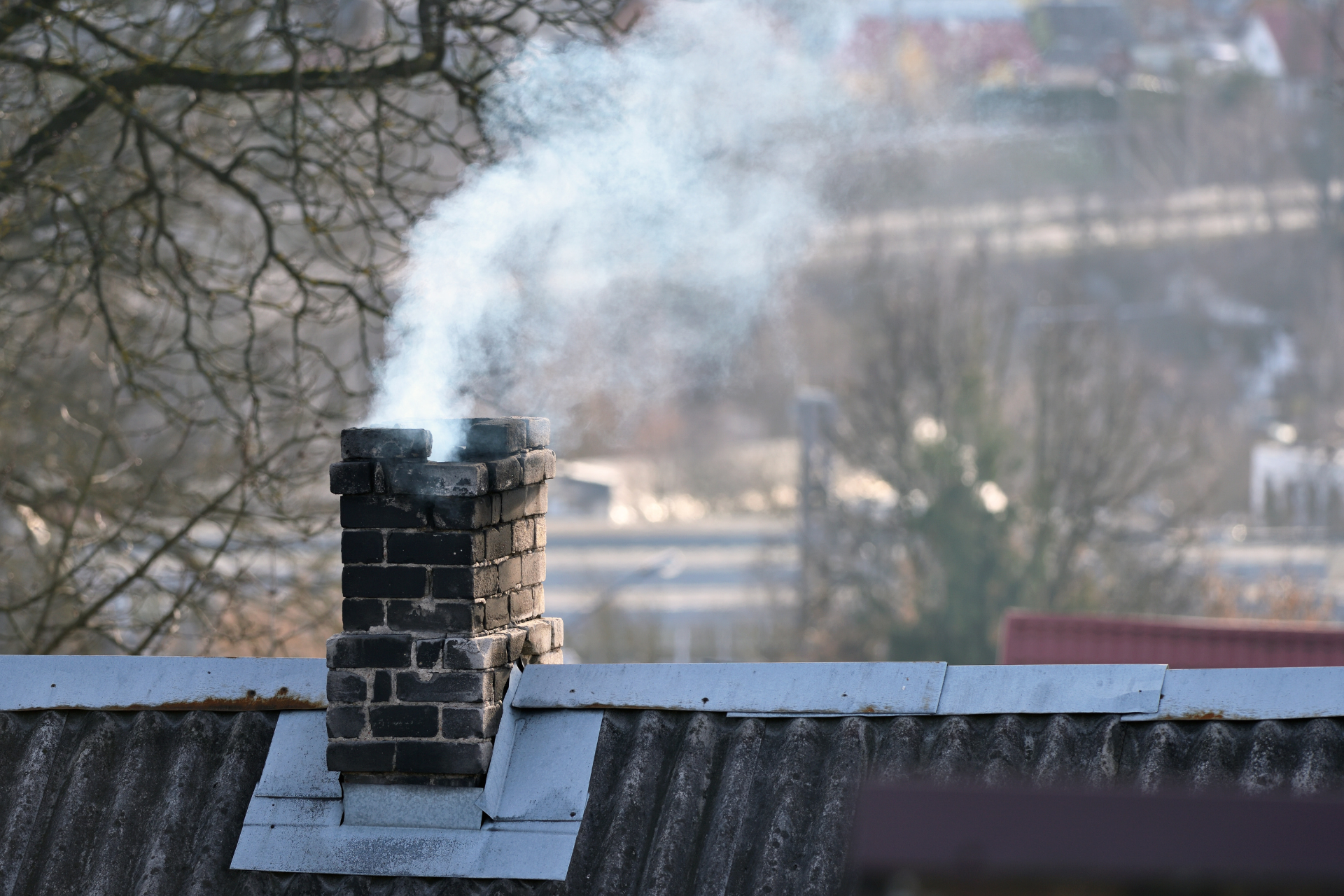
One often ignored area is the chimney system, which, when not maintained, can contribute to poor airflow and indoor buildup. In fact, professional services like Chimney Cleaning Westwood are commonly recommended to keep airflow systems safe and efficient. Key seasonal steps include checking heating and ventilation systems, deep cleaning vents and ducts, removing dust buildup from storage areas, and inspecting chimney and exhaust systems. These tasks are not just about cleanliness; they directly affect air movement inside the home, and families who follow seasonal routines often experience stronger, cleaner indoor air throughout the year.
Seasonal dust changes can also increase indoor irritants. This makes structured indoor maintenance habits even more valuable during transitions between dry and humid months. One simple observation many homeowners share is that after seasonal cleaning, breathing feels lighter indoors. This is often the result of improved circulation and reduced trapped particles. When combined with regular routines, seasonal care supports long-term allergen reduction and helps maintain a stable home environment.
Creating A Healthier Routine For Long-Term Comfort
Building a healthier home does not require major effort; it requires consistency, and the goal is not perfection but balance. When daily care and seasonal maintenance work together, the result is a more comfortable living space that feels cleaner and easier to manage. Simple long-term habits include keeping shoes at the door to reduce dirt spread, washing bedding weekly, maintaining airflow every day, scheduling deep cleaning every season, and practicing chemical-free cleaning to reduce harsh residues indoors. Homes often deal with changing outdoor conditions, which makes consistency even more important. By following steady indoor maintenance habits, families can maintain cleaner indoor air without stress or overwhelming effort.
Another important benefit is how these habits improve overall well-being. Better air quality often leads to better sleep, improved focus, and fewer moments of discomfort throughout the day. Over time, these routines also naturally support allergen reduction, making the home more comfortable for everyone, including children and older family members. A healthier home is not built in one day. It is shaped by small decisions repeated over time. Whether it is dusting a shelf, opening a window, or checking ventilation systems in Westwood, every step contributes to a more balanced environment. The key is to stay consistent, notice changes early, and keep improving little by little. That is how a truly comfortable indoor space is built.