Want A Longer Laundry Appliance Lifespan? Start With These Simple Steps
Laundry day is one of those simple parts of life that most people barely think about until something goes wrong. The washer fills up, the dryer hums along, and clean clothes come out at the end. It feels routine, almost automatic. But when a machine starts shaking, taking too long, or leaving clothes damp, that routine can turn stressful very fast.
For many homeowners, the real surprise is not that a washer or dryer breaks down. The surprise is learning that many of those problems could have been delayed, reduced, or even avoided with better care. A laundry appliance is not something you buy and forget. It is a hard-working machine that needs steady attention if you want it to stay reliable year after year.
The good news is that proper care does not have to be hard. You do not need special training or a long checklist that takes hours every week. Small habits make the biggest difference. Cleaning lint, using the right amount of soap, keeping air moving, and noticing early warning signs can help your machines work better and last much longer.
If you live in El Segundo, this matters even more than many people realize. Busy homes, frequent loads, and everyday wear can slowly add stress to washers and dryers. The more often you use them, the more important it becomes to build simple care habits into your routine.
Why Small Home Habits Matter More Than People Think
Most homeowners focus on their appliances only when there is already a problem. That is understandable. If the washer starts and the dryer heats, it seems like everything is fine. But machines often wear down quietly. A little extra heat here. A little trapped moisture there. A little more vibration during each cycle. Those small issues can slowly turn into real damage.
Think about your laundry room like a part of your home that needs breathing room. The washer needs balance, clean water flow, and a dry interior after use. The dryer needs strong airflow and a path for heat and lint to leave safely. When those things are blocked or ignored, the machine has to work harder every time you run it.
Many homeowners turn to trusted cleaning and home care experts when they start learning how to protect appliances and improve household upkeep. That makes sense because the way you care for your home as a whole often affects the life of the machines inside it.
A few simple habits can help right away:
- Clean the lint filter after every dryer load
- Leave the washer door open for a while after each cycle
- Use only the amount of detergent the label recommends
- Avoid stuffing too many clothes into one load
- Watch for changes in drying time or washer noise
- Look behind the machines for leaks, dust, or bent hoses
None of these steps is difficult. Yet together, they can reduce strain on the motor, drum, belts, sensors, and venting system.
Another reason small habits matter is that laundry machines repeat the same actions again and again. A tiny problem does not stay tiny when it happens four or five times a week. If the dryer runs too hot every load, that heat adds up. If the washer stays damp inside after every cycle, mold and odor have more time to grow. What seems minor in one day can become a bigger issue in a few months.
That is why so many homeowners who practice long term maintenance end up getting more value from their appliances. They are not just reacting to problems. They are reducing the chances of those problems showing up too early.
How Dryer Vent Care Protects Your Dryer And Your Home
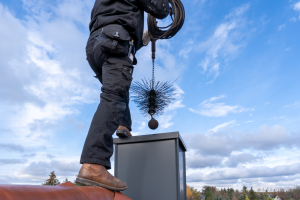
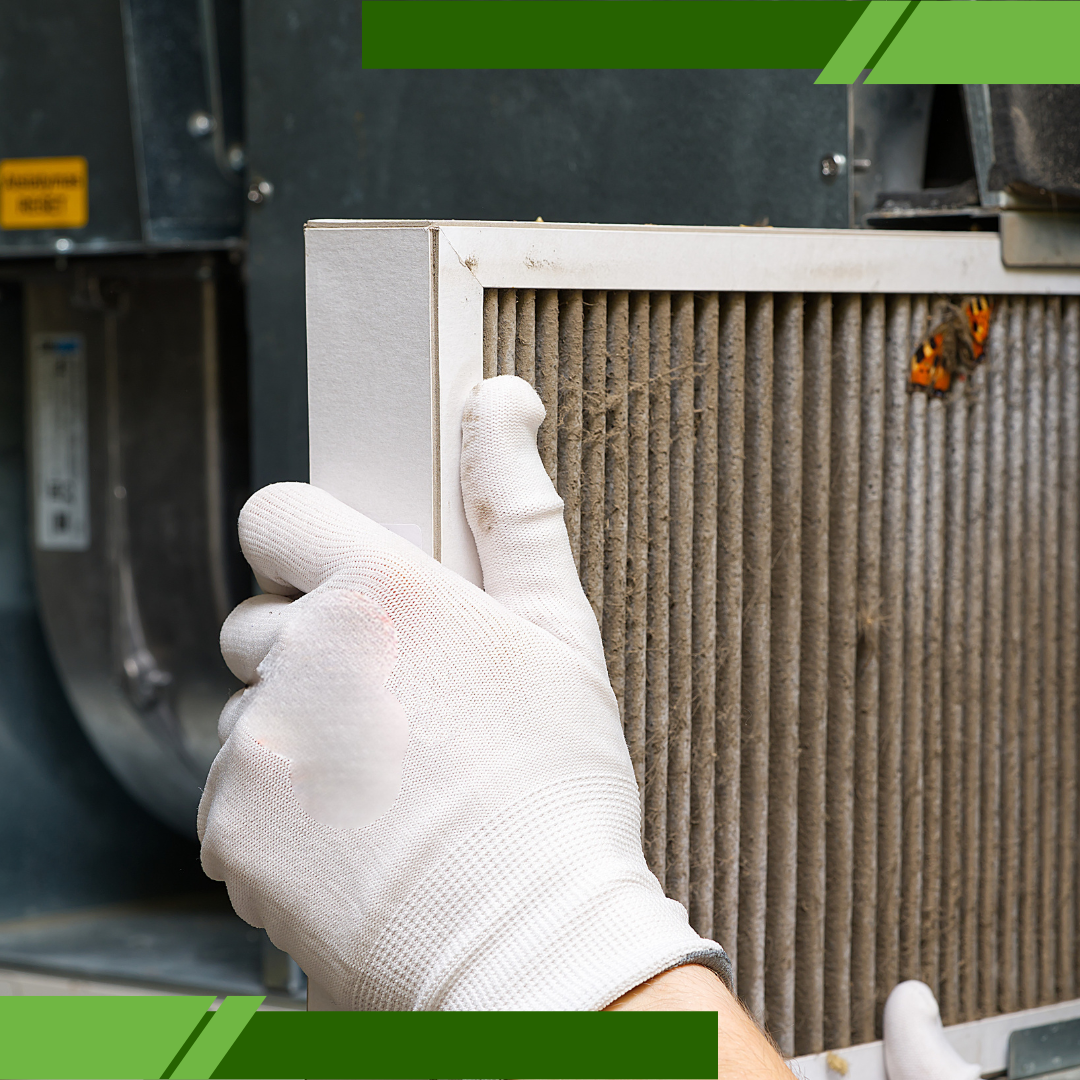
When people think about dryer care, most think about the lint screen. That is a great start, but it is only part of the story. Lint also travels beyond the filter and into the vent line. Over time, that lint can collect inside the duct and reduce airflow. When airflow drops, the dryer traps more heat, takes longer to dry clothes, and works much harder than it should.
This is one of the main reasons homeowners should pay close attention to vent care. Poor airflow does more than waste time. It adds pressure to the heating system, pushes up energy use, and can create serious safety concerns. If your dryer is running longer than normal, your clothes feel extra hot, or the laundry room gets warmer than it used to, the vent may be part of the problem.
A lot of local homeowners search for help withDryer Vent Cleaning El Segundo because the vent system is one of the most overlooked parts of dryer care. It is easy to forget because much of it is hidden behind walls or behind the appliance itself.
Here are common signs that dryer vent care should not wait:
- Clothes are still damp after one full cycle
- The dryer feels hot on the outside
- There is a burning smell during or after drying
- Lint shows up around the dryer hose or vent opening
- The laundry room feels hotter than usual
- Drying times keep getting longer
Picture a dryer trying to move hot air through a clogged path. It is like trying to breathe through a straw while jogging. The dryer may still run, but every cycle puts more stress on the machine. Over time, that stress can wear out parts sooner than expected.
This is also where many people start to understand the real meaning of laundry appliance lifespan. A machine does not last longer just because it is expensive or new. It lasts longer when it can do its job without extra strain.
For homes in El Segundo, regular vent attention can be especially helpful because families often run many loads each week. Towels, uniforms, bedding, school clothes, and gym wear all add to the load count. More use means more lint, more heat, and more need for routine care.
How Everyday Washer Care Prevents Early Wear
Washers often look strong from the outside, but inside they depend on balance and clean movement. When you overload the tub, use too much soap, or ignore leftover moisture, the washer starts working harder than it should.
Overloading is one of the most common mistakes. People want to save time, so they fill the washer with as much as possible. But heavy, packed loads do not move well. That puts stress on the drum, bearings, and suspension parts. It can also make the machine shake more, clean less effectively, and leave behind residue.
Too much detergent is another hidden problem. Many people think extra soap means cleaner clothes. In reality, it often leaves buildup inside the machine. That buildup can trap dirt, create odors, and make rinsing harder. Over time, it can also affect sensors and hoses.
Good washer care starts with simple habits:
- Wash medium-sized loads instead of giant ones
- Use the soap amount listed for your machine and load size
- Wipe the door seal and detergent tray often
- Leave the door open after washing so the inside can dry
- Check hoses for cracks, bulges, or leaks
- Listen for new banging, grinding, or squeaking sounds
These habits support better cleaning and reduce wear at the same time. They are simple, but they matter.
A washer that smells musty is trying to tell you something. A washer that thumps hard during spin is trying to tell you something too. Machines usually give warning signs before major failure. The earlier you notice them, the easier and cheaper the fix often is.
That is why appliance durability tips are not just about cleaning. They are also about paying attention. If a washer suddenly gets louder, leaks a little, or leaves clothes less clean than before, it is worth checking right away instead of hoping it goes away on its own.
How Everyday Habits Affect Laundry Appliance Lifespan
The true test of appliance care is not what you do once a year. It is what you do every week. Daily and weekly habits have the biggest effect because they shape how hard the machine works over time.
A dryer that is cleaned after every load will usually face less stress than one packed with lint. A washer that dries out properly between cycles will usually stay fresher than one that stays wet and closed all day. A balanced load today may seem small, but repeated balanced loads protect the machine for months and years.
This is where the second side of long term maintenance becomes clear. It is not about one big repair. It is about building a routine that protects your equipment before problems begin.
After every load
- Clean the lint screen
- Remove clothes promptly
- Leave the washer door open for airflow
Once a week
- Wipe the washer gasket
- Check for lint around the dryer door
- Notice whether drying time has changed
Once a month
- Inspect hoses and connections
- Vacuum dust behind the appliances
- Make sure the machines sit level on the floor
A few times each year
- Inspect the vent path
- Look at the outside vent opening
- Schedule deeper service if airflow seems weak
These habits improve performance in ways people notice quickly. Clothes dry faster. The laundry room smells better. The washer feels cleaner. Cycles stay more consistent. The machines sound smoother. Most important, they are under less pressure.
That is one of the clearest paths to better laundry appliance lifespan. Less pressure means less wear. Less wear means fewer repairs and a better chance that the machine will serve your home for more years.
Common Warning Signs You Should Never Ignore
One of the biggest mistakes homeowners make is waiting too long. The machine still turns on, so they assume everything is fine. But small changes are often the first signs of growing problems.
Watch for these early warnings:
- Dryer cycles suddenly take much longer
- Clothes come out too hot
- Washer smells sour or moldy
- The washer shakes harder than usual
- Water appears under or behind the washer
- The dryer makes thumping or squealing noises
- The utility bill climbs without another clear reason
These are not random quirks. They are clues.
For example, a hot dryer may point to blocked airflow. A noisy washer may point to an unbalanced load or worn parts. A damp area behind the washer may signal a hose problem. Catching these signs early can protect both the appliance and your home.
Some of the best appliance durability tips are simply about knowing what normal feels like. Once you know the usual sound, timing, and performance of your washer and dryer, changes become easier to spot.
Why Better Care Also Saves You Money
Most people think about appliance care as a way to avoid inconvenience. That is true, but it also helps your wallet. A machine that runs efficiently uses less energy and often needs fewer repairs. A dryer with better airflow dries clothes faster. A washer that is clean and balanced puts less strain on internal parts.
In other words, proper care works as one of the most practical cost saving methods a homeowner can use.
Here is how the savings often show up:
- Lower energy use from shorter dryer cycles
- Fewer repair visits for preventable problems
- Less risk of water damage from neglected washer hoses
- Better cleaning results, which means fewer repeat loads
- More years before you need to replace the unit
Those savings may not all appear in one week, but they grow over time. That is why people who focus on laundry appliance lifespan often end up saving much more than they expected. The reward is not only a longer-lasting machine. It is also less stress and fewer surprise expenses.
For homeowners in El Segundo, that can mean real peace of mind. When your laundry appliances work the way they should, daily life becomes easier. School mornings, workdays, and weekend chores all feel more manageable when the machines are reliable.
When Professional Help Becomes The Smart Move
Home care matters, but some jobs are better left to trained professionals. If the dryer vent is deep, hard to reach, or packed with buildup, professional service is often the safest and most effective choice. The same goes for washer leaks, odd electrical issues, or repeated problems that keep coming back.
Professional help is not only about fixing something broken. Sometimes it is the best way to prevent a bigger issue. A proper inspection can catch trouble before it turns into a failed motor, a damaged heating element, or water spread across the laundry room floor.
This is especially helpful for households in El Segundo that rely heavily on their washer and dryer throughout the week. The more often your appliances run, the more valuable preventive care becomes.
The smartest approach is simple. Handle the basic habits yourself, and call in expert help when the issue goes beyond surface cleaning or simple checks.
Final Thoughts On Keeping Your Washer And Dryer Running Longer
A washer and dryer do more than clean clothes. They support the rhythm of your home. They help with busy mornings, clean sheets, school uniforms, towels, work clothes, and all the little messes that come with daily life. Because they work so often, they deserve steady care.
The best part is that strong appliance care does not require complicated routines. It comes down to simple actions done consistently. Clean the lint. Watch the vent. Do not overload the washer. Let moisture dry out. Pay attention to sounds, smells, and changes in performance.
Those small habits have a big impact. They protect parts, improve safety, reduce wasted energy, and delay expensive breakdowns. Most of all, they give your appliances a better chance to keep serving your home for years.
When homeowners understand how daily care affects laundry appliance lifespan, they stop seeing maintenance as a chore and start seeing it as protection. That shift makes all the difference.