Why Laundry Room Fire Prevention Matters More Than You Think
A laundry room rarely feels dangerous. It is one of those parts of the home people trust without thinking twice. You toss in a load, press a button, and go on with your day. But that easy routine can hide real risk. Lint builds up. Vents get blocked. Wires wear out. Machines run too hot. Before long, one small issue can turn into smoke, damage, or a full fire.
That is why smart homeowners treat the laundry room as an important part of trusted home cleaning services, not just another chore zone. A safe laundry space is about more than neat shelves and folded towels. It is about paying attention to the warning signs, keeping appliances clean, and building simple habits that protect your family. If you live in Topanga, where dry weather can make any spark more serious, this matters even more.
Many fires begin with things people believe are harmless. In the laundry room, the biggest troublemaker is often lint. It looks soft and harmless, but lint burns fast. When it collects inside a dryer trap, vent hose, or wall duct, it can create the perfect fuel source. Add heat, poor airflow, or a mechanical problem, and the danger rises quickly. This is why laundry room fire prevention should be part of every homeowner’s routine.
Common Causes of Dryer Fires Every Homeowner Should Know
Understanding the cause is the first step toward safety. Dryer fires rarely happen out of nowhere. They build up slowly.
Here are the most common causes:
- Lint trapped inside vents and ducts
- Crushed or bent dryer hoses
- Dirty lint screens
- Faulty wiring or loose outlets
- Overloading the dryer
- Drying items with oil or chemical stains
- Poor ventilation in the laundry area
Each of these problems may seem small, but together they increase fire risk. Good appliance hazard reduction starts with knowing what to watch for and taking action early.
Warning Signs Your Dryer May Be a Fire Risk
Your dryer usually gives warnings before something goes wrong. The key is not to ignore them.
Watch for these signs:
- Clothes take longer than usual to dry
- The dryer feels too hot to touch
- A burning smell during or after a cycle
- The laundry room feels hotter than normal
- Lint collecting behind or around the machine
- The outside vent flap barely opens
If you notice any of these, it is time to act. These are not small issues. They are early signals that your dryer is struggling and needs attention.
Simple Daily and Monthly Habits to Keep Your Laundry Room Safe
Fire prevention does not need to be complicated. Small habits can make a big difference.
Daily habits:
- Clean the lint trap after every load
- Do not overload the dryer
- Stay nearby when the dryer is running
Monthly habits:
- Check behind the dryer for lint buildup
- Inspect the vent hose for damage
- Look at the outdoor vent for blockage
These simple routines support strong home fire safety and help prevent bigger problems later.
How Lint Buildup Becomes a Hidden Danger
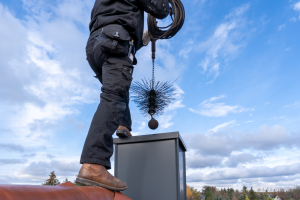
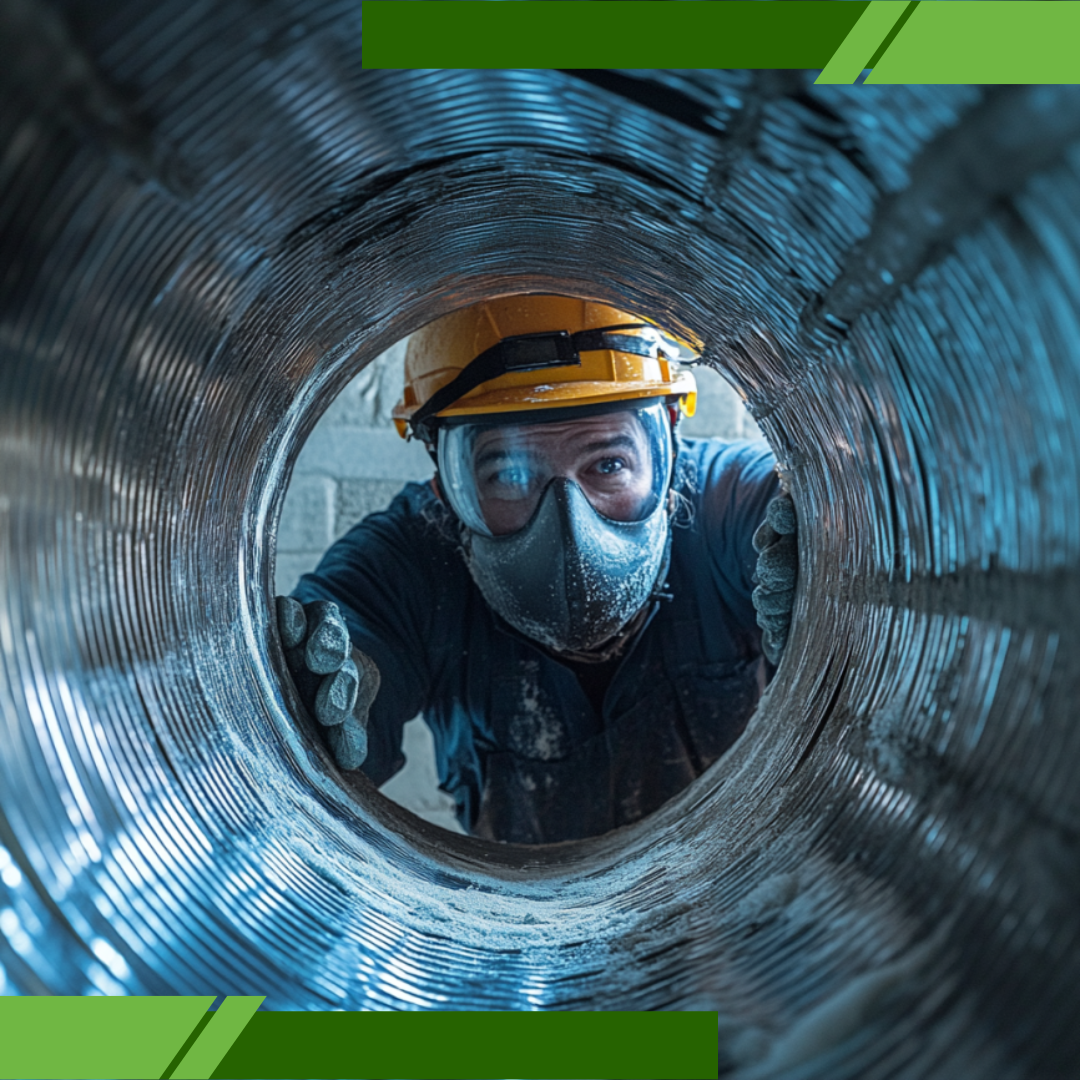
Many homeowners believe the lint trap catches everything. It does not. Fine lint still travels into the vent system and sticks to the walls over time. Think of it like dust inside a pipe. At first, it was thin. Then it gets thicker. Soon, airflow slows down. Heat builds up. The dryer works harder, and the risk increases. This is where services like professional vent cleaning service become important. They clear out the hidden buildup that normal cleaning cannot reach. For homes in Topanga, where dryers may run often, this step is especially important.
Smart Laundry Practices to Prevent Fire Hazards
Not all fire risks come from the machine itself. Sometimes, the clothes you put inside can create danger.
Avoid drying these items without proper care:
- Towels with cooking oil or grease
- Rags used with gasoline or paint thinner
- Cleaning cloths with chemical residue
- Foam or rubber-backed materials
If you are unsure, air drying is the safer option. These small decisions support better laundry room fire prevention without extra effort.
The Importance of Proper Dryer Vent Maintenance
A dryer needs airflow to work safely. When the vent is clear, hot air moves out easily. When blocked, heat stays trapped. This is why regular vent care is critical. Many homeowners in Topanga only think about cleaning when problems appear. But prevention is always better.
Benefits of proper vent maintenance include:
- Faster drying times
- Lower energy bills
- Reduced fire risk
- Longer appliance life
This is a key part of both home fire safety and long-term appliance care.
Creating a Safer Laundry Room Setup at Home
Your laundry room setup also matters. A clean, open space helps reduce fire risk.
Keep these in mind:
- Leave space around the dryer
- Avoid storing flammable items nearby
- Use proper vent materials when possible
- Make sure lighting is good for visibility
This is another area where appliance hazard reduction plays a role. The safer the setup, the lower the risk.
Family Safety Rules Everyone Should Follow in the Laundry Room
Safety is stronger when everyone in the home understands the basics.
Teach these simple rules:
- Do not overload the dryer
- Do not dry unsafe materials
- Report strange smells or heat
- Do not run the dryer when no one is home
These habits are easy to follow and protect the whole household.
Easy Maintenance Checklist for Long-Term Safety
- Clean lint trap every load
- Inspect vent monthly
- Check drying time changes
- Watch for unusual heat
- Schedule regular vent cleaning
These are practical household prevention tips that work for any home.
Why Ignoring Small Warning Signs Can Lead to Big Problems
Many homeowners notice small changes but delay action. That delay is often where problems grow. A longer drying time today can become overheating tomorrow. A little lint can turn into a blockage. A strange smell can become smoke. Act early. Fix small issues before they grow into serious risks.
Special Considerations for Homes in Topanga
Living in Topanga comes with unique conditions. Dry weather can make fire risks more serious. Homes may also use dryers more often due to busy lifestyles.
That means:
- More lint buildup
- Faster vent blockages
- Higher need for regular maintenance
Being proactive is the best way to stay safe in this environment.
Gas vs Electric Dryers: What You Need to Know About Safety
Both gas and electric dryers can be safe when maintained properly.
Gas dryers:
- Need proper ventilation
- Require gas line safety checks
Electric dryers:
- Depend on strong wiring
- Can overheat if vents are blocked
In both cases, maintenance and awareness matter more than the type of dryer.
When to Repair or Replace a Problem Dryer
If your dryer keeps overheating or shutting off, do not ignore it.
You may need to:
- Repair faulty parts
- Replace worn components
- Upgrade an older unit
Using a damaged dryer is never worth the risk.
Final Thoughts: Building Safer Laundry Habits Every Day
Laundry is part of everyday life, but it should never be taken for granted. With the right habits, you can turn your laundry room into a safe and reliable space.
Focus on simple actions:
- Keep vents clean
- Watch for warning signs
- Maintain your appliances
- Stay present while the dryer runs
These steps make laundry room fire prevention a natural part of your routine. For families in Topanga, this attention to detail can make all the difference.
Laundry room fire prevention starts with simple habits that protect your home from unexpected risks. Lint buildup is one of the most common causes of dryer fires, so cleaning the lint filter after every load and checking the vent regularly is essential. Avoid overloading your dryer, as this can lead to overheating, and never leave it running when you’re asleep or away from home. It’s also important to inspect electrical cords and outlets for damage and keep flammable items like paper, clothing, and cleaning products away from heat sources. By staying consistent with these precautions, you can reduce fire hazards and keep your laundry area safe.