
Why Hidden Dust Builds Up Faster Than You Think in Homes
Keeping a clean home is not just about how things look. It is also about how your space feels every day. Many people clean the visible areas, but forget the places they cannot easily see or reach. Over time, these hidden spots collect dust, and that dust slowly affects comfort, air quality, and even your mood at home. In places like Winnetka, where homes often have detailed interiors and layered furniture setups, dust builds up faster than expected. Even busy households notice how quickly surfaces get dusty again after cleaning.
A Cleaner Home Starts with Small Daily Habits
Cleaning does not need to be overwhelming. It starts with simple habits you can repeat every day. When people focus on consistency, they naturally follow better dust prevention tips without even thinking about it. One helpful approach is to clean from top to bottom. This means starting with ceiling fans, shelves, and cabinets before moving down to floors. Dust always falls downward, so this method saves time and effort.
Another practical idea is to keep soft microfiber cloths in different rooms. This makes quick wiping easier, especially in tight corners or furniture edges that are part of hard to reach cleaning routines.
In homes located in Winnetka, where seasonal changes bring in outdoor dust and pollen, these small habits make a big difference. Families often notice that even light cleaning every day helps prevent buildup in forgotten areas. You can also explore trusted resources for better cleaning habits, like this helpful guide on eco-friendly cleaning approaches:
Simple Ways to Prevent Dust Accumulation in Hidden Corners
Most people only clean what they can see. However, if you want a truly clean home, you need to focus on areas that are often ignored. The truth is, if you want to effectively dust prevention accumulation of dust, you must think beyond surface cleaning. Start by checking airflow areas like vents and fans. These areas move air around the home and can spread dust if not cleaned regularly. In many homes, ceiling fans are used year-round, which means they gather dust faster than expected.
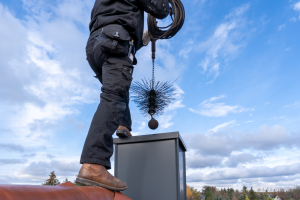
Another key step is sealing small gaps in windows and doors. Even tiny openings allow outdoor dust to enter, making cleaning feel never-ending. This is one of the most overlooked dust prevention tips, but also one of the most effective. For homeowners dealing with fireplaces or chimneys, dust and soot can also build up in hidden ducts. This is why services like Chimney Cleaning Winnetka are often recommended for deeper home maintenance. In fact, professional cleaning ensures that even hidden dust layers are safely removed before they affect indoor air.
Hard to reach cleaning becomes much easier when you use the right tools. Extendable dusters, vacuum crevice tools, and microfiber cloths attached to sticks can help you reach high shelves and narrow gaps without stress. These tools save time and make cleaning less tiring.
In Winnetka, many homeowners schedule seasonal deep cleaning to handle hidden dust buildup. This helps maintain healthier indoor air, especially in homes with pets or heavy furniture. Regular attention also helps prevent dust accumulation in storage spaces like closets and cabinets.
Wiping Behind Appliances Once a Month
Behind appliances like the refrigerator, stove, and washing machine, dust, crumbs, and grease tend to settle quietly. Because these areas are rarely moved or cleaned, buildup happens faster than most people realize. Making it a monthly habit to pull appliances slightly away from the wall and wipe the floor and sides helps stop thick layers of dust from forming. This also prevents dust from circulating back into your living spaces every time the appliance runs. Consistency here plays a big role in dus prevention, especially in areas you don’t normally see.
Cleaning Window Tracks Regularly
Window tracks collect a surprising amount of dirt, dead insects, and fine dust carried by air and wind. When left unattended, this buildup can harden and spread each time windows are opened or closed. Regular cleaning with a vacuum nozzle or a small brush keeps these tight spaces clear. This habit also helps maintain better airflow and reduces the chance of dust re-entering the room. It’s a simple but effective step to prevent dust accumulation around areas where air naturally moves in and out.
Dusting Baseboards During Vacuuming
Baseboards sit close to the floor, making them natural catch zones for dust, hair, and debris that float down from furniture and movement. When vacuuming, adding a quick wipe or brush along baseboards prevents layers of dust from forming over time. This not only improves cleanliness but also reduces how much dust gets kicked back into the air when people walk by. Making this part of your routine is a practical way to prevent dust along the lower edges of your home, where dirt tends to settle unnoticed.
Checking Ceiling Corners for Cobwebs
Ceiling corners are easy to ignore because they are outside of your direct line of sight. However, these areas often collect cobwebs, fine dust, and airborne particles that rise and settle over time. A quick weekly or bi-weekly check with a long-handled duster or vacuum attachment helps keep these corners clean. This habit is important because dust from higher areas eventually falls onto furniture and floors below. By staying consistent, you help prevent dust from spreading downward and affecting the rest of your living space.
Hard to reach cleaning also includes decorative items like wall frames, hanging lights, and tall shelves. These areas are often forgotten because they require a step stool or ladder, but they should not be ignored. In many households, families assign weekly “quick checks” to ensure these areas are not overlooked. This simple system helps maintain a more balanced and cleaner living space. Another important reminder is that air movement plays a big role in dust spread. When fans and vents are dusty, they circulate particles throughout the home, making cleaning feel endless. That is why consistent attention to these hidden spaces matters so much.
Smart Habits That Keep Dust Away Longer
Building long-term cleanliness is about habits, not just one-time cleaning. Once you understand how dust moves through your home, it becomes easier to stay ahead of it. One of the best dust prevention tips is to reduce clutter. The more items you have sitting out, the more surfaces dust can settle on. Keeping things organized reduces cleaning time and helps maintain order. Another helpful approach is using washable covers for furniture. These covers can be cleaned regularly, making it easier to manage hidden dust buildup.
Hard to reach cleaning should also be part of your monthly routine. Instead of waiting for dust to become visible, schedule short cleaning sessions for hidden spots. In Winnetka, where homes often have layered interior designs, this approach works especially well. Residents who follow regular routines notice fewer dust problems over time.
You may also notice that air quality improves when hidden spaces are cleaned properly. This is because dust does not have a chance to circulate through the home. Even simple habits like keeping windows slightly open during cleaning can help remove airborne particles faster. However, this should be balanced with outdoor dust conditions, especially during dry seasons.
Maintaining fireplaces and vents is also important. Dust and soot can collect in these areas and spread into living spaces if ignored. Regular inspection helps maintain a healthier home environment.
Practical Tools and Techniques for Better Cleaning Results
To make cleaning easier, it helps to use tools designed for specific tasks. Instead of struggling with regular clothes, consider using extendable tools for hard to reach cleaning tasks. Vacuum attachments with narrow tips are especially useful for corners and tight gaps. Microfiber dusters are also great because they trap dust instead of spreading it around.
In homes, many people combine daily light cleaning with weekly deep cleaning tools. This balance keeps dust from building up too quickly. You can also use storage organizers to reduce exposed surfaces. Less exposure means less dust settling over time. Another helpful approach is using natural cleaning solutions, which allow you to clean effectively without introducing harsh chemicals into your living space. This is especially useful for families who prefer a safer and more eco-friendly way to maintain cleanliness.
Consistent Cleaning Habits Help Maintain a Dust-Free and Comfortable Home
Keeping a clean home is not about doing everything at once. It is about building habits that make cleaning easier over time. When you focus on consistency, you naturally reduce dust problems in every part of your home.
If you want to effectively prevent dust accumulation, the key is paying attention to hidden areas, not just visible surfaces. This includes vents, corners, furniture edges, and storage spaces. By following simple dust prevention tips and staying consistent with hard to reach cleaning, you can maintain a fresher and more comfortable home environment.