
A Home That Feels Heavy With Hidden Dust
There are days when a home feels clean on the outside, but the air still feels heavy. You open the windows, wipe the tables, and yet something still feels off. Many families experience this, especially when the weather keeps windows closed for long hours. What most people don’t see are the tiny particles floating around every room, dust, smoke residue, pet dander, and even invisible chemicals from daily products.
This is where simple indoor health tips become very helpful. Small habits can slowly change how your home feels and how you breathe inside it. Many homeowners start noticing that comfort improves when they become more aware of what is in their air, not just what is on their floors.
How to reduce indoor pollutants in your everyday home routine
This is not about big renovations or expensive tools; it starts with simple habits you can do daily, and when people begin to focus on consistency, they often notice better sleep and fewer allergy symptoms. Easy steps that support better living conditions include opening windows early in the morning to refresh indoor air, cleaning surfaces with gentle, non-toxic solutions, removing shoes before entering the home, washing bedding weekly in warm water, and keeping indoor plants that help filter air naturally. These actions are part of strong indoor health tips that many families now follow, and over time, they help reduce indoor pollutants in a noticeable way. Another important habit is checking areas that are often ignored, such as behind furniture, under beds, air vents and filters, and curtains and fabric surfaces.
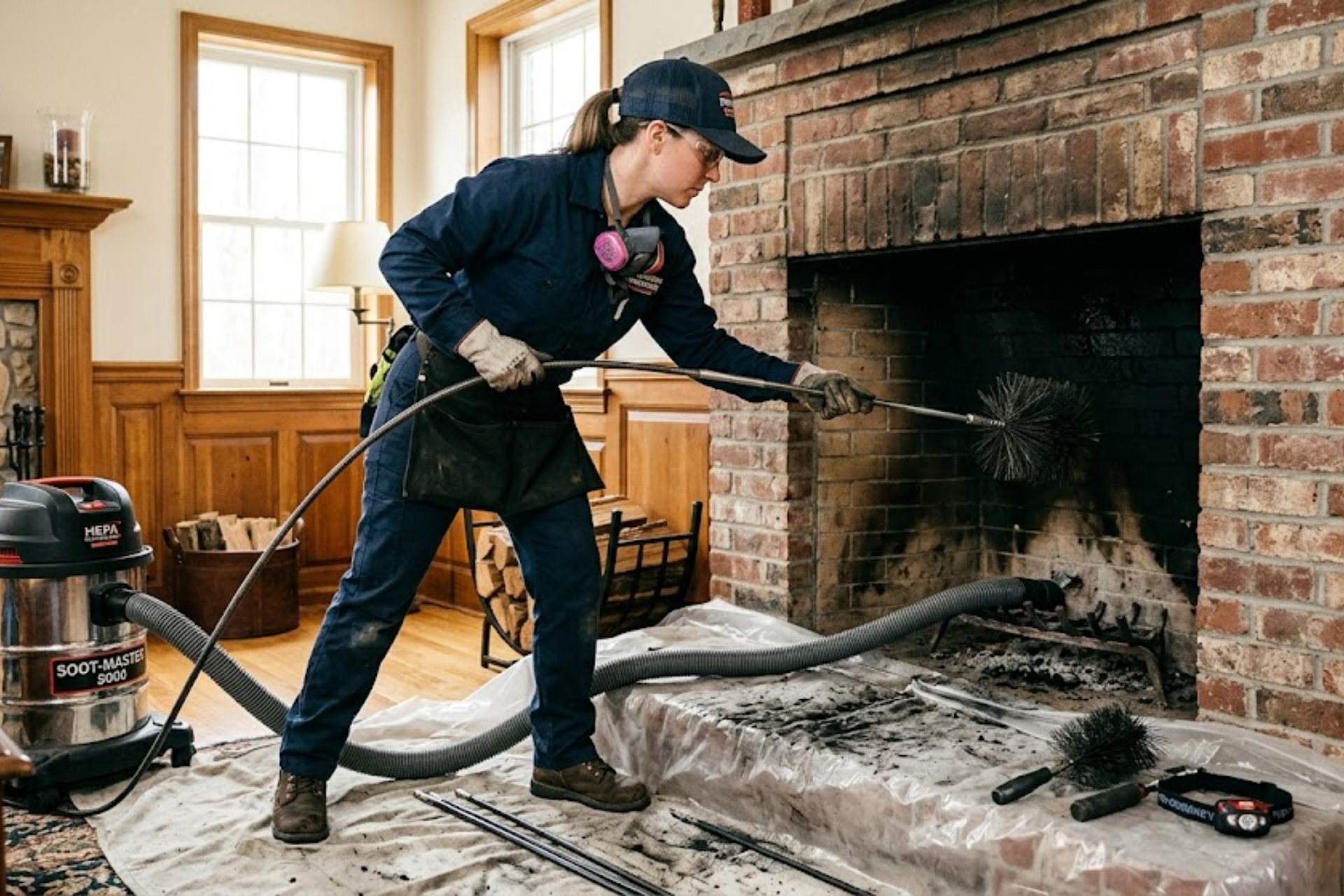
People living in Santa Monica often notice that dust builds up faster in closed spaces, especially during dry seasons. That is why regular cleaning routines matter more than deep cleaning once in a while. For homeowners who also care about chimney safety and indoor freshness, professional support can help. Services like Chimney Cleaning Santa Monica are often recommended when buildup affects indoor airflow and comfort.
By combining daily care with occasional professional help, you can create steady indoor health tips that actually work in real life. Many families also report better focus and fewer headaches after improving airflow and cleaning habits.
Small Changes That Make a Big Difference in Air Flow
When you look closely, the air inside your home moves in patterns. It carries dust from one room to another without you noticing. This is why reducing pollutants is not just about cleaning it is about managing how air travels.
If your home is in Santa Monica, you may notice that closed windows during warmer days can trap odors and moisture, which is why it becomes important to think about airflow, not just surface cleaning. One of the most effective ways to reduce indoor pollutants is to create movement in the air by using ceiling fans at low speed, opening opposite windows for cross-ventilation, running exhaust fans after cooking or showering, and keeping vents unblocked. These simple habits also support better air quality improvement, especially in homes with pets or frequent cooking activity.
Another overlooked idea is reducing synthetic scents. Air fresheners may smell nice, but they often release chemicals that stay in the air longer than expected. Switching to natural alternatives can help improve comfort. In the home, where outdoor air can sometimes carry dust or salt particles from the coast, balancing indoor and outdoor air becomes important. That is why consistent cleaning and ventilation matter more than occasional deep cleaning.
Families who follow these indoor health tips often say their homes feel lighter and easier to breathe in after just a few weeks. Small actions build up over time, and that is where real change happens.
Everyday Habits That Support a Cleaner Living Space
A cleaner home is not only about what you see, but it is also about what you feel when you walk in. If the air feels fresh, the whole space feels better. To reduce indoor pollutants effectively, it helps to think about your daily routine. For example, cooking habits can affect indoor air more than most people realize. Smoke, oil particles, and steam can stay in the air long after meals are done.
Cover pans while cooking
Covering pans helps reduce grease splatter, steam buildup, and cooking odors that can spread throughout the home. It keeps kitchen surfaces cleaner for longer and minimizes airborne particles that may settle on nearby furniture and floors.
Clean kitchen surfaces immediately
Wiping counters, stovetops, and nearby areas right after cooking prevents food residue, oil, and crumbs from hardening or attracting pests. This habit makes cleaning faster and helps maintain a more hygienic cooking space overall.
Use ventilation fans consistently
Running exhaust or ventilation fans while cooking or using hot water helps remove smoke, steam, and odors from the air. This improves airflow and reduces moisture buildup, which can help prevent mold and lingering smells.
Avoid burning candles too often
Frequent candle use can release soot and indoor pollutants that settle on walls, ceilings, and furniture. Limiting their use helps maintain cleaner indoor air and reduces the buildup of fine particles in living spaces.
These habits also support long-term air quality improvement, especially in busy households. In Santa Monica, many homes are close to traffic or coastal wind patterns, which means dust can enter more easily. That is why sealing windows properly and cleaning entry areas matter.
Even chimney maintenance can affect indoor freshness. In some cases, smoke buildup or blocked airflow becomes a hidden source of indoor pollution. This is where proper inspection matters, especially for older homes. A well-maintained system helps reduce pollutants and keeps air moving correctly.
People often overlook how much daily habits matter, but when you follow consistent indoor health tips, you start noticing changes such as less dust settling on furniture, fewer allergy symptoms, fresher-smelling rooms, and better sleep quality. These improvements may feel small at first, but over time, they build a healthier home environment. Families often combine natural ventilation with regular cleaning to maintain a balance between indoor comfort and outdoor air conditions, and this simple approach helps create long-term stability without added stress.
Thoughts on Creating a Healthier Home Environment
Clean air is not something you notice immediately, but you feel it when it is missing. When you focus on daily habits, proper ventilation, and mindful cleaning, your home slowly transforms. Whether you live in Santa Monica or anywhere else, the goal stays the same make your space easier to breathe in. With consistent effort, simple routines, and better awareness, you can create lasting comfort for your home and family. And most importantly, improving your home is not about doing everything at once. It is about small steps that support better living, one day at a time.