Understanding How Each Season Impacts the Air You Breathe Indoors
Maintaining a healthy indoor environment in Canoga Park isn’t just about cleanliness or ventilation; it’s also about understanding seasonal indoor air quality and how the weather affects indoor air. As the seasons change, so does the air inside your home. Winter, spring, summer, and fall each bring unique challenges, from dry air and dust accumulation to humidity spikes and pollen. Knowing what to watch for can make a significant difference in comfort, energy efficiency, and overall well-being.
How Seasons Affect Indoor Air Quality
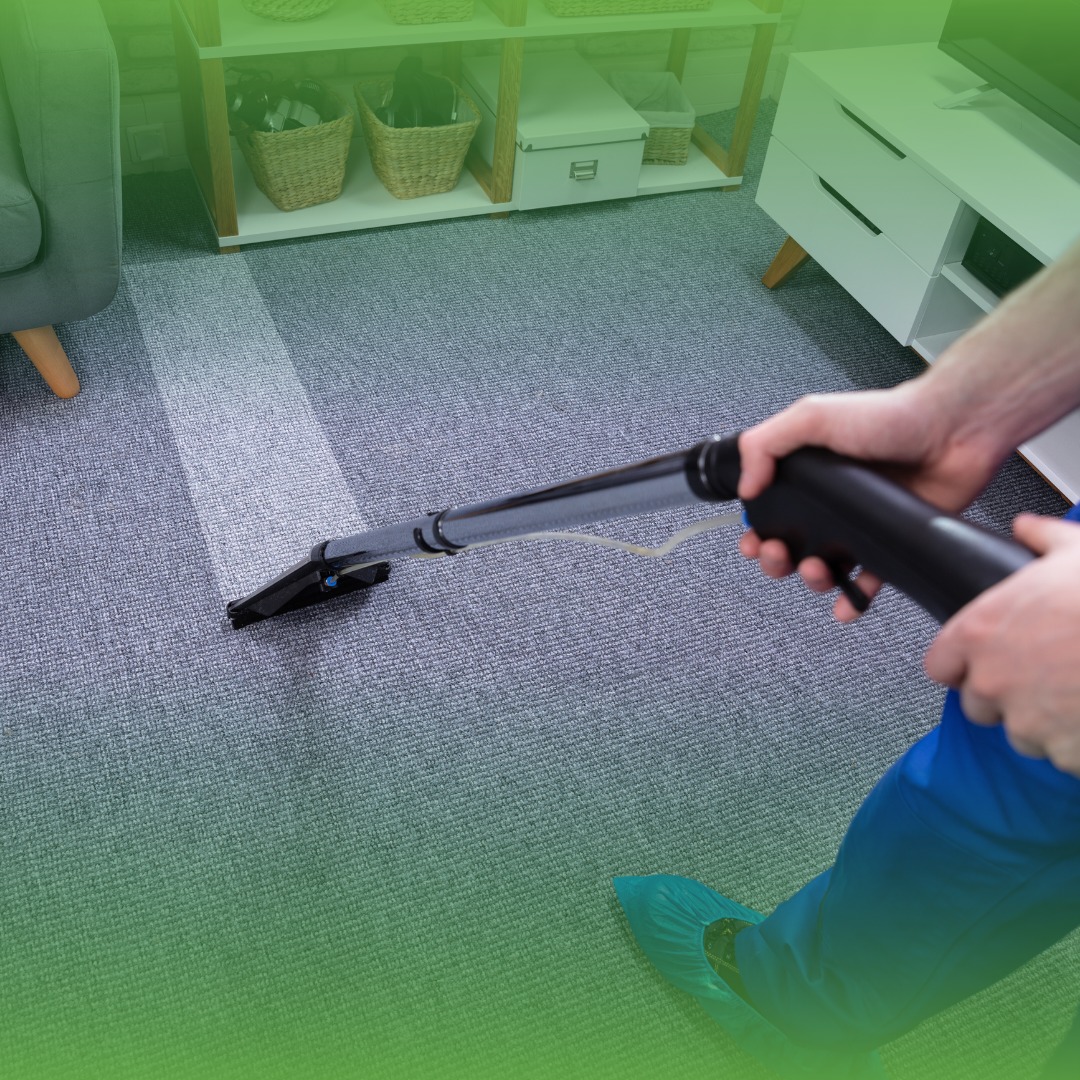
The quality of indoor air in Canoga Park isn’t static. Different seasons bring distinct environmental factors that influence the air we breathe indoors, and knowing how these changes interact with your floors is key. Following effective rug maintenance tips can help reduce allergens, dust, and pollutants, keeping your home both comfortable and safe year-round.
- Winter
Cold weather drives people indoors, which can concentrate pollutants. Heating systems often dry the air, worsening respiratory issues. Dust, pet dander, and mold spores may accumulate more easily.
- Spring
Pollen levels rise dramatically. Allergens can enter through open windows or on clothing, triggering allergic reactions. Moisture from spring showers can also encourage mold growth.
- Summer
High heat and humidity encourage mold and mildew. Air conditioning units may accumulate dust and bacteria if filters aren’t cleaned regularly.
- Fall
Falling leaves and seasonal debris can carry allergens into your home. Cooler nights may require heating, which can again dry the air indoors.
By anticipating these seasonal changes, you can take proactive measures rather than reacting after symptoms appear.
Common Pollutants Affecting Seasonal Indoor Air Quality
Indoor air quality changes with the seasons, influenced by temperature, humidity, and human activity. Various pollutants can affect the air you breathe inside your home or workplace, often fluctuating depending on the time of year. Understanding these pollutants helps you take the right precautions to maintain a healthier indoor environment. At Rug Cleaning Canoga Park, experts not only keep your rugs spotless but also help improve your indoor air quality by reducing dust, allergens, and other seasonal pollutants that accumulate over time.
- Dust and Dust Mites
Thrive in warm, humid months, affecting summer and early fall.
- Mold and Mildew
Develop in damp areas, especially during spring and summer.
- Pollen
Peaks in spring but can linger into early summer, triggering allergies.
- Volatile Organic Compounds (VOCs)
Emitted from paints, cleaners, and furniture, often accumulating during winter when ventilation is reduced.
- Pet Dander
Year-round, but winter confinement indoors increases exposure.
Awareness of these pollutants helps target your seasonal indoor air quality strategy effectively.
Practical Tips to Breathe Cleaner Indoor Air
Maintaining clean air at home in Canoga Park doesn’t have to be complicated. By adopting a few simple practices, you can effectively manage the changes that each season brings. From the pollen-heavy days of spring to the dry, dust-prone air of winter, understanding how your indoor environment shifts throughout the year allows you to take proactive steps. Regularly cleaning rugs, ventilating rooms, and using air-purifying techniques can help reduce allergens and pollutants, ensuring that your home remains a comfortable and healthy space no matter the season.
1. Winter Air Care
- Use a humidifier to combat dry air and prevent respiratory irritation.
- Change furnace and heating system filters regularly.
- Vacuum frequently, especially rugs and upholstered furniture, to reduce dust and dander.
- Consider air purifiers with HEPA filters to trap fine particles.
2. Spring Air Care
- Keep windows closed during high pollen days and use AC filters to trap allergens.
- Wash bedding, curtains, and rugs to remove accumulated pollen and dust.
- Monitor humidity to prevent mold growth during rainy periods.
- Clean your HVAC system to avoid circulating allergens throughout your home.
3. Summer Air Care
- Ensure your air conditioner is serviced and filters are cleaned monthly.
- Use dehumidifiers in damp areas like basements to prevent mold.
- Ventilate when outdoor air quality is good, avoiding high-pollen or smog-heavy days.
- Reduce indoor VOCs by limiting harsh chemical use and ventilating after cleaning.
4. Fall Air Care
- Seal gaps in doors and windows to prevent allergens and debris from entering.
- Rake leaves and maintain outdoor areas to reduce pollen and mold exposure.
- Inspect and clean heating systems before winter starts.
- Keep indoor humidity between 30–50% for comfort and mold prevention.
Tools and Technology for Year-Round Air Quality
Investing in modern solutions can make seasonal home air care easier and more efficient. Air purifiers with HEPA and activated carbon filters help remove particles, pollen, and odors, while smart thermostats maintain optimal temperature and humidity levels automatically. Humidity monitors track indoor moisture to prevent mold growth or dry air issues, and certain indoor plants can naturally filter the air, provided their soil is properly cared for to avoid mold. By combining these technologies with seasonal awareness, homeowners can take a proactive approach to seasonal home air care rather than waiting to react to problems.
Embrace Healthier Living Year-Round
Understanding how seasonal indoor air quality shifts throughout the year empowers homeowners in Canoga Park to create a cleaner, healthier living space. Each season brings unique air challenges, from pollen and dust to humidity and dryness, but with consistent cleaning habits, mindful ventilation, and the right tools, you can maintain a balanced indoor environment. Small adjustments made in response to seasonal changes not only enhance comfort and health but also protect your home’s overall air quality for the long term.