Signs Of Poor Ventilation In Home: Early Warning Clues Every Homeowner Should Know
A home can look clean, smell fresh, and still have a ventilation problem hiding in plain sight. That is what makes poor ventilation so easy to ignore. Many homeowners do not notice it right away because the warning signs build slowly. A room feels stuffy now and then. A mirror stays foggy longer than usual. Laundry takes one more cycle to dry. The air feels heavy, but no one can point to one big issue. Then, over time, the small clues start connecting.
The bathroom smells damp. The kitchen keeps holding onto smoke after dinner. Dust seems to come back too fast. Family members complain about headaches, dry throat, or feeling tired at home. What started as a minor comfort issue turns into something more expensive and harder to fix.
In Hidden Hills, this can be even more frustrating because homes often stay closed up for comfort, noise control, and temperature control. When air cannot move the way it should, stale air gets trapped inside. Moisture builds. Heat lingers. Appliances work harder. The whole home starts to feel less healthy and less efficient.
Signs Of Poor Ventilation Home Owners Should Address Early
One of the clearest signs of poor ventilation home owners miss is a change in how the house feels from room to room. You may walk into one area and notice it feels muggy, while another room feels dry and hot. That uneven feeling often means fresh air is not moving properly through the home.
This is also where many people first notice indoor airflow issues. Air may feel still in bedrooms, stuffy in hallways, or trapped in laundry rooms. You might open a window just to make the space feel normal again. That is not always a sign of bad weather or a temporary comfort issue. It can point to a home that is not breathing the way it should.
If you are trying to keep your home healthier, it helps to learn more about safer home cleaning solutions that support better indoor conditions without adding harsh smells or residues.
A ventilation problem usually does not show up with one dramatic warning. It shows up through patterns like these:
- Rooms that smell stale even after cleaning
- Steam that stays on windows and mirrors for too long
- Cooking odors that move through the house and stay there
- A laundry room that feels hot and humid after every load
- Dust that seems to settle again right after you wipe surfaces
- Air that feels heavy, sticky, or hard to breathe
These are the kinds of clues people often brush off because life is busy. But poor airflow affects more than comfort. It can change how your home ages and how well your appliances run.
A simple way to think about it is this: your house needs a path for air to leave and fresh air to come in. When that path gets blocked, the home starts holding onto things it should release, like moisture, heat, odors, and particles from daily living.
Signs Of Poor Ventilation Home Every Homeowner Should Watch For
Signs of poor ventilation home often start subtly, making them easy to overlook in daily life. Many homeowners only realize there is an issue when the signs of poor ventilation home begin affecting comfort, such as a stuffy atmosphere, lingering odors, or rooms that feel less fresh even after cleaning.
Signs of poor ventilation home can also show up through moisture-related problems like foggy mirrors, damp bathroom walls, and slow-drying laundry. These signs of poor ventilation home indicate that air is not circulating properly, allowing humidity and stale air to build up inside the house.
Signs of poor ventilation home may eventually impact health and household efficiency, leading to headaches, fatigue, and increased strain on appliances. When signs of poor ventilation home are ignored, they can result in higher energy costs, mold growth, and long-term damage to your living environment.
Why Moisture And Heat Build Up Faster Than Most People Expect
Ventilation problems and moisture problems often travel together. That is why foggy windows, peeling paint, and musty smells deserve attention. They are not random home quirks. They are signs that damp air is hanging around too long.
Many families first notice household moisture problems in the bathroom. The fan runs, but the room still feels wet long after a shower. Towels stay damp. Grout starts looking darker. Paint near the ceiling begins to crack. In the kitchen, steam from cooking may collect on glass and walls. In the laundry room, warm air can turn heavy fast when the dryer runs.
This is where proper vent maintenance matters more than people realize. A clogged or restricted dryer vent can keep hot, moist air trapped where it does not belong. If you want to understand the value of dryer vent service in Hidden Hills, this is one of the biggest reasons to look into it early.
Moisture can be sneaky because it does not always show up as a leak. Sometimes it shows up as a feeling. Other times it leaves marks behind:
- Condensation on windows in the morning
- A damp smell in closets or corners
- Warped wood near bathrooms or laundry areas
- Mold spots around vents, ceilings, or window frames
- Walls that feel cooler and wetter than normal
These are common household moisture problems, and they often grow when ventilation is weak. Moisture needs a way out. If it stays inside, it finds surfaces to settle on. Over time, that can damage drywall, trim, cabinets, and flooring.
For homeowners in Hidden Hills, that is an important point. Even a beautiful home can develop hidden moisture trouble if the airflow system is not doing its job.
Stuffy Rooms, Bad Smells, And The Feeling That Air Is Not Moving
One of the most frustrating parts of poor ventilation is that it can be hard to describe. People often say, “The house just feels off.” That simple comment is worth paying attention to.
When air stops moving well, the home feels tired. It may smell stale in the morning even after windows were opened the day before. Air fresheners may cover the odor for a while, but the smell comes back. That is often because the issue is not surface dirt. It is trapped air.
Here are a few common odor patterns tied to ventilation trouble:
- A musty smell near the laundry room
- Cooking odors that drift into bedrooms
- Pet smells that seem stronger indoors than outside
- A burnt or dusty smell when vents kick on
- A lingering smell in bathrooms after use
These problems often point back to indoor airflow issues. When air cannot circulate and escape properly, smells settle in fabrics, rugs, furniture, and walls. That is why a home may feel less fresh even when it is cleaned often.
A good example is the laundry room. If the dryer is running but the room gets hotter and more humid every cycle, the vent may not be clearing air the way it should. That can lead to odor, lint buildup, and poor drying performance all at once.
Another of the signs of poor ventilation home owners notice is that family members start opening doors or windows in certain rooms all the time just to feel comfortable. When one room keeps needing “airing out,” the home is telling you something.
When Your Dryer Starts Taking Longer, Your Home May Be Warning You
Many people think a slow dryer means the appliance is getting old. Sometimes that is true. But in many cases, the real problem is restricted airflow.
A dryer depends on strong venting to push hot, moist air outside. If the vent is clogged with lint or blocked in some other way, the appliance cannot work as it should. Clothes stay damp. Cycles get longer. The machine runs hotter. Energy use goes up. That is where real appliance performance risks begin.
It is not only about annoyance. It is about wear and tear. When appliances struggle, they often burn through parts faster. The dryer may overheat. The motor may work harder than it should. Sensors can stop reading moisture correctly. Bills can rise without you even realizing why.
Watch for these laundry room clues:
- Towels come out warm but still damp
- One load takes two or three cycles to finish
- The outside of the dryer feels unusually hot
- The laundry room becomes hot during a cycle
- You smell something dusty or slightly burnt
- Lint seems to collect faster than usual
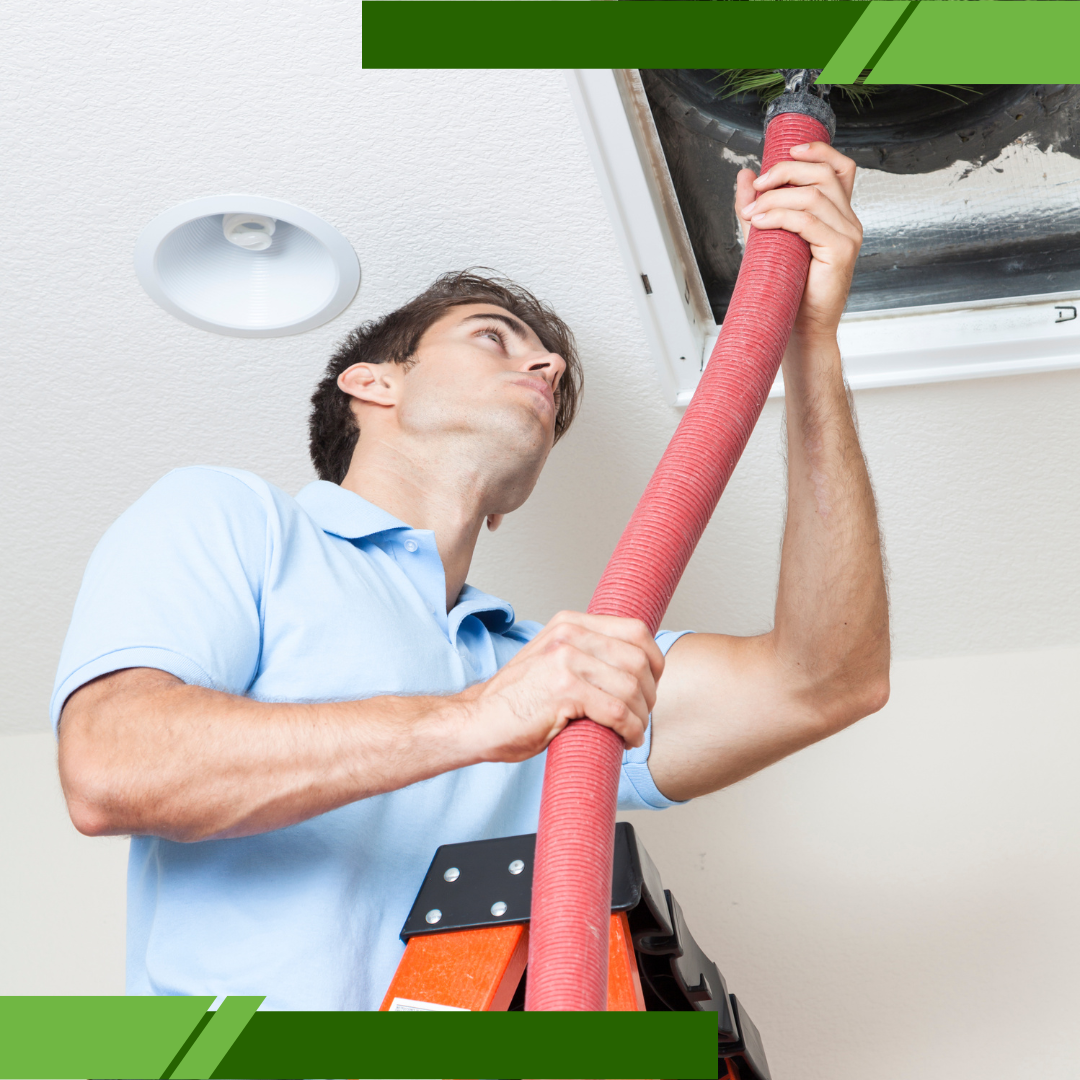
This is why dryer vent cleaning matters so much. A restricted vent does not just reduce comfort. It can create safety concerns and hidden damage. In many homes, it is one of the most overlooked parts of the whole ventilation system.
Hidden Hills homes often include larger laundry spaces, longer vent runs, or layouts where the vent path is not simple. That can make routine cleaning even more important.
Small Health Complaints That Get Worse Inside The House
Poor ventilation does not always start with the building. Sometimes it starts with how people feel. A person may notice they get headaches in one room but feel fine outside. A child may wake up stuffy every morning. Someone may feel tired, sneezy, or irritated around dust even though the house looks neat. These signs do not always point to one exact cause, but stale indoor air can play a big role.
When fresh air is limited, particles stay trapped longer. That may include dust, pet dander, cooking smoke, and moisture in the air. Even simple daily routines can add to the problem. Frying food, taking hot showers, drying laundry, and using cleaning products all change indoor air quality.
You may notice:
- Dry throat in the morning
- More sneezing indoors
- Eye irritation after cooking
- Trouble feeling comfortable in closed rooms
- A heavy feeling in the air at night
When ventilation improves, many homeowners say the biggest difference is not what they see first. It is what they feel. The home becomes easier to relax in. Rooms smell fresher. Breathing feels easier. The house feels lighter.
That is why it helps to think of ventilation as part of daily comfort, not just a technical home issue.
The Places Homeowners Forget To Check
Most people think about vents only when a major problem appears. But several spots in the home can quietly show that airflow is off.
Here is a quick checklist of areas worth paying attention to:
Bathroom : Mirrors stay foggy, mildew keeps returning, walls stay damp.
Kitchen : Smoke lingers, grease builds up fast, odors spread through the house.
Laundry room : The room gets hot, clothes take longer to dry, lint gathers quickly.
Bedrooms : Air feels stale in the morning, windows show condensation, the room feels stuffy at night.
Closets and corners : Musty smell, damp feeling, or signs of mold on walls and trim.
These clues matter because they show where air is getting trapped. You do not need a major inspection to start noticing them. Most of them can be picked up during a normal week at home. And once you start connecting the dots, the pattern gets clearer.
What Homeowners Should Do Before The Problem Grows
The good news is that many ventilation problems can be addressed before they turn into expensive repairs. The key is acting while the signs are still small.
Start with a simple plan:
- Notice where the home feels stuffy, humid, or slow to clear odors.
- Pay attention to bathrooms, kitchens, and laundry spaces first.
- Check whether fans are working well and actually moving air out.
- Watch how your dryer performs from one load to the next.
- Schedule professional help when you see repeated warning signs.
You do not have to wait for visible mold, water damage, or a broken appliance to take action. In fact, waiting is what usually makes the issue more expensive.
For example, a dryer that takes longer to dry today may turn into a larger repair tomorrow. A foggy bathroom can become peeling paint. A stale room can turn into a mold-prone space if moisture keeps building up. That is why regular vent care is such a smart step. Services like Dryer Vent Cleaning Hidden Hills can help restore better airflow, reduce moisture buildup, and support safer appliance use.
A Healthier Home Starts With Paying Attention To The Little Signs
Homeowners often look for one big warning before they act. Ventilation problems rarely work that way. They build quietly through stuffy rooms, damp smells, slow dryer cycles, and air that never feels fully fresh.
When the signs of poor ventilation home owners notice start showing up in more than one place, it is time to stop brushing them off. Those clues are often connected. They tell the story of a home that is holding onto too much heat, too much moisture, and too much stale air.
If your bathroom stays wet, your laundry room feels hot, or your home never seems to smell fully clean, take that seriously. Another of the signs of poor ventilation home owners should not ignore is when everyday comfort keeps slipping little by little. A home should feel fresh, balanced, and easy to live in.
For families in Hidden Hills, catching these issues early can protect comfort, help appliances run better, and prevent long-term damage. Better airflow is not just about convenience. It supports a cleaner, safer, and healthier place to live.