Understanding Indoor Air Changes At Home
Many families notice small changes inside their homes but often ignore them at first. A room that once felt fresh may start feeling heavy or slightly uncomfortable, especially during seasonal shifts. These changes are often connected to airflow, trapped dust, or hidden moisture that builds up slowly over time. In places like Los Angeles, where the weather shifts between dry heat and cooler nights, indoor conditions can change faster than expected. When this happens, people may start feeling tired at home without knowing why.
Simple routines like opening windows in the morning or letting fresh air move through hallways can make a difference. This is part of what many people now call seasonal home care, a way of adjusting daily habits based on weather changes. It helps reduce buildup and keeps the home feeling lighter. Still, even with good habits, some households begin noticing subtle issues that point to deeper indoor air problems.
Warning Signs Indoor Air Problems You Should Notice Early
The phrase warning signs indoor air problems is more important than most people realize because homes often give clues long before conditions become serious. These signs usually appear slowly, making them easy to miss. In many homes across Los Angeles, people first notice changes in comfort before they see visible dust or odor buildup.
One common sign is a constant stuffy feeling, even when windows are open. Another is waking up with a dry throat or mild headaches. These are often linked to air quality concerns that develop when indoor spaces do not circulate properly. In some cases, cooking smells or smoke linger longer than usual, which is another red flag.
Rooms That Feel Heavy Or Stale Even After Cleaning
This usually indicates poor air circulation, where old indoor air is not being replaced with fresh air, causing the space to feel uncomfortable.
Frequent Sneezing Or Coughing Indoors
This can be a sign of airborne irritants such as dust, allergens, or pollutants that remain suspended due to inadequate ventilation.
Dust Settling Quickly On Surfaces
This suggests continuous dust circulation in the air, often caused by weak airflow or ineffective filtration.
Weak Airflow From Vents Or Fans
This may point to blocked vents, dirty air filters, or system issues that prevent proper air from moving throughout the home.
Persistent Musty Or Smoky Smells
This often means odors are trapped in fabrics, walls, or hidden areas, and without good ventilation, they continue to linger indoors.
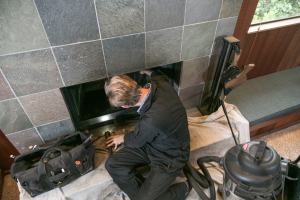
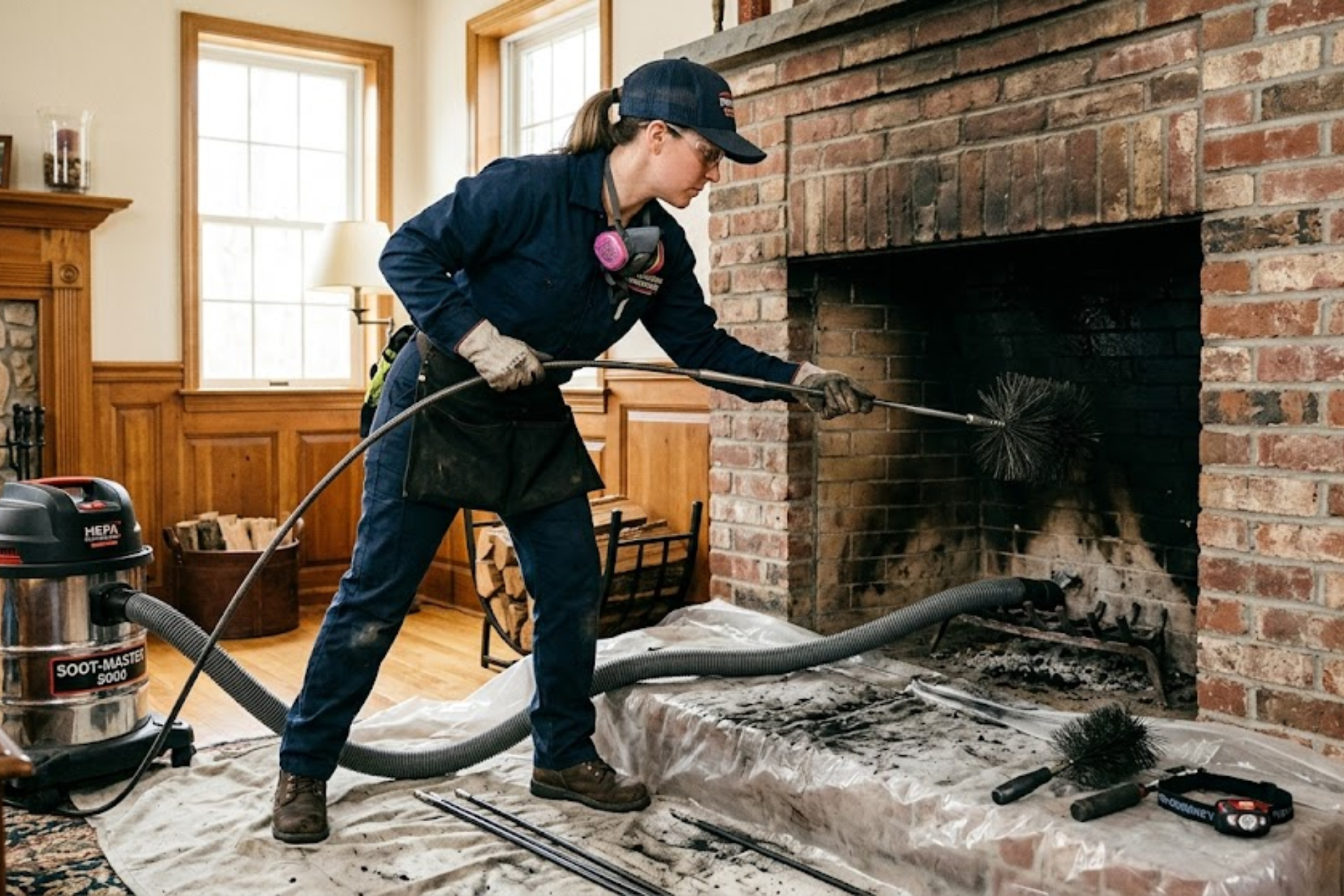
When these symptoms appear together, it becomes clearer that warning signs of indoor air conditions should not be ignored. Many homeowners experience this during seasonal changes when windows stay closed for longer periods. In some situations, chimney or vent systems may also contribute to poor airflow. Services such as professional chimney cleaning services are often used to support cleaner air movement inside the home, especially in older properties or homes that use fireplaces during colder months.
A known issue in homes that rely heavily on indoor heating is poor maintenance of airflow systems. For example, Chimney Cleaning Los Angeles services are often recommended when smoke or odor begins lingering indoors. Even small blockages can contribute to noticeable air quality concerns over time. The keyword warning signs of indoor air should always be taken seriously when paired with physical discomfort or changes in how a home feels. These signs are not random they are early warnings that something inside the environment needs attention.
Everyday Symptoms Inside The Home That Should Not Be Ignored
As time goes on, indoor air issues can affect daily comfort in more obvious ways. People often adjust without realizing the root cause. They might use air fresheners more often or open windows frequently, but the discomfort still returns. This is where warning signs of indoor air problems become harder to ignore. In some households, especially in busy cities like Los Angeles, pollution from outside can also mix with indoor conditions, which can increase air quality concerns and make symptoms more noticeable over time, sometimes leading to ongoing fatigue or discomfort while at home.
Everyday symptoms that may indicate deeper issues include feeling tired or sleepy while staying indoors, eyes becoming irritated after long periods inside, difficulty breathing comfortably at night, increased allergy symptoms during certain seasons, and rooms feeling uneven in temperature or airflow. These symptoms often worsen when seasonal home care routines are skipped, as regular cleaning, airflow adjustments, and attention to vents help reduce buildup that affects breathing comfort. These are also common warning signs indoor air quality may be declining and should not be ignored. However, when problems continue despite consistent upkeep, it may signal that a deeper inspection of indoor air conditions is needed.
Many homeowners also notice that indoor comfort changes depending on the time of year. During colder months, closed windows trap air inside, increasing dust and moisture. During warmer months, heat can amplify odors and make rooms feel stagnant. These changes often lead to rising air quality concerns that affect sleep and daily focus.
This is why seasonal home care is so important, as it helps homeowners adjust their routines before issues grow into larger concerns. Simple habits like rotating air filters, checking vents, and letting fresh air circulate can prevent discomfort from becoming a long-term problem. Another important detail is that air quality concerns are not always visible, since a home can look clean but still feel uncomfortable due to trapped particles in carpets, curtains, or hidden corners. When these issues build up, they often connect back to warning signs of indoor air patterns that started weeks or months earlier, which is why many homeowners also incorporate environmentally safe cleaning methods to maintain a healthier and more balanced indoor environment.
Simple Habits That Help Improve Indoor Air Naturally
Improving indoor comfort does not always require major changes, as small daily habits can slowly restore balance in the home, especially when consistency is maintained, and homeowners repeat simple actions that make the indoor environment easier to manage over time. Practical habits that help improve airflow and freshness include opening windows early in the morning to refresh indoor air, keeping vents and fans unobstructed by furniture, cleaning surfaces regularly to reduce dust buildup, replacing air filters on a set schedule, and avoiding blocking airflow between rooms.
These routines support better breathing conditions and help reduce long-term buildup that can lead to discomfort. In busy cities like Los Angeles, where outdoor and indoor air often mix, maintaining these habits becomes even more important for sustaining a cleaner and more comfortable living space.
Another helpful approach is adjusting seasonal home care routines throughout the year. For example, during colder months, homeowners may focus more on ventilation alternatives since windows are closed. During warmer months, airflow can be improved naturally by creating cross-breezes.
It is also helpful to remember that air quality concerns can come from unexpected sources, and even furniture, carpets, and household products can slowly affect how the air feels inside the home. Paying attention to these details helps reduce long-term discomfort, especially when early warning signs indoor air issues begin to appear in daily living conditions. When problems become harder to manage, professional support may be needed, and in some cases, services like maintenance or inspection are recommended to restore proper airflow systems and remove hidden buildup. This is especially common in older homes or properties that have not been checked for a long time.
The idea of warning signs of indoor air problems is not just about reacting to discomfort; it is about prevention. When homeowners stay aware of small changes, they can avoid larger issues later. Even simple steps like noticing odors early or checking airflow strength can make a big difference. Ultimately, a comfortable home should feel light, fresh, and easy to breathe in. When that feeling changes, it is worth paying attention. With consistent care, awareness, and simple routines, any home can maintain healthier indoor conditions throughout the year.