Essential Tips to Prevent Winter Home Hazards and Ensure Family Safety
Winter can transform our homes into cozy retreats, but it also brings hidden dangers. Being aware of these risks and taking proactive measures is essential for ensuring family safety during the colder months. From icy walkways to faulty heating systems, understanding winter home hazards and learning how to prevent them can save you from costly repairs and, more importantly, keep your loved ones safe.
Slippery Surfaces: The Icy Threat
One of the most common winter home hazards is ice, as sidewalks, driveways, and even small steps can become slick, turning a simple walk into a dangerous slip-and-fall situation. To reduce the risk, apply ice melt or sand to walkways regularly, keep outdoor lights on to help spot icy patches, and encourage family members to wear shoes with good traction. Even indoor areas can become slippery when snow or rain is tracked inside, so placing mats at entrances helps absorb moisture and reduce falls. By staying proactive, you can address winter home hazards effectively and ensure family safety without compromising your daily routine.
Heating Systems and Chimney Hazards
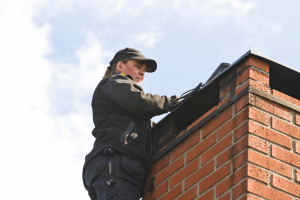
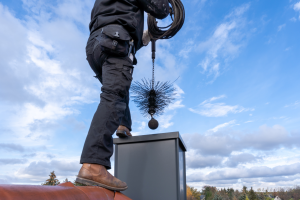
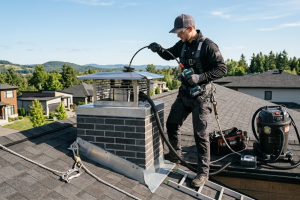
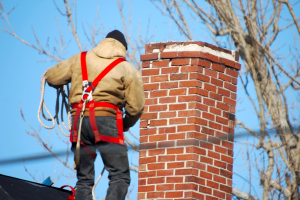
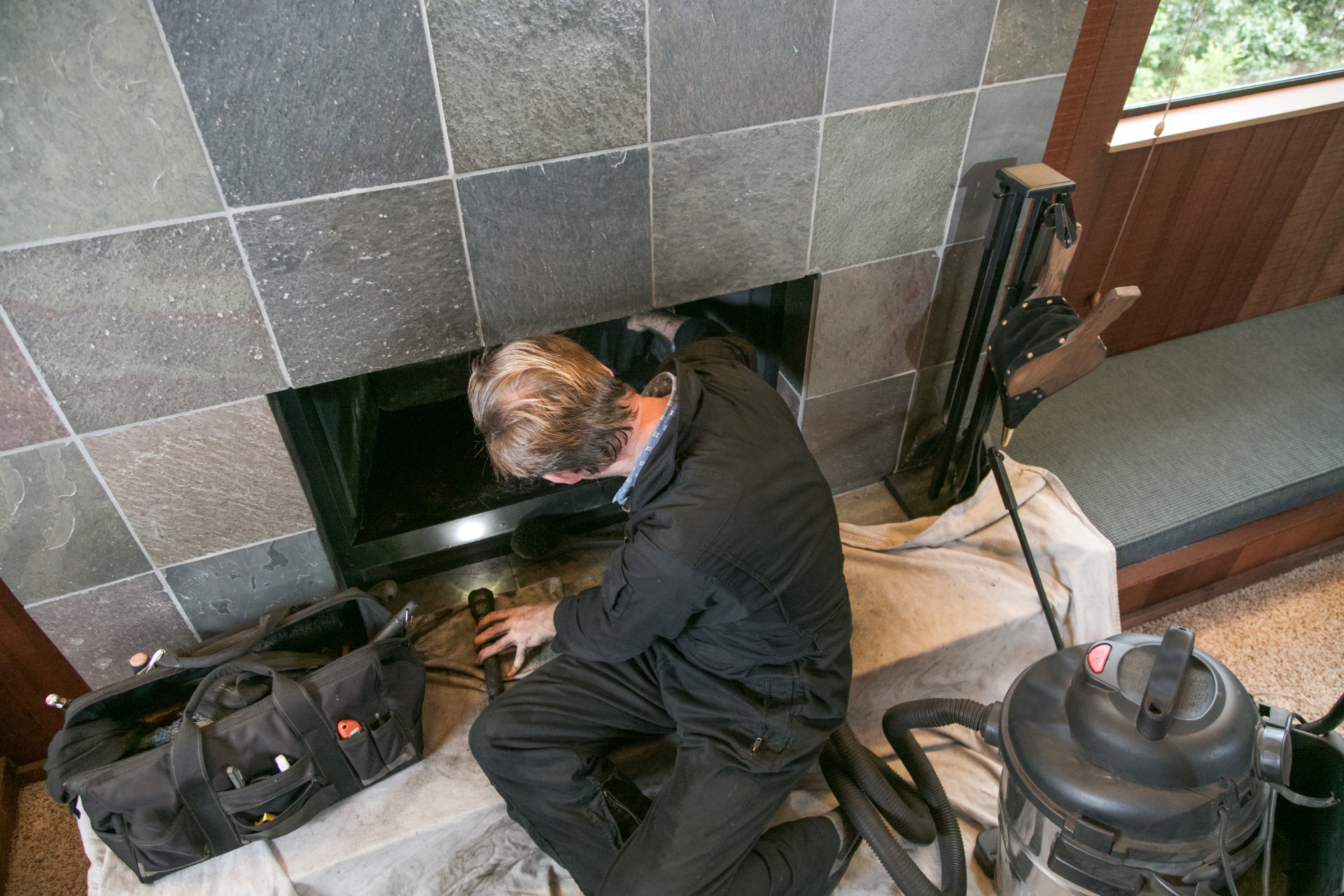
Heating your home efficiently is vital, but older or poorly maintained systems can pose serious winter home hazards. Furnaces, space heaters, and fireplaces can all be fire risks if not properly inspected and cleaned. To stay safe, schedule annual inspections for your furnace and fireplace, keep flammable objects at least three feet away from heaters, and never leave space heaters unattended. For those with fireplaces, Chimney Cleaning West Covina is crucial to prevent dangerous creosote buildup, which can easily ignite and cause fires. Residents in West Covina often overlook chimney maintenance, but cleaning your chimney regularly protects your home and ensures safe, efficient heating. Using professional services guarantees that your fireplace is both functional and safe for family gatherings.
Electrical Risks and Fire Prevention
Electrical problems often spike during winter, making them another key winter home hazard. Overloaded outlets, frayed cords, and improper use of extension cords can lead to fires. To prevent this:
Creosote Buildup
Creosote is a highly flammable residue that accumulates on the inside walls of a chimney from burning wood. Over time, layers of creosote can ignite and cause chimney fires.
Schedule regular chimney cleaning with professional chimney cleaning services to remove creosote before it becomes a serious hazard. Burn only dry, seasoned wood to minimize buildup.
Blocked Flue or Chimney
Debris such as leaves, bird nests, or soot can block the chimney flue. This blockage prevents proper airflow, causing smoke and harmful gases to back up into your home. It can also overheat and ignite flammable materials.
Inspect and clean the chimney at least once a year. Ensure the flue is open and clear before lighting any fire.
Cracked or Damaged Chimney Structure
Cracks in the masonry or liner of a chimney can allow heat or sparks to escape into surrounding walls, ceilings, or insulation, creating a fire risk.
Have a professional inspect your chimney for structural damage during annual maintenance. Repair cracks or replace damaged liners promptly.
Electrical Wiring Near Chimney
Improper or old electrical wiring near the chimney can overheat from nearby heat or sparks, increasing the risk of electrical fires.
Keep all electrical wiring at a safe distance from the chimney. Hire a licensed electrician to inspect and secure any wiring close to the fireplace.
Faulty Fireplace Components
Damaged dampers, grates, or spark guards can allow sparks to escape into the home, igniting nearby combustible materials.
Install proper spark guards and replace worn fireplace components. Ensure dampers close tightly to control airflow when the fireplace is not in use.
Keeping your electrical systems in check is an essential part of home maintenance tips that protect your family. Simple measures like unplugging unused devices and using certified equipment can prevent both small and catastrophic hazards. Consider routine electrical inspections as part of your winter preparation to avoid dangerous surprises.
Carbon Monoxide and Indoor Air Safety
During winter, homes are often sealed tightly to conserve heat, which can trap dangerous gases indoors, making carbon monoxide (CO) a silent and potentially deadly winter home hazard. Safety measures include installing CO detectors near bedrooms and living areas, ensuring gas appliances are properly vented, and never using generators or grills indoors. Regular inspections and awareness are vital home maintenance tips that protect your family from this invisible threat. Residents of West Covina can schedule annual check-ups for gas and heating systems to ensure their homes are free of CO buildup, as detecting issues early can save lives and maintain a worry-free environment throughout the winter.
Water Pipes and Freezing Risks
Frozen pipes are another common concern during winter, as water expands when it freezes, causing pipes to burst and flood your home. This creates costly damage and disrupts daily life. To prevent freezing, insulate pipes in unheated areas like basements or garages, let faucets drip slightly during extreme cold to keep water flowing, and keep indoor temperatures consistent, even when away. Following these home maintenance tips helps prevent structural damage and keeps your family safe from water-related accidents. Minor investments in insulation or pipe protection can save thousands in repairs while avoiding stressful emergency situations.
Fire Safety and Everyday Precautions
Winter brings an increase in home fires, often caused by candles, fireplaces, or decorative lights. Simple steps can significantly reduce the risk: never leave candles or fireplaces unattended, check that holiday lights are certified and in good condition, and keep fire extinguishers accessible while knowing how to use them. Educating your family about fire safety ensures family safety and helps everyone respond quickly in case of emergencies. Combining these preventive measures with professional inspections in West Covina creates a strong safety net during the winter months.
Outdoor Safety: Snow, Ice, and Visibility
For homes in areas that experience snow or frost, outdoor hazards are often underestimated, as snow and ice can cover dangers like uneven walkways, rocks, or garden equipment. To reduce risks, clear pathways daily to prevent slips, use reflective markers or lights for better visibility, and dress appropriately with footwear that has good traction. Routine vigilance combined with preventive home maintenance tasks ensures that both indoor and outdoor areas remain safe for everyone, especially children and elderly family members.