Hidden Hazards at Home: Why Your Laundry Area Deserves More Attention
Your home feels like a safe place. You wake up, make coffee, toss a load of laundry in, and go about your day. It’s a routine you don’t think twice about. But what if one of the most common parts of your daily life, the laundry area, was quietly hiding dangers? Most people don’t notice problems until something goes wrong. A strange smell. A dryer that overheats. Lint is building up in places you didn’t expect. These small signs can point to bigger issues. And when ignored, they can turn into serious hazards. This is why understanding laundry area safety risks is more important than many homeowners realize.
Why Laundry Area Safety Risks Should Never Be Ignored
The laundry area is often tucked into a corner, basement, or small room. Because it’s out of sight, it’s also out of mind. But inside that small space are heat sources, electrical systems, water lines, and airflow systems, all working together.
Lint Buildup Inside the Dryer Vent
Lint is highly flammable. When it accumulates inside the dryer vent, it restricts airflow and traps heat. This can cause the dryer to overheat, significantly increasing the risk of a fire. In fact, clogged vents are one of the leading causes of household dryer fires. Regular cleaning isn’t just about efficiency; it’s critical for safety.
Overloaded Electrical Outlets
Plugging multiple high-powered appliances into a single outlet or extension can overwhelm your electrical system. This can lead to overheating, melted wiring, or even electrical fires. Laundry machines already draw a lot of power, so they should always have properly rated, dedicated outlets.
Poor Ventilation
A poorly ventilated laundry area allows heat and moisture to build up. This creates the perfect environment for mold growth and can also strain your dryer, making it less efficient and more prone to overheating. Over time, excess humidity can damage walls, ceilings, and even nearby electrical systems.
Water Leaks Near Electrical Components
Water and electricity are a dangerous combination. Even a small leak near outlets, cords, or appliances can lead to short circuits, electrical shocks, or fires. Leaks can also go unnoticed for long periods, silently causing structural damage and increasing repair costs.
Old or Damaged Dryer Hoses
Cracked, crushed, or outdated hoses (especially plastic or foil ones) can trap lint more easily and are more likely to tear or disconnect. This not only reduces efficiency but also increases the risk of lint buildup and fire. Modern rigid or semi-rigid metal ducts are much safer and more durable.
A Real-Life Routine That Turns Risky
You start a load of laundry before heading out. It’s something you’ve done hundreds of times. But today, lint has built up deeper inside the vent than usual. The dryer works harder. It gets hotter. Hours later, that trapped heat could ignite lint, a highly flammable material.
This is not rare; it happens more often than people think. Homeowners are especially encouraged to stay alert because seasonal weather changes can affect ventilation systems. Dry air, dust, and debris can all contribute to buildup over time, increasing laundry area safety risks if left unchecked. That’s why having a home maintenance checklist is not just helpful, it’s necessary for keeping your home safe and running efficiently.
Small Signs That Point to Bigger Problems
Your laundry area usually gives warning signs before something serious happens. The key is knowing what to look for.
Clothes Are Taking Longer Than One Cycle to Dry
If your clothes aren’t drying efficiently, it often means airflow is restricted. This is usually caused by lint buildup in the vent or a blocked exhaust duct. The longer drying time forces your dryer to work harder, increasing wear and tear while also raising the risk of overheating and fire.
A Burning Smell While the Dryer Runs
A burning odor is a major red flag. It’s commonly caused by lint accumulating near the heating element or inside the vent system. Since lint is highly flammable, this smell could be an early warning of a potential fire hazard. It should never be dismissed as “normal.”
Excess Lint Around the Dryer Opening
Seeing lint collecting around the dryer door or outside the vent suggests that lint isn’t being properly expelled. This can mean a clogged vent, a damaged lint trap, or leaks in the ductwork. Over time, this buildup can spread inside the system and become a serious fire risk.
The Dryer Feels Unusually Hot to the Touch
While dryers naturally generate heat, an excessively hot exterior often indicates poor ventilation or internal blockages. When heat can’t escape properly, it builds up inside the machine, stressing components and increasing the chance of overheating or ignition.
Increased Humidity in the Laundry Room
A noticeable rise in moisture levels usually means the dryer isn’t venting air outside correctly. This could be due to a disconnected, crushed, or clogged vent hose. Beyond making the room uncomfortable, excess humidity can lead to mold growth, wall damage, and reduced air quality.
A good habit is to check your home maintenance checklist once a month. It doesn’t take long, and it can prevent costly repairs or worse.
Dryer Safety Tips Every Homeowner Should Know
Dryers are one of the most frequently used appliances in any home, yet they are often overlooked when it comes to safety. That’s why following simple dryer safety tips can go a long way in preventing hazards. Start by cleaning the lint trap after every load to reduce fire risk and improve efficiency. It’s also important to inspect the vent hose regularly for any damage or clogs that could restrict airflow. Avoid overloading the dryer, as this can cause overheating and unnecessary strain on the machine.
Keep flammable items away from the unit to minimize the chance of accidental ignition, and make it a habit to schedule regular vent cleaning to ensure everything is functioning properly. These small but effective dryer safety tips can make a big difference in keeping your home safe. Many homes are older, which means dryer systems may not meet modern safety standards, making routine checks even more essential. If you haven’t checked your dryer vent in months or even years, now is the time to take action.
The Hidden Connection Between Laundry Areas and Chimneys
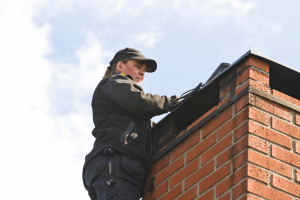
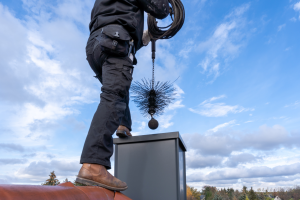
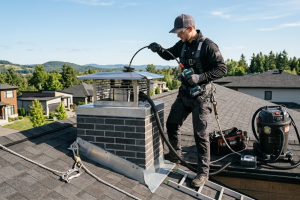
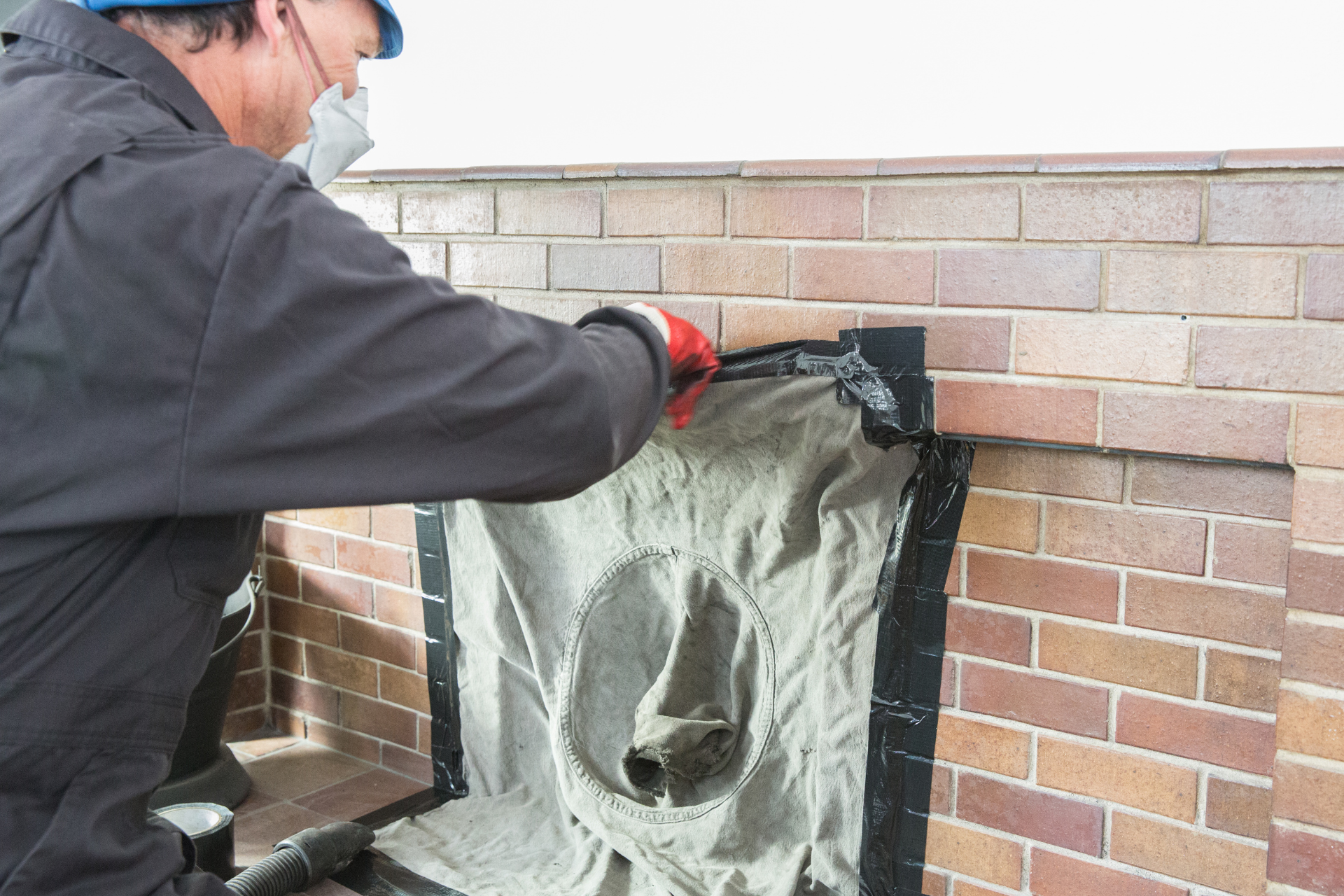
You might be wondering what chimney cleaning has to do with laundry safety. The answer is airflow. Both your dryer vent and chimney rely on proper ventilation to move heat and air safely out of your home, and when one system is neglected, it often means others are too. That’s why many homeowners turn to trusted services like professional home cleaning experts to inspect multiple areas of the house at once. In Mount Wilson, where homes often deal with dust, debris, and seasonal buildup, this connection becomes even more important. Blocked chimneys and clogged dryer vents share the same risk: trapped heat, and trapped heat is dangerous.
When to Call Professionals for Help
There are times when DIY cleaning is not enough, especially if you notice warning signs like persistent burning smells, a dryer shutting off mid-cycle, visible lint deep inside vents, or excess heat in the laundry area. In these cases, it’s best to call in experts. Professionals have specialized tools that go beyond what a regular homeowner can use, allowing them to clean deep inside vents and check for hidden damage. Services like chimney cleaning services also highlight how important it is to maintain proper airflow throughout your home. For residents in Mount Wilson, combining these services can save time and improve overall home safety. And if you’re searching specifically for Chimney Cleaning Mount Wilson, you’ll find that many providers also offer inspections that benefit your laundry systems.
Building a Safer Routine at Home
Safety doesn’t have to be complicated; it starts with small, consistent habits that become part of your routine. A simple home maintenance checklist can make a big difference: clean lint traps and wipe down surfaces weekly, inspect hoses and vents monthly, deep clean dryer vents every three to six months, and schedule professional inspections once a year. Think of it like brushing your teeth, you don’t wait for a problem, you prevent one. This routine is especially helpful where environmental factors can quickly lead to dust and lint buildup, increasing the need for regular upkeep.
Why These Risks Are Often Overlooked
People don’t ignore safety on purpose; it usually happens because the laundry area feels “low risk,” problems start small and slowly, and there’s no visible damage at first. But the truth is, laundry area safety risks grow over time. What starts as a little lint can turn into a serious hazard if left unchecked. That’s why awareness matters. The more you understand your home, the easier it becomes to protect it and prevent small issues from turning into bigger, more dangerous problems.
A Simple Story That Says It All
A homeowner in Mount Wilson once shared how they noticed their dryer wasn’t working as well as before, clothes stayed damp, and the machine felt hotter than usual. They almost ignored it, thinking it wasn’t a big deal, but instead, they decided to check their vent and found it nearly blocked with lint. A quick cleaning solved the issue, and more importantly, it prevented what could have turned into a dangerous situation. Stories like this are more common than people think, and they all start the same way, with a small, easy-to-miss sign.
Pay Attention Before It’s Too Late
Your laundry routine may feel automatic, but the space behind it still needs your attention. The next time you start a load, take a moment to check your surroundings, look at your dryer, notice the airflow, and pay attention to any unusual smells or sounds. These small steps can go a long way in protecting your home and your family. At the end of the day, safety isn’t about making big changes; it’s about noticing the little things before they turn into bigger problems. And when it comes to your home in Mount Wilson, staying ahead of those risks is always the smarter choice.