When Your Home Is Trying to Tell You Something
Every day, you follow a simple routine at home, waking up, cooking meals, doing laundry, and relaxing after a long day. Everything feels normal. But what if your home is quietly telling you something is wrong? Many homeowners overlook early home ventilation system signs, thinking they are minor issues. The truth is, poor airflow can slowly affect your comfort, your health, and even your safety. In Beverly Hills, where homes are often tightly sealed for energy efficiency, airflow problems can go unnoticed for a long time.
Imagine this scenario: You’re cooking dinner. The smell lingers longer than usual. Later, your windows fog up, even when the weather is warm. At night, the air feels heavy, and you wake up feeling tired. These small changes are not random; they are signs your home is struggling to breathe. Understanding these signs early can help you fix the problem before it gets worse.
Common Home Ventilation System Signs You Should Never Ignore
Your home has its own way of communicating, and there are several warning signs you should never ignore. Lingering odors, such as cooking smells, smoke, or musty scents, that remain longer than usual can indicate poor airflow. Excess moisture, like condensation on windows or damp walls, is another clear red flag. Uneven temperatures, where some rooms feel hot while others remain cold, can signal ventilation issues, and rapid dust buildup, with surfaces getting dusty quickly even after cleaning, often point to trapped air and poor circulation. Additionally, heavy or stale air that feels thick and uncomfortable to breathe is a strong indicator that your home’s ventilation system is struggling. Recognizing these home ventilation system signs early and scheduling services like Chimney Cleaning Beverly Hills can help prevent bigger problems and keep your living space healthy and comfortable.
Why Proper Airflow Matters More Than You Think
Good airflow does more than just keep you comfortable; poor ventilation can lead to several problems. Allergens and dust can accumulate, making allergies worse, while excess moisture may promote mold growth that can damage your home’s structure. Inefficient airflow also forces heating and cooling systems to work harder, reducing appliance efficiency, and can create unhealthy indoor air that affects both breathing and sleep quality. Many homeowners take simple steps to improve indoor airflow and prevent these issues, such as opening vents regularly, using exhaust fans in kitchens and bathrooms, or scheduling professional duct cleaning, all of which can make a noticeable difference in comfort and air quality.
Hidden Trouble Spots Affecting Ventilation
Attics
Attics are often overlooked but can trap heat and moisture for long periods. Poor ventilation in this area can lead to warped roof structures, mold growth, and higher energy bills, as the trapped heat forces your cooling system to work harder.
Laundry rooms
Dryers and washing machines generate significant heat and humidity. If the exhaust is blocked or vents are dirty, moisture can accumulate, causing mildew, musty odors, and even damage to walls or floors.
Kitchens
Cooking releases smoke, grease, and steam, all of which can reduce air quality if not properly vented. Without adequate ventilation, odors linger, and grease buildup can settle on surfaces, making cleaning more difficult and potentially creating fire hazards.
Bathrooms
Shower steam and bath humidity can quickly saturate walls, ceilings, and floors. Without proper exhaust fans or ventilation, this moisture can lead to mold and mildew growth, damaging surfaces and affecting indoor air quality.
Chimneys
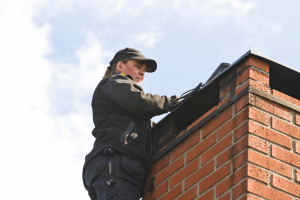
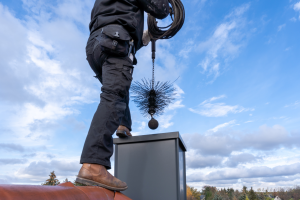
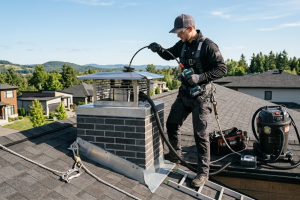
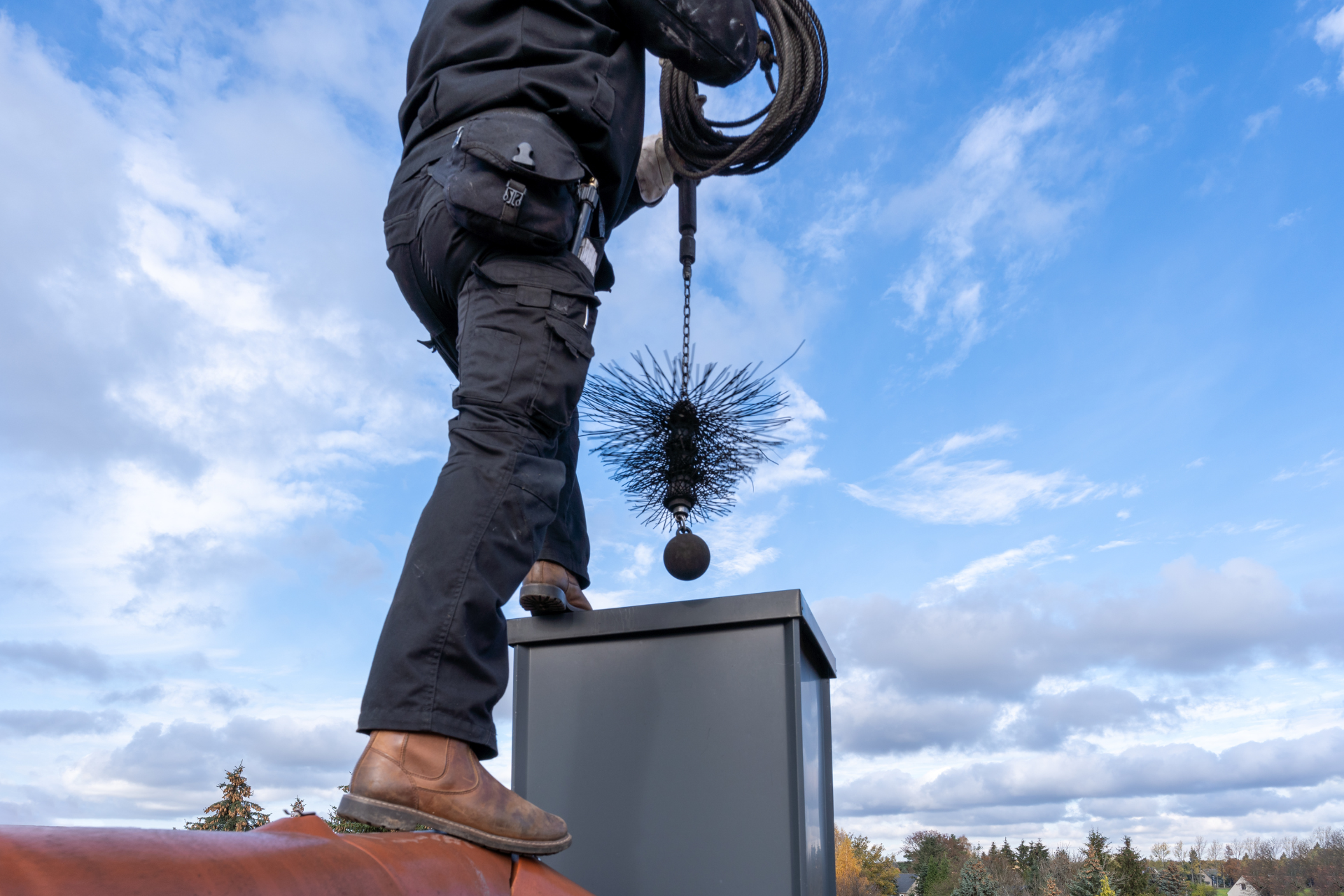
Blocked or dirty chimneys disrupt airflow, trapping smoke and reducing the effectiveness of your home’s ventilation. A neglected chimney can also increase the risk of fire and allow harmful gases to linger indoors, making regular inspection and cleaning essential.
Easy Ways to Improve Airflow at Home
You don’t need major repairs to make a noticeable difference in your home’s airflow, even in homes in Beverly Hills. Simple steps can go a long way, such as opening windows regularly to let in fresh air, using kitchen and bathroom exhaust fans to remove humidity and odors, and keeping furniture away from air vents to allow unobstructed circulation. Replacing HVAC filters on schedule and cleaning air ducts when airflow seems restricted are also effective ways to maintain proper ventilation. These small actions can dramatically improve your home’s comfort, promote healthier indoor air, and help prevent long-term issues.
Ventilation Maintenance Tips Every Homeowner Should Know
Regular maintenance is key to keeping your ventilation system running smoothly, and there are several ventilation maintenance tips every homeowner should follow. Scheduling annual inspections helps ensure your system is functioning properly, while cleaning vents and ducts removes dust, debris, and blockages that can restrict airflow. Checking for leaks in your ductwork improves efficiency, and monitoring humidity levels helps maintain balance and prevent mold growth. Additionally, maintaining chimneys is essential, as proper chimney care supports overall ventilation and safety. For homeowners in Beverly Hills, following these ventilation maintenance tips consistently can save money, improve comfort, and reduce potential health risks in the home.
The Risks of Ignoring Ventilation Signs
If small ventilation issues are overlooked, they can quickly escalate into bigger problems. Trapped moisture can lead to mold growth, inefficient airflow can cause higher energy bills, and poor indoor air quality can negatively affect your health. Additionally, inadequate ventilation may increase allergy symptoms and cause damage to walls, ceilings, and insulation over time. For homeowners in Beverly Hills, recognizing home ventilation system signs early is essential to preventing these risks and keeping your home safe, comfortable, and healthy.