Why Your Home’s Air Could Be Affecting Your Health
Have you ever walked into your home and felt like the air was heavy, dusty, or just “off”? Many homeowners in West Hollywood are surprised to learn that poor indoor air quality can quietly affect their health, comfort, and even their property. Understanding the poor indoor air quality causes in modern homes is the first step to making your living space safer and healthier.
Poor indoor air quality isn’t just about dust or unpleasant smells. It can trigger headaches, allergies, fatigue, and respiratory problems. By recognizing the main contributors, you can take action to improve your home environment using simple home air quality tips that really work.
Common Poor Indoor Air Quality Causes You Should Know
Modern homes are designed to be energy-efficient, but this can sometimes trap pollutants inside. Here are the main poor indoor air quality causes that homeowners often overlook:
Poor Ventilation
Modern homes are tightly sealed, which reduces airflow. While this saves energy, it can trap indoor pollutants, moisture, and odors. Poor ventilation allows dust, mold spores, and chemical fumes to build up, contributing significantly to indoor air problems. Simple solutions like opening windows or installing exhaust fans can make a noticeable difference.
Dust and Particulate Matter
Dust isn’t just a nuisance; it carries allergens and tiny particles that enter your lungs when you breathe. Carpets, upholstery, and even ceiling fans can accumulate dust over time. Regular vacuuming with a HEPA filter and organic cleaning products can help reduce dust buildup.
Mold and Moisture
Humidity and leaks create perfect conditions for mold growth. Bathrooms, kitchens, and basements are particularly vulnerable. Mold spores floating in the air can trigger asthma attacks and allergic reactions. Homeowners should monitor moisture levels and use dehumidifiers or air purifiers to combat mold.
Household Chemicals
Cleaning products, paints, and air fresheners often release volatile organic compounds (VOCs) into the air. These invisible pollutants can irritate the eyes, throat, and lungs. Using low-VOC or natural alternatives and ventilating your space are effective home air quality tips to limit exposure.
Pet Dander
Pets bring joy, but they also shed tiny skin flakes called dander. These particles can trigger allergies, especially in poorly ventilated rooms. Regular grooming and cleaning of your pet’s bedding can reduce airborne dander.
Combustion Appliances
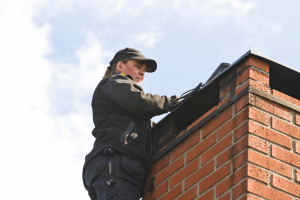
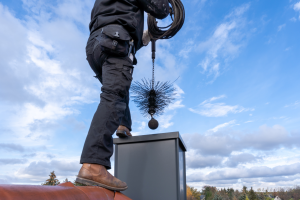
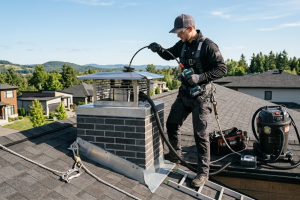
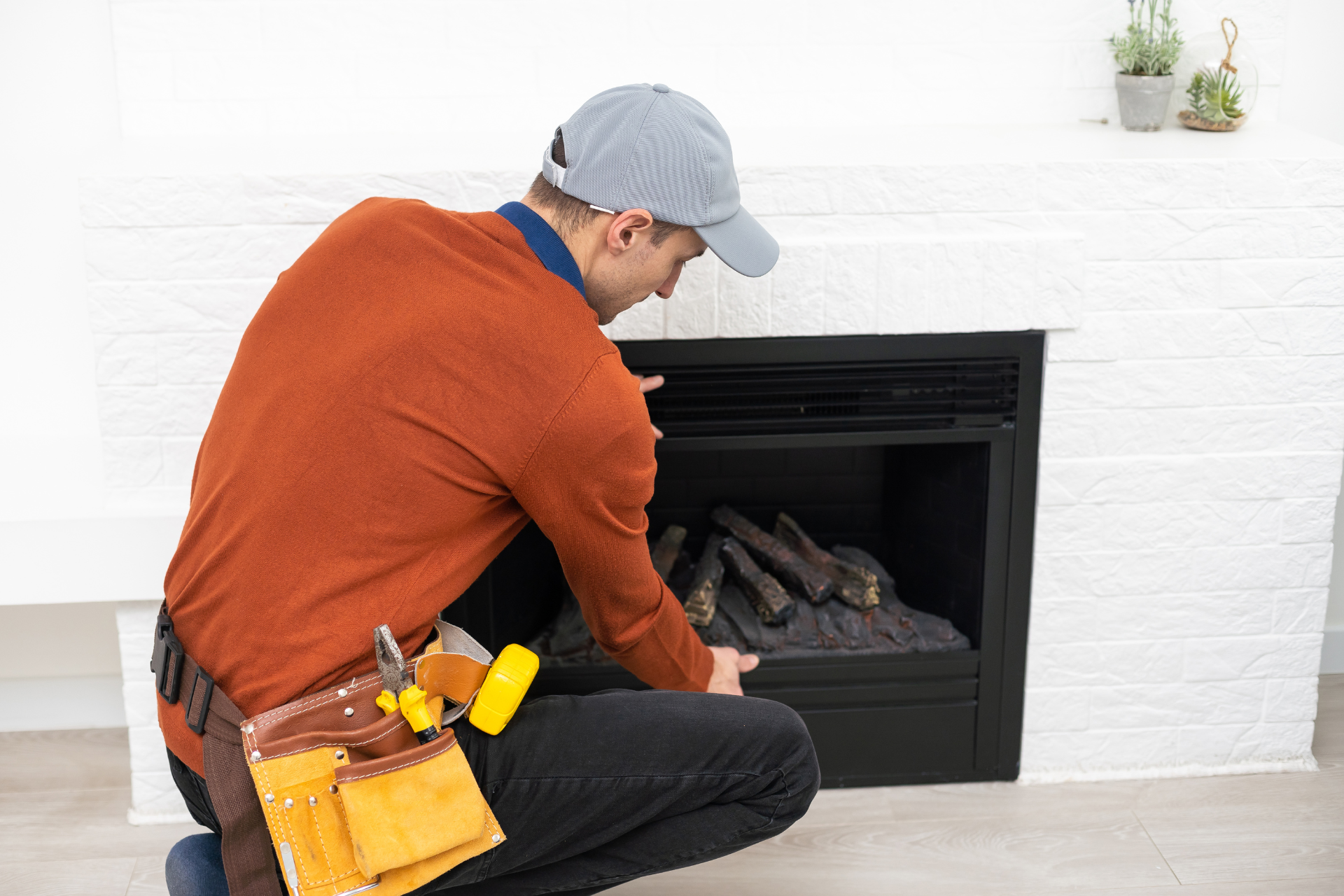
Gas stoves, fireplaces, and heaters produce carbon monoxide and other pollutants. If not properly ventilated, these combustion sources can severely impact indoor air quality. In West Hollywood, homeowners often overlook chimney maintenance, which can allow dangerous fumes to linger indoors. Professional Chimney Cleaning West Hollywoodservices ensure your fireplace operates safely and efficiently, reducing pollutants in your home air.
Indoor Air Pollution Sources from Outside
Believe it or not, the air entering your home can carry pollen, vehicle emissions, and industrial pollutants. While you can’t eliminate outdoor air pollution, using high-quality air filters and keeping windows closed during peak traffic times helps reduce exposure.
How Your Daily Routine Can Contribute
Even regular activities can worsen indoor air quality if you’re not careful. Cooking, cleaning, and even doing laundry can introduce pollutants. For instance, burning candles, using scented cleaning sprays, or leaving laundry damp in the washing machine can increase humidity and release chemical fumes. Following simple home air quality tips, like using natural cleaning products and ventilating rooms, can mitigate these effects.
Consider your kitchen habits: cooking on gas stoves without an exhaust hood can produce nitrogen dioxide, which irritates the lungs. Likewise, smoking indoors or using strong air fresheners adds invisible chemicals that linger in the air. Regularly checking your ventilation and monitoring airflow in every room is crucial to prevent long-term health issues.
Why Regular Home Maintenance Matters
Maintaining your home isn’t just about appearances, it’s about health. A small issue, like a clogged air vent or a dirty chimney, can amplify pollutants over time. Homeowners in West Hollywood are increasingly aware that proper maintenance significantly reduces indoor air pollution sources.
For example, scheduling periodic cleaning for your HVAC system, ensuring vents are free of dust, and performing seasonal chimney checks can dramatically improve air quality. If you’re looking for professional help with chimneys, services like professional chimney cleaningprovide thorough inspections and safe cleaning methods. They help remove soot, creosote, and other debris that could otherwise circulate in your home.
Additional Home Air Quality Tips
Improving indoor air quality doesn’t have to be difficult or expensive. Here are some practical and easy home air quality tips that make a real difference:
Use Indoor Plants
Certain houseplants naturally filter toxins from the air. Examples include spider plants, peace lilies, and Boston ferns. They also add a touch of greenery to your living space.
Invest in Air Purifiers
HEPA air purifiers are excellent for removing dust, dander, and other fine particles. For maximum effectiveness, place them in bedrooms and high-traffic areas.
Control Humidity
Aim for 30–50% indoor humidity. This prevents mold growth and limits dust mites. A hygrometer helps monitor levels accurately.
Ventilate Smartly
Open windows when the outdoor air quality is good. Use exhaust fans in kitchens and bathrooms to remove moisture and odors.
Professional Chimney and HVAC Care
Services likeexpert chimney cleaning not only clean carpets but also provide tips for maintaining airflow and removing hidden pollutants from vents and chimneys.
Living Healthier in West Hollywood
West Hollywood homeowners have unique challenges. Urban traffic, compact housing, and older buildings can all contribute to poor indoor air quality. Being proactive about maintenance, monitoring poor indoor air quality causes, and applying practical home air quality tips ensures a healthier living environment for your family.
From regular dusting and ventilation to professional chimney services, every step helps. By understanding the sources of indoor air pollution and taking action, you can breathe easier, reduce allergy risks, and even save on energy bills. Remember, your home is your sanctuary. Taking small but consistent steps toward improving air quality ensures it remains a safe, comfortable, and healthy space for years to come.