
How Hidden Dust and Indoor Particles Affect Home Comfort and Everyday Well-Being
Walking into a clean home always feels refreshing. The air feels lighter, the space feels calmer, and even your mood improves. But when fine particles start building up inside your living space, things slowly change without you noticing. Dust in corners, tiny debris on surfaces, and unseen particles in the air can all affect how your home feels every single day. Over time, this buildup can influence breathing comfort, sleep quality, and even focus during work or study. Many homeowners don’t realize how much daily living habits contribute to these changes until they start noticing discomfort or constant cleaning struggles.
The truth is, indoor air is not always cleaner than outdoor air. In fact, everyday movement, fabrics, pets, and ventilation systems can carry particles around your home. This is where awareness becomes important. Understanding how small changes can reduce buildup helps maintain a healthier and more peaceful environment. In places like Studio City, where homes often combine indoor comfort with active lifestyles, keeping air clean becomes even more important for families and individuals who value well-being.
How Dust and Debris Effects Show Up in Everyday Living
When people think about home comfort, they often focus on furniture or lighting, but air quality plays a much bigger role than most expect, as the dust and debris effects inside a home can slowly change how comfortable a space feels without any obvious warning signs at first. You might notice a thin layer of dust returning shortly after cleaning, slight irritation in the nose or eyes, a stuffy feeling in closed rooms, or more frequent sneezing indoors, which are all common signs that indoor air is carrying more particles than it should.
Over time, these effects can contribute to indoor comfort issues, especially when ventilation is limited or cleaning routines are inconsistent. In busy areas like Studio City, homes often stay closed for air conditioning, which can trap particles inside, making regular airflow and cleaning routines very important. Simple habits can help reduce buildup, such as opening windows early in the morning for fresh airflow, washing fabrics like curtains and cushion covers regularly, and using soft microfiber cloths for dusting instead of dry wiping.
Professional support also plays a role. Many homeowners turn to trusted services like eco-friendly home cleaning support when they want deeper cleaning that reaches hidden layers of dust. This becomes especially useful when regular cleaning is not enough to manage long-term buildup in larger homes.
Hidden Areas Where Dust Quietly Collects
Not all dust is visible. Some of it settles in places people rarely think about. Air vents, behind furniture, ceiling corners, and even inside unused fireplaces can collect layers of fine particles over time. These hidden spots are often the reason behind ongoing indoor comfort issues, even when the home looks clean on the surface.
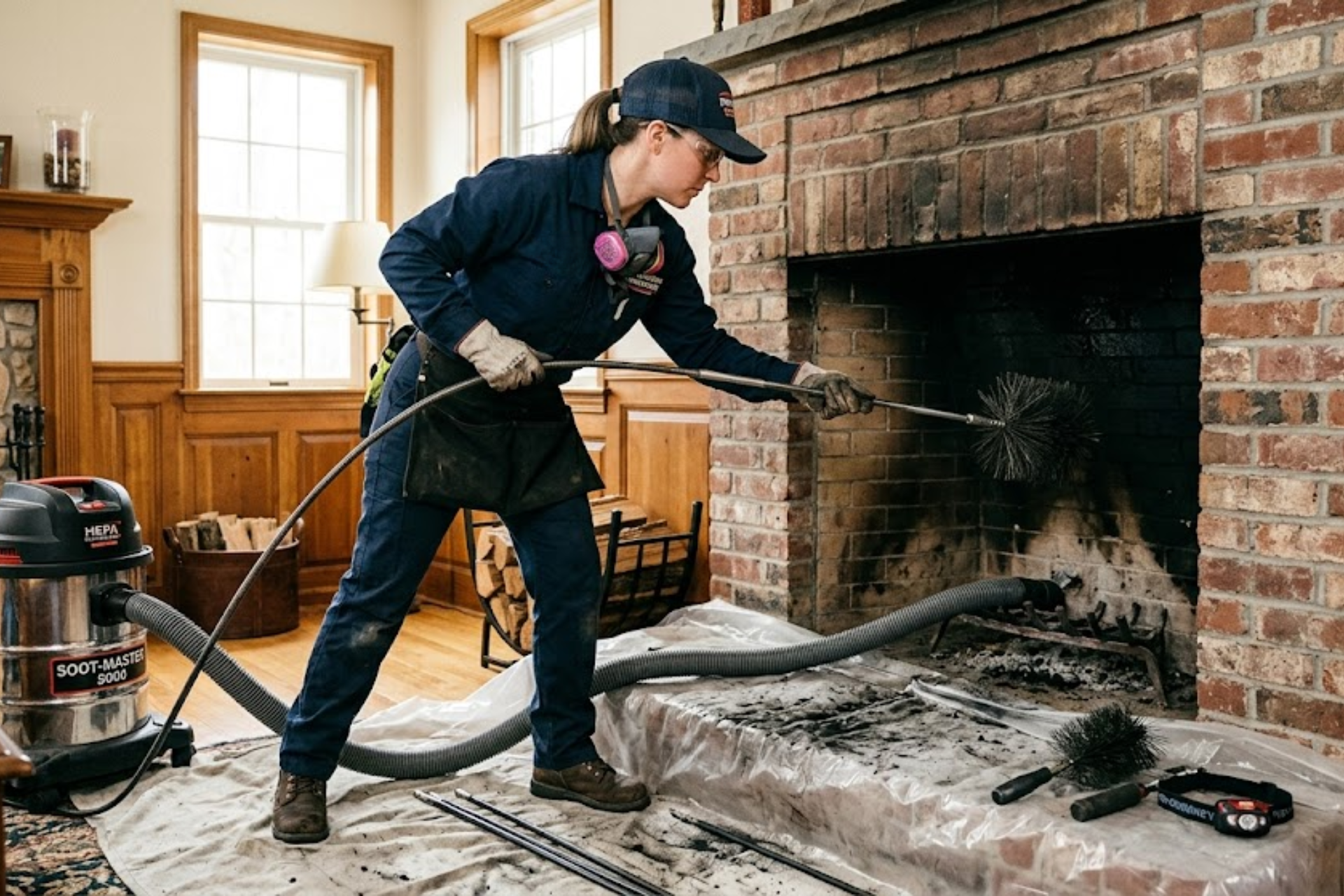
One of the most overlooked areas is the chimney. In homes where fireplaces are used occasionally, soot and debris can build up slowly. This is where services like professional chimney maintenance become important for keeping airflow safe and clean. In fact, Chimney Cleaning Studio City services are often requested by homeowners who want to maintain healthier indoor environments without hidden buildup affecting air circulation.
In Studio City, where older and modern homes mix together, chimney and vent maintenance is a key part of seasonal home care. Even if fireplaces are not used often, dust still finds its way inside through external openings.
Air Vents and Filters
These areas continuously circulate air throughout your home, so when dust builds up, it gets redistributed into every room. Dirty vents and clogged filters can reduce airflow efficiency and worsen indoor air quality by pushing dust, allergens, and debris back into the living space.
Behind Heavy Furniture
Large items like sofas, cabinets, and beds are rarely moved, which makes them perfect spots for dust to accumulate unnoticed. Over time, these hidden layers of dust can spread into the room whenever the furniture is shifted or when air moves around it.
Under Rugs and Carpets
Even if the surface looks clean, dust and dirt can settle underneath rugs and deep within carpet fibers. Every step can push particles deeper, making this one of the most common hidden dust zones that affects long-term cleanliness and air freshness.
Inside Chimney Flues
Chimney flues can collect soot, dust, and residue even when fireplaces are used occasionally. Without regular maintenance, this buildup can affect airflow and may allow fine particles to enter indoor spaces, reducing overall air quality.
Ignoring these areas can increase the dust and debris effects inside your home over time. That’s why many homeowners schedule periodic deep cleaning to keep things under control. This approach also helps reduce long-term dust control solutions efforts by preventing buildup before it becomes a bigger issue.
Simple Ways to Reduce Indoor Buildup and Improve Air Quality
Managing dust does not always require complicated methods, as small, consistent habits can make a big difference in daily comfort. When people take proactive steps, they often notice fewer indoor comfort issues and a fresher living environment. Some effective dust control solutions you can start with include cleaning surfaces regularly by wiping tables, shelves, and electronics at least twice a week, improving airflow indoors by opening windows when possible and using fans to keep air moving, using proper cleaning tools like microfiber cloths that trap dust better than dry cloths or paper towels, maintaining flooring hygiene by vacuuming carpets and rugs to reduce trapped particles, and scheduling deep cleaning since professional cleaning helps remove hidden buildup that everyday routines miss.
These become more noticeable when homes are sealed tightly during hot or cold months, making ventilation and cleaning even more important. Many families also adjust their cleaning routines depending on lifestyle needs. For example, homes with pets or children often require more frequent dusting and vacuuming. Small adjustments like these help maintain better air quality without major effort.
Building A Healthier and More Comfortable Home Environment
A clean home is more than just appearance it directly affects how you feel every day. When dust and debris are controlled, breathing becomes easier, sleep improves, and overall mood becomes more stable. On the other hand, ignoring buildup can slowly create ongoing indoor comfort issues that affect both physical comfort and mental clarity.
The dust and debris effects are not always immediate, but they build up quietly over time, which is why awareness is so important. Homes often face unique challenges due to lifestyle activity, climate changes, and sealed indoor environments, making consistent cleaning routines and smart maintenance choices essential. Some long-term dust control solutions include creating a weekly cleaning schedule, rotating deep-cleaning tasks each month, keeping shoes and outdoor items near entry points, and using air purifiers in high-use rooms. These habits help reduce buildup and maintain better indoor air quality throughout the year. Over time, they also lower the chances of recurring indoor comfort issues, making your home feel more stable and relaxing.
In the end, comfort at home is built through small actions done consistently. Whether you live in a quiet neighborhood or a busy part of Studio City, keeping dust under control helps create a space where you can truly relax. The goal is not just cleanliness, it’s long-term comfort, healthier air, and a home that supports your everyday life without the hidden burden of dust and debris.