Energy Waste in Laundry: Simple Ways to Save Power and Cut Costs
Laundry day feels simple. You toss in clothes, press a button, and wait. But behind that simple routine, your laundry room could be using more energy than you realize. Many homeowners never think about how much power their washer and dryer use until their bills go up or their machines stop working well.
The truth is, laundry rooms are one of the most overlooked areas in a home when it comes to energy use. Small issues like a clogged vent, overloading the dryer, or using hot water too often can slowly increase your monthly costs. Over time, these small problems add up.
If you want a cleaner, safer, and more efficient home, starting with trustedprofessional home cleaning solutions can make a real difference. A well-maintained home begins with paying attention to the spaces people often ignore.
Energy waste in laundry is more common than most households realize, often caused by using hot water unnecessarily, overloading or underloading machines, and relying too heavily on dryers instead of air drying. Washing clothes in cold water, choosing the right load size, and using energy-efficient appliances can significantly reduce electricity and water consumption. Simple habits like cleaning the lint filter, selecting shorter wash cycles, and drying full loads can also improve efficiency. By making small adjustments to your laundry routine, you can lower your utility bills while reducing your environmental impact.
Understanding Energy Waste In Laundry And Its Hidden Costs
When people think about high energy use, they often blame old machines. While older appliances can use more power, daily habits are usually the bigger issue. This is where energy waste in laundry becomes a real concern.
Your washer and dryer depend on balance. The washer needs the right water temperature and load size. The dryer needs proper airflow. When something is off, both machines work harder than they should.
Think of your dryer like a person trying to breathe through a blocked straw. It can still work, but it struggles and uses more energy to do the same job.
Here are common reasons energy gets wasted:
- Overloading the dryer so air cannot move properly
- Running small loads too often
- Using hot water for every wash
- Ignoring lint buildup in the vent
- Drying clothes longer than needed
- Using the wrong settings for different fabrics
Many of these issues come from inefficient laundry habits that people repeat every week without noticing. Fixing them can lower your bills and help your machines last longer.
Homeowners in Somis often focus on larger areas of the house, but the laundry room deserves just as much attention. Making small improvements here can lead to noticeable utility bill savings over time.
Warning Signs Your Laundry Room Is Wasting Energy
Most laundry rooms show clear signs when something is wrong. You just need to know what to look for. Catching these signs early can help prevent bigger problems.
Watch for these common warning signs:
- Clothes take longer than usual to dry
- The laundry room feels hot or humid
- The dryer feels too hot on the outside
- You notice a dusty or slightly burnt smell
- Lint builds up around the dryer or vent
- Your energy bill keeps rising without a clear reason
These signs often point to hidden appliance energy loss. The machines are still running, but they are not working efficiently. Many homeowners in Somis turn to expert vent cleaning in Somis when they notice these issues. Proper vent care helps restore airflow, improve drying time, and reduce wasted energy.
How Everyday Laundry Habits Increase Your Energy Bills
It is easy to blame the machine, but most of the time, the problem is the routine. Daily habits can have a big effect on how much energy your laundry room uses.
For example, running many small loads instead of one full load wastes both water and electricity. Using high heat for all fabrics can also damage clothes and increase energy use.
Here are some habits that quietly raise your bills:
- Washing with hot water when cold water would work
- Drying mixed fabrics that need different heat levels
- Not shaking out clothes before drying
- Using timed dry instead of sensor settings
- Letting wet clothes sit, then drying them again
These are common inefficient laundry habits that many households follow without thinking.
Instead, try these simple changes:
- Wash full loads without overfilling
- Use cold water for everyday clothing
- Sort clothes by fabric type
- Use moisture-sensing dryer settings
- Clean the lint trap before every load
These small steps can lead to steady utility bill savings and better laundry results. For families in Somis, especially those with busy schedules, these changes can save both time and energy every week.
The Hidden Role Of Your Dryer Vent In Energy Loss
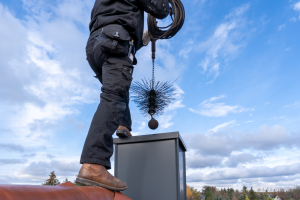
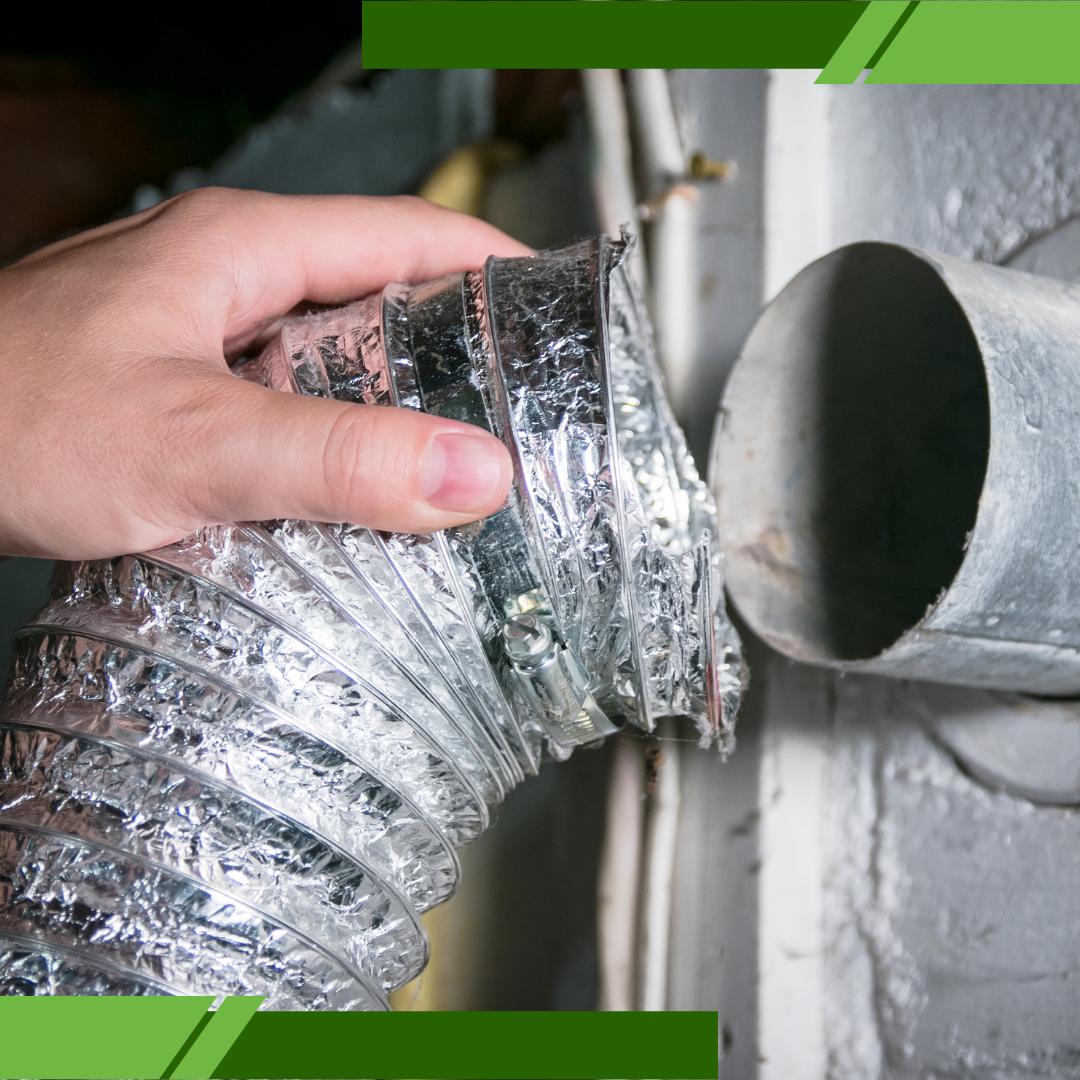
The dryer vent is one of the most important parts of your laundry system, yet it is often ignored. Many people think cleaning the lint screen is enough, but lint can build up deep inside the vent line. When the vent is clogged, hot air cannot escape properly. This forces the dryer to run longer, using more energy and putting stress on its parts. This is a major cause of energy waste in laundry rooms.
Imagine trying to run while breathing through a blocked airway. That is what your dryer experiences with a clogged vent.
A blocked vent can cause:
- Longer drying times
- Higher energy bills
- Overheating machines
- Musty-smelling clothes
- Increased fire risk
In Somis, where temperatures can already be warm, a clogged vent can make the laundry room feel even hotter and more uncomfortable. Regular vent cleaning helps your dryer work better, reduces strain on the machine, and keeps your home safer.
Simple Steps Homeowners Can Take To Reduce Energy Waste
You do not need expensive upgrades to improve your laundry room. Most changes are simple and easy to follow.
Weekly habits
- Clean the lint trap before every load
- Wipe dust around the machines
- Check that the vent hose is not bent
Monthly checks
- Look at the outdoor vent opening
- Make sure airflow is strong when the dryer runs
- Vacuum behind the washer and dryer
Smart laundry choices
- Dry similar fabrics together
- Use shorter cycles when possible
- Air-dry light clothing
- Avoid overloading machines
When to call for help
- Clothes stay damp after one cycle
- The dryer feels too hot
- You smell something burning
- Drying times keep getting longer
Following these steps can greatly reduce energy waste in laundry rooms and improve how your machines perform.
Why Reducing Energy Waste Also Improves Home Safety
Saving money is a big reason to fix laundry issues, but safety is just as important. Lint is highly flammable, and when it builds up in a hot vent, it can become dangerous. Even if a fire never happens, overheating can damage your dryer and reduce its lifespan. Poor airflow can also affect air quality in your home.
Energy waste in laundry often comes from small, everyday habits that add up over time, such as using long wash cycles, washing lightly soiled clothes, or drying items longer than necessary. Many people also overlook the benefits of high-efficiency machines and eco-friendly settings that are designed to use less water and electricity. Switching to cold washes, spacing out loads efficiently, and removing clothes promptly from the dryer can all help reduce unnecessary energy use. By being more intentional with how and when you do laundry, you can create a more efficient routine that saves both energy and money.
Reducing energy waste in laundry spaces helps:
- Lower fire risk
- Prevent overheating
- Improve air circulation
- Extend appliance life
For homeowners in Somis, regular maintenance is a smart way to protect both the home and the people living in it.
Building Smarter Laundry Habits For Long-Term Savings
The best way to keep your laundry room efficient is to build simple, repeatable habits. You do not need to change everything at once. Start small and stay consistent.
A good routine might include:
- Setting specific laundry days
- Sorting clothes before washing
- Cleaning the lint trap every time
- Scheduling regular vent cleaning
These habits make laundry easier and help prevent problems before they start.
Many homeowners notice that once their system is working well, clothes dry faster, the room feels cooler, and their machines run more smoothly.
When people search for Dryer Vent Cleaning Somis, they are often looking for better performance, lower bills, and peace of mind. That is exactly what proper care and smart habits can provide.
Your laundry room may be small, but the impact of keeping it efficient is big. By making a few simple changes, you can reduce waste, save money, and create a safer, more comfortable home.
Many households waste energy in laundry without noticing, especially by defaulting to high heat settings and running multiple small loads throughout the week. Modern detergents are designed to work effectively in cold water, making hot washes unnecessary for most clothing. Overusing the dryer also adds to energy consumption, while simple alternatives like air drying or using lower heat settings can make a big difference. Keeping your washer and dryer well-maintained and running full, balanced loads helps improve efficiency. With a few mindful changes, you can cut down on energy use, extend the life of your clothes, and save money over time.
Energy Waste in Laundry: Smarter Ways to Save Energy
Energy waste in laundry often happens through everyday habits like using hot water for every load, running half-full machines, or relying too much on high-heat dryer settings. These small inefficiencies can quickly add up, increasing both energy consumption and utility costs over time.
Many households also waste energy by using longer wash cycles than necessary or washing lightly soiled clothes too frequently. Modern detergents are designed to clean effectively in cold water, making high-temperature washes unnecessary for most loads. Choosing the right settings and running full, balanced loads can significantly improve efficiency.
Reducing energy waste in laundry doesn’t require major changes; simple adjustments like air drying clothes, cleaning lint filters, and maintaining appliances can make a noticeable difference. By being more mindful of your laundry routine, you can lower your energy usage, save money, and reduce your environmental impact.