
Understanding Airflow Awareness for a Fresher, More Balanced Home Environment
Living in a home that feels fresh, balanced, and easy to breathe in is something many people want, but not everyone understands how to achieve it. Most of the time, it is not about expensive upgrades or major renovations. It often starts with something simple but powerful how air moves through your space and how you support it every day.
When air is still or trapped inside a home, it slowly affects how you feel. Rooms can feel heavier, sleep may feel less restful, and even daily routines feel slightly off. This is where smart airflow awareness and small changes in your living environment make a big difference. Many homeowners in places like Hermosa Beach have started paying closer attention to this because coastal air can shift quickly between fresh breezes and sealed indoor spaces. Even in places where the ocean breeze is a natural advantage, indoor environments still need proper attention to stay balanced.
Why Air Movement Shapes the Way Your Home Feels Every Day
Air is something we often ignore until it becomes uncomfortable. But the truth is, the way air moves inside your home affects almost everything your comfort, your focus, and even how clean your space feels. In coastal areas fresh outdoor air is often available, but it still needs help moving properly indoors.
Rooms Feeling Warmer Than Expected
When indoor air is not circulating properly, heat gets trapped inside instead of moving out. This makes rooms feel warmer than the actual temperature, especially in areas with limited windows or blocked airflow. Over time, it can make the home feel uncomfortable and harder to cool naturally, even when fans or air conditioning are running.
LightMmusty Smells in Corners
Stagnant air allows moisture and odors to settle in less-ventilated areas like corners, closets, and behind furniture. Without fresh air movement, these smells don’t disperse and can slowly build up. This often creates a faint musty scent that becomes more noticeable when you enter the room after it has been closed for a while.
Dust is Settling Faster Than Usual
When air is not circulating, dust particles don’t stay suspended long enough to be filtered or carried away. Instead, they settle quickly on surfaces like tables, floors, and shelves. This makes cleaning feel more frequent and can give the impression that the space is always slightly unclean, even after regular maintenance.
A Sense of Heaviness in Closed Spaces
Poor airflow can make indoor air feel “thick” or heavy because fresh oxygen isn’t constantly replacing stale air. This can affect comfort and even mood, making rooms feel less inviting or energizing. Many people describe it as a subtle pressure or lack of freshness, especially in sealed or rarely opened rooms.
Good airflow helps reduce these issues naturally. This is why many homeowners begin focusing on small habits that support better breathing spaces. These small habits are part of improving your everyday routine and enhancing overall indoor comfort tips that actually work long-term.
Even something as simple as opening windows at different times of the day can help balance indoor conditions. In Hermosa Beach, where mornings are often cool and evenings are breezy, timing your airflow matters more than people realize. The goal is not just ventilation but steady air movement that feels natural, not forced.
Ventilation Improvements That Transform Indoor Living Spaces
When people talk about comfort at home, they often think about furniture, lighting, or temperature. But one of the most overlooked factors is airflow design. Simple changes in your home setup can completely shift how your space feels day and night. This is where ventilation improvements become important for long-term comfort and health. The idea behind ventilation improvements is not complicated. It simply means helping air enter, move through, and exit your home more effectively. When done correctly, it supports better breathing conditions, reduces stale air, and keeps your space feeling lighter.
Many homes benefit from natural airflow due to coastal winds, but older houses or tightly sealed modern homes may still struggle with proper circulation. This is why homeowners often combine natural airflow with structured upgrades such as proper vent placement, ceiling fan direction, and strategic window usage. Simple practices like using cross-ventilation by opening opposite windows, installing exhaust fans in closed rooms such as bathrooms and kitchens, and keeping air pathways open by ensuring vents are not blocked all contribute to better ventilation. These small but effective ventilation improvements help create a more comfortable living environment, and when applied consistently, they make the home feel less stuffy and noticeably more breathable without relying heavily on air conditioning.
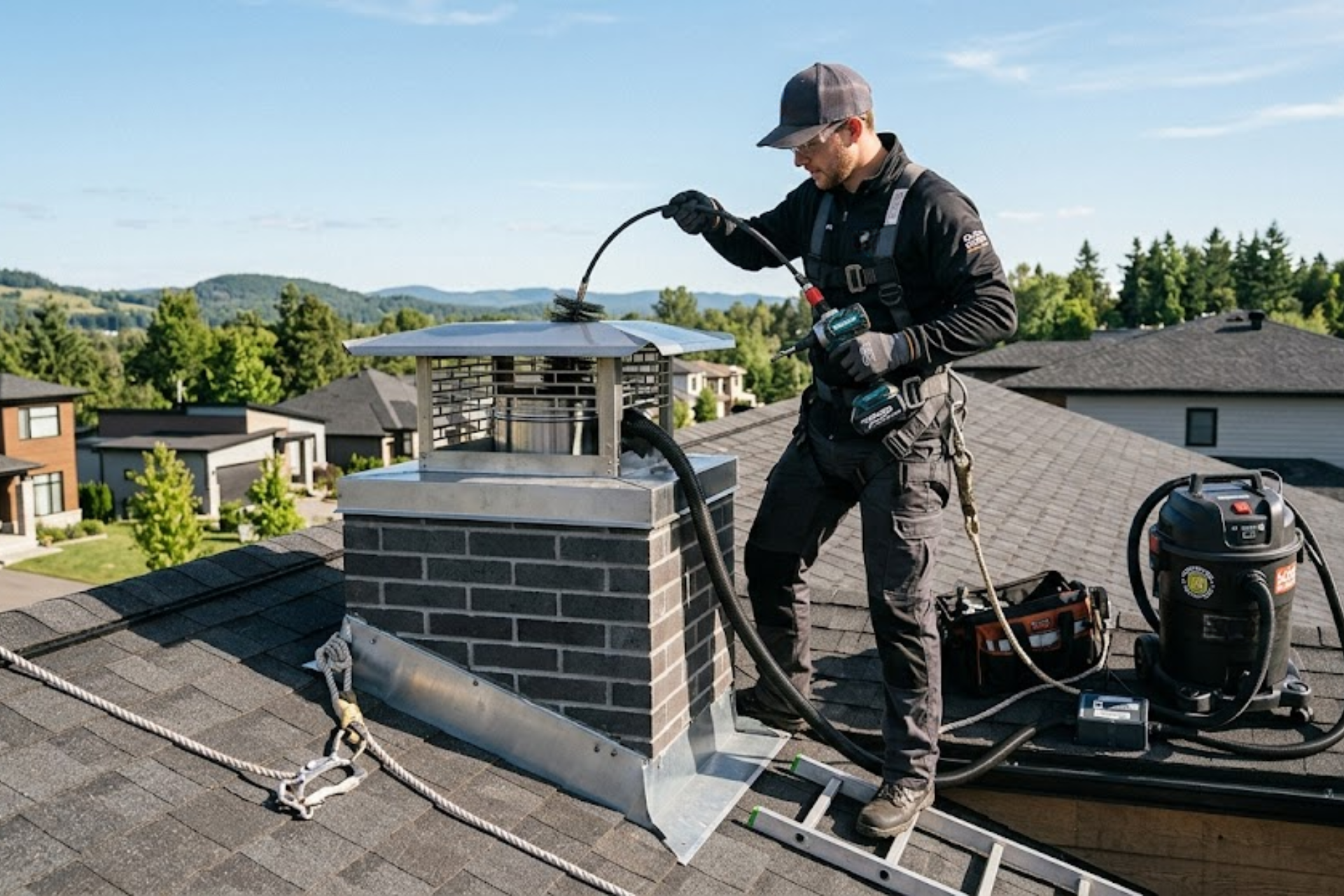
Interestingly, airflow also plays a role in maintenance. For example, chimney systems need proper air balance to function safely. In coastal homes, moisture in the air can affect indoor systems over time. That is why services such as these are often recommended to keep airflow systems safe and efficient.
The phrase Chimney Cleaning Hermosa Beach is often searched by homeowners who want to maintain safe ventilation in older properties. It connects directly to airflow health, especially when fireplaces are used during cooler evenings. With better airflow design and consistent ventilation improvements, homes can feel more open, healthier, and easier to maintain year-round.
Understanding How Air Behaves Inside Coastal Homes
Homes near the coast experience unique airflow patterns, and in Hermosa Beach, ocean winds often bring natural freshness during the day, but humidity can also enter and become trapped indoors if airflow is not properly managed. This makes home air circulation especially important. When home air circulation is weak, you may notice uneven room temperatures, lingering cooking smells, damp corners in closed spaces, and a reduced sense of freshness even after cleaning. Improving circulation does not always require expensive systems; in many cases, it starts with simple adjustments such as rearranging furniture away from vents, keeping doors slightly open to allow air to pass through, and ensuring that airflow paths inside the home are not blocked.
In areas where people often enjoy open-window living, balancing indoor and outdoor air is key because too much exposure without control can bring in moisture, while too little can trap stale air inside. This balance is an important part of effective indoor comfort tips that homeowners can apply daily. A simple routine that works well includes opening windows in the morning for fresh air exchange, closing them at midday to help control heat and humidity, and ventilating again in the evening to refresh indoor air. These habits support natural airflow patterns and steadily improve how your home feels without requiring extra effort.
Practical Indoor Comfort Tips That Make a Real Difference
Creating a comfortable home is not about doing everything at once but about small, consistent habits that build up over time, and these indoor comfort tips are easy to follow and can be applied in almost any home setting. Practical steps include keeping air pathways clear around furniture, using natural airflow whenever the weather allows, cleaning air filters regularly, avoiding blocking vents with curtains or storage items, and combining natural ventilation with light cleaning routines. These indoor comfort tips help maintain a steady and healthy indoor environment, and in places where weather conditions change throughout the day, adjusting your home routine slightly can make a noticeable difference in overall comfort.
Many homeowners also notice that combining airflow awareness with regular maintenance leads to better long-term comfort. Even tasks like chimney care become part of the bigger picture of home air health. When airflow systems are clean and functioning well, your home naturally feels more balanced. Over time, these small habits create a noticeable shift in how your home feels. Rooms become easier to breathe in, sleep improves, and daily comfort becomes more consistent.
When Simple Changes Create Long-Term Comfort and Balance
The beauty of improving your home environment is that you do not need drastic changes to see results. Small, thoughtful adjustments can completely transform how your space feels every day. Whether you live in Hermosa Beach or another coastal area, airflow plays a major role in comfort. By focusing on better circulation, smarter home habits, and regular care including environmentally safe cleaning you create a living space that supports your well-being naturally. Combining awareness with practical indoor comfort tips ensures that your home stays fresh and inviting. In the end, it is not just about air moving through your home; it is about how that movement shapes your daily life, your comfort, and your sense of peace indoors.