Indoor Freshness Improvement: Smart Ways For Fresh Air In Any Home Space
Fresh air inside the home is something many people notice only when it starts to feel heavy or uncomfortable. A room can look clean, but still feel stuffy if air is not moving well or if daily habits slowly build up dust and odor. This is where indoor freshness improvement becomes an important part of daily living, not just a cleaning task you do once in a while.
In places where coastal air feels naturally fresh outside, many homeowners are surprised when indoor spaces feel the opposite. The difference often comes from habits inside the home. Even small changes in how you clean, ventilate, and maintain your space can shift the overall feel of your environment.
Better Ventilation And Fireplace Care
Air movement plays a huge role in how a home feels. Even the cleanest home can feel heavy if ventilation is poor. In many older houses, especially in parts of Santa Monica, fireplaces and chimneys can also affect airflow if they are not maintained properly.
This is where home air quality tips become especially useful. One of the simplest tips is to ensure that air has multiple paths to enter and exit your home. That means not relying on just one window or one fan.
Using Exhaust Fans While Cooking
Exhaust fans help remove smoke, steam, and cooking odors directly from the kitchen before they spread to other areas of the home. This reduces grease buildup on surfaces and helps maintain cleaner indoor air. Turning them on during and after cooking supports better ventilation and prevents lingering smells.
Keeping Interior Doors Slightly Open For Airflow Balance
Leaving interior doors slightly open allows air to move more freely between rooms instead of becoming trapped in one space. This helps balance temperature and freshness throughout the home. Improved airflow also reduces stuffiness and supports more consistent indoor air quality.
Cleaning Air Vents Regularly
Air vents collect dust and debris over time, which can then circulate back into the air when the system is running. Regular cleaning helps maintain smooth airflow and reduces the spread of allergens. This simple habit supports a healthier and more efficient ventilation system.
Checking For Blocked Windows Or Sealed Gaps
Blocked windows or tightly sealed gaps can restrict natural airflow, making rooms feel stale or humid. Ensuring windows can open properly and that airflow paths are not obstructed helps fresh air enter and stale air exit. This improves overall ventilation and indoor comfort.
Running Ceiling Fans At Low Speed Even In Cooler Months
Ceiling fans help keep air moving gently throughout the home, even when it’s not hot. Running them at low speed prevents stagnant air and helps distribute fresh air more evenly. This can make rooms feel more balanced and comfortable without significantly affecting temperature.
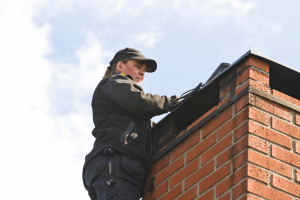
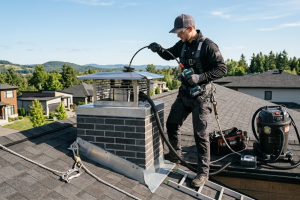
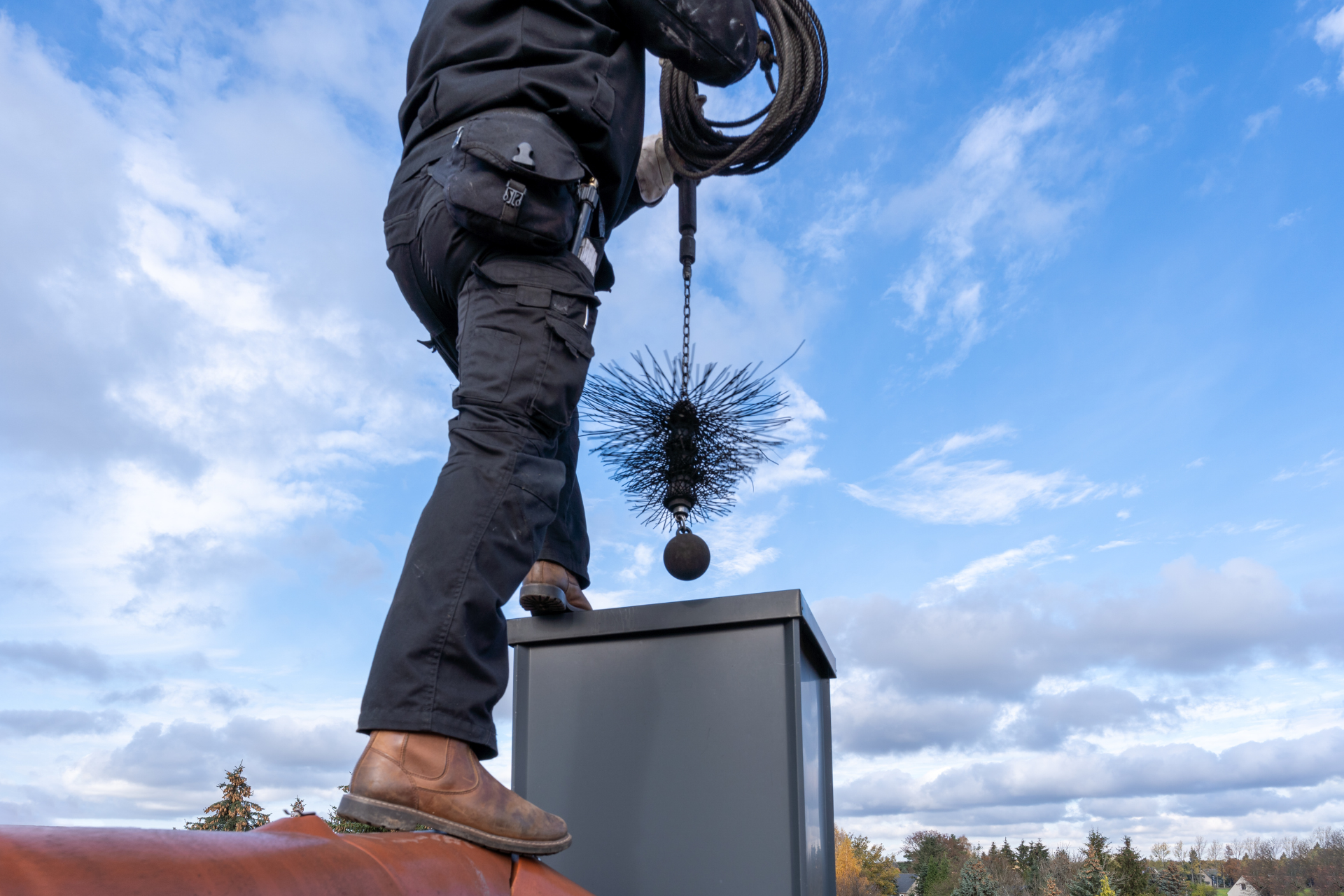
Fireplaces also deserve attention. When not cleaned properly, they can trap smoke residue and reduce air quality indoors. In fact, homeowners sometimes overlook this until they notice lingering smells or poor airflow. Seasonal maintenance is important because even light use of a fireplace can leave buildup over time. Some residents schedule services like Chimney Cleaning Santa Monica to ensure proper airflow and safety in the home.
Natural Methods That Support Cleaner Air
Not all improvements require tools or services, as some of the best changes come from natural methods that quietly improve air quality over time, making this an important part of indoor freshness improvement, especially for families who prefer simple and safe routines. Plants, for example, are often used in homes to help support freshness; while they are not a full solution, they can complement airflow and help reduce dryness in indoor spaces. Other natural strategies include using baking soda to absorb odors in small spaces, placing indoor plants near windows, keeping indoor humidity balanced, using natural fiber curtains instead of heavy fabrics, and allowing sunlight to enter rooms daily. These small steps align well with clean living habits, especially for households that want a more natural lifestyle. In Santa Monica, where outdoor living is common, many people bring similar natural approaches indoors.
Another important part of this routine is reducing unnecessary chemical use. Strong sprays may mask odors temporarily, but do not always support long-term freshness. Instead, light natural cleaning methods are often more effective. People looking for practical home air quality tips often start with reducing clutter. Clutter traps dust and blocks airflow, making rooms feel heavier than they are. A simple decluttering routine once a week can already improve how air moves through a space. When combined, these habits make indoor improvement feel less like a task and more like a natural part of living.
Small Lifestyle Shifts That Make A Big Difference
Sometimes, improving indoor air is not about major changes but small lifestyle adjustments, as these shifts are easy to miss yet have a strong long-term effect. One important habit is how we move through our homes daily; for example, leaving shoes at the door reduces dust and outdoor particles from spreading inside, making it one of the simplest clean living habits many families adopt without thinking. Other helpful lifestyle changes include washing bedding regularly to reduce buildup, keeping laundry areas ventilated, avoiding smoking indoors, cleaning kitchen surfaces immediately after cooking, and rotating room cleaning schedules weekly.
In Santa Monica, where coastal dust and salt air can enter homes easily, these habits help maintain balance indoors. Even something as simple as wiping windows more often can improve how fresh a room feels. Another overlooked factor is emotional comfort. A clutter-free and fresh-smelling space often helps people feel more relaxed and focused. This is why home air quality tips are not only about physical air but also about mental well-being.
These habits also support long-term indoor improvement because they prevent buildup before it becomes a problem. Instead of reacting to poor air quality, you are preventing it from forming in the first place.
Keeping Long-Term Freshness In Any Home Space
Maintaining fresh indoor air is not a one-time effort but a continuous cycle of awareness and small actions that gradually become part of your lifestyle. A simple weekly routine might include opening windows for fresh airflow, wiping down visible dust surfaces, checking vents and corners for buildup, refreshing fabrics like curtains and cushions, and maintaining consistent clean living habits throughout the week. In homes across Santa Monica, people often adjust these routines based on weather and seasonal changes, since coastal air can be refreshing but also brings moisture that needs balance indoors, sometimes with guidance from eco-friendly cleaning experts who help ensure safer and more sustainable indoor maintenance practices.
When combined with proper airflow and maintenance, indoor freshness improvement becomes easier to sustain, focusing less on perfection and more on consistency. Over time, you may notice small but meaningful changes, such as rooms smelling lighter, air feeling easier to breathe, dust buildup slowing down, and overall home comfort improving. The goal is not to create a perfect home but a comfortable one, and with simple habits, awareness of airflow, and consistent care, any home space can feel fresh and balanced every day.