
Enhancing Your Home’s Airflow and Cleanliness
A lot of people think improving their home means tearing down walls or spending a lot of money. But in real life, you can improve your space with small, smart changes that fit into your daily routine. When I first learned this, I was living in a small apartment while visiting Venice, and I noticed how even simple habits changed the way the air felt inside the room. It felt lighter, fresher, and easier to breathe without any constriction at all. One of the easiest ways to start improving your home is by focusing on airflow and cleanliness. A truly healthier indoor environment begins with the simple habits you already practice every day, opening windows, cleaning surfaces, and reducing clutter.
You don’t need major renovations, just consistent care. Small actions like opening windows for at least 15–30 minutes each morning, allowing natural sunlight into your rooms, avoiding blocked air vents caused by furniture, regularly wiping dust from flat surfaces, and keeping indoor shoes separate from outdoor shoes can make a noticeable difference over time. While exploring different home improvement ideas, I realized that even these small routines can gradually transform how a home feels.
Making Everyday Spaces Cleaner And Safer
Keeping your home fresh doesn’t always require big changes. In fact, many people achieve a healthier indoor environment just by improving how they clean and organize their space. Staying in Venice for a short trip and noticing how the homes there stay fresh using simple routines instead of heavy renovation work. One practical approach is to focus on high-use areas first, such as living rooms where dust gathers quickly, kitchens where smells and grease build up, bedrooms where we spend most of our rest time, and bathrooms where moisture can create air issues. Using gentle and consistent cleaning habits is part of smart renovation tips that don’t require breaking walls or changing structures. Instead, you improve what already exists.
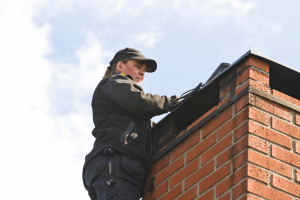
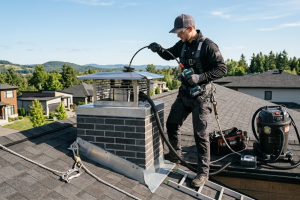
Another useful idea is controlling moisture and odors through simple daily habits. For example, using baking soda for odor absorption, keeping windows slightly open after cooking, wiping down wet surfaces immediately, and washing curtains and bedding regularly can all help maintain a fresher home environment. These small actions slowly build a better living space over time. People often rely on natural airflow from windows and simple air drying instead of machines or expensive systems, which helps keep homes feeling light and comfortable. If deeper home maintenance is needed, services like chimney care can also help improve indoor conditions; for example, proper maintenance, such as chimney cleaning, supports cleaner airflow and safer indoor spaces. Simple care routines like these are often more powerful than large renovations because they create lasting comfort without added stress.
Airflow, Light, And Hidden Home Improvements
Many people don’t realize that air and light play a huge role in how comfortable a home feels. A proper, healthier environment depends on how well air moves through your space and how natural light enters it. Once stayed in a home that had no heavy renovations, yet it felt incredibly fresh just because of open windows and wide curtains.
Keep Interior Doors Open When Possible
Keeping interior doors open helps air move freely between rooms instead of trapping stale air in one space. This simple habit improves natural ventilation, allowing fresh air to circulate throughout the home. Better airflow can reduce stuffiness, balance indoor temperature, and help prevent lingering odors from building up.
Rearrange Furniture To Avoid Blocking Airflow
Large furniture placed in front of vents, windows, or open pathways can restrict air movement inside the home. By rearranging furniture to keep airflow paths clear, you allow air to travel more efficiently. This improves ventilation, helps heating and cooling systems work better, and supports a more comfortable indoor environment overall.
Use Light Curtains Instead Of Heavy Drapes
Heavy curtains can block natural light and limit airflow near windows. Switching to light, breathable curtains allows sunlight to enter while still providing privacy. This also helps reduce moisture buildup near windows and keeps rooms feeling brighter, fresher, and more open throughout the day.
Place Plants In Corners To Improve Air Freshness
Indoor plants can help improve the feel of indoor spaces by adding natural freshness and balancing humidity levels. Placing them in corners not only enhances room aesthetics but also helps soften stagnant air in areas that don’t get much movement. While not a replacement for ventilation, plants can support a healthier, more inviting atmosphere.
Clean Air Filters Regularly
Air filters collect dust, allergens, and other particles over time. When they become clogged, they reduce airflow and can circulate dirty air back into the home. Regular cleaning or replacement ensures your ventilation system works properly, helping maintain cleaner indoor air and improving overall home comfort.
Another important step is checking areas you don’t always think about, like vents, fans, and chimneys. In fact, services like Chimney Cleaning Venice are important for maintaining proper airflow and reducing indoor buildup that affects comfort. You will notice how older homes stayed comfortable simply because they were maintained regularly, not rebuilt. That taught me that maintenance matters more than major changes. These are also smart renovation tips because they focus on improving what you already have instead of replacing it completely. Small updates can create a big shift in how your home feels every day.
Reducing Indoor Build-Up Without Stressful Changes
A home can slowly collect dust, moisture, and odor without you noticing, and over time, this can affect both comfort and breathing quality. That’s why building a healthier indoor environment is not about one big project; it’s about small daily choices. Remember how simple cleaning routines kept everything balanced, with no complex systems, just steady habits that worked. Easy ways to reduce indoor buildup include vacuuming carpets and rugs weekly, cleaning hidden corners and under furniture, avoiding leaving damp clothes indoors, keeping kitchen exhaust fans running while cooking, and using natural air fresheners instead of strong chemicals. These ideas are part of practical home improvement ideas that anyone can follow. They don’t require special skills, just consistent attention to detail.
Some homeowners also explore renovation tips that focus on improving airflow systems or updating small parts of the home instead of full remodeling. Even small changes like replacing filters, cleaning vents, or using environmentally safe cleaning methods can make a noticeable difference in overall indoor comfort and air quality.
Simple Long-Term Habits For Better Living
Creating a comfortable home is not a one-day job; it’s built through habits that you repeat over time. A healthier indoor environment becomes natural when you treat your home with steady care instead of waiting for problems to grow. One of the most effective home improvement ideas is building a weekly routine, such as dusting surfaces on Monday, vacuuming floors on Wednesday, checking air circulation on Friday, and deep cleaning one room over the weekend. These small, consistent steps keep everything under control without feeling overwhelming and help maintain a cleaner, more balanced living space.
Another helpful approach is thinking ahead, since good renovation tips often focus on prevention instead of repair. For example, preventing moisture buildup before mold forms, keeping chimneys and vents clean before blockages happen, and rotating furniture to prevent dust accumulation can all make a big difference in maintaining a healthy home. During my experience in Venice, I noticed how homes stayed naturally fresh because maintenance was treated as part of daily lifestyle rather than an emergency fix. Even simple habits like opening windows every morning or wiping down surfaces regularly can change the entire feeling of a home. You don’t need major construction or expensive upgrades, just consistency and awareness. In the end, building a better home is about small actions that repeat daily, and over time, they create a space that feels lighter, cleaner, and more comfortable for everyone living in it.