How Everyday Cleaning Habits Can Lead To Hidden Indoor Air Problems
Most people clean their homes to feel safe, fresh, and comfortable. A clean room often smells better, looks brighter, and helps families relax after a long day. But sometimes, common cleaning habits can quietly create problems inside the home. Many homeowners in West Hollywood do not realize that certain routines may actually make indoor air worse instead of better.
Small actions like using too many chemical sprays, forgetting air filters, or letting dust collect behind furniture can slowly affect the air everyone breathes each day. Over time, these habits may lead to coughing, allergies, headaches, or even trouble sleeping. That is why understanding cleaning mistakes indoor air concerns has become more important for modern households.
How Cleaning Mistakes Indoor Air Problems Begin Inside The Home
Many homeowners focus only on visible dirt. If the counters shine and the floors look clean, they assume the house is healthy. However, indoor air often tells a different story. One major reason these problems start is that dust buildup occurs in daily routines. Dust does not only come from outside dirt. It also comes from fabric fibers, pet dander, skin particles, cooking smoke, and even paper materials around the house.
Imagine sunlight entering a living room window in the morning. Tiny floating particles become visible in the light. Those particles may include dust, chemical residue, and allergens moving through the air all day long. Cleaning products can also become part of the problem. Strong cleaners release fumes into closed rooms. Without ventilation, those fumes remain trapped indoors for hours. Some homeowners in West Hollywood clean every room quickly but forget to open windows or use fans for air circulation.
Opening Windows During Cleaning
Fresh air helps remove dust particles, chemical smells, and airborne pollutants released during cleaning. When windows stay closed, indoor contaminants can become trapped and circulate through the home. Opening windows improves airflow and helps reduce indoor air problems inside the home by allowing stale air to move out while cleaner outdoor air comes in. Even opening windows for a short time during and after cleaning can make rooms feel fresher and healthier.
Using Gentle Cleaners When Possible
Many strong cleaning products contain harsh chemicals that release fumes into the air. These fumes may irritate the nose, throat, eyes, or lungs, especially for children, older adults, or people with allergies. Choosing gentler cleaners, such as natural cleaning solutions, helps lower the amount of indoor pollution created during daily chores. This simple habit can reduce indoor air problems inside the home and create a safer, healthier environment for everyone.
Washing Vacuum Filters Regularly
Vacuum cleaners help remove dirt and dust, but dirty filters can push those particles back into the air. Over time, clogged filters reduce the vacuum’s ability to clean properly and may spread allergens throughout the house. Washing or replacing filters regularly keeps the vacuum working efficiently and supports cleaner airflow. This routine helps prevent indoor air problems inside the home caused by recirculated dust and debris.
Cleaning Vents and Ceiling Fans
Air vents and ceiling fans collect dust quickly because air constantly moves through them. When they are not cleaned, dust can spread across rooms every time the fan or HVAC system runs. Regularly wiping fan blades and cleaning vents helps improve airflow while reducing airborne dirt and allergens. Keeping these areas clean can greatly reduce indoor air problems inside the home and support a fresher atmosphere.
Drying Damp Surfaces Immediately
Moisture left on floors, walls, or counters can lead to mold and mildew growth. These substances release spores into the air that may trigger allergies, coughing, or breathing discomfort. Drying damp areas right away prevents moisture buildup and helps protect indoor air quality. This habit is especially important in bathrooms, kitchens, and laundry areas where humidity is often higher.
Removing Clutter That Traps Dust
Stacks of boxes, unused items, rugs, and crowded shelves can collect large amounts of dust over time. Clutter also makes cleaning more difficult because hidden areas are often ignored. Reducing unnecessary items creates more open space and allows homeowners to clean more thoroughly. Less clutter means fewer places for dust and allergens to collect, helping minimize indoor air problems inside the home and making daily cleaning easier.
Everyday Habits That Make Indoor Air Worse Without Realizing It
Sometimes the smallest habits create the biggest indoor problems. Many people clean quickly because of busy schedules. They wipe visible areas but skip places where dust and particles quietly collect. One example involves vacuum cleaners. A vacuum with a dirty filter may blow fine dust back into the air instead of removing it. This becomes one of the leading dust buildup causes in busy homes.
Another issue comes from overcrowded spaces. Decorative pillows, heavy curtains, stacks of magazines, and unused boxes can trap dust for long periods. Even though a room may look organized, hidden particles remain inside fabrics and corners. Homeowners in West Hollywood often keep windows closed during warmer afternoons to avoid outdoor heat. While understandable, this can reduce fresh airflow inside the home. Without proper ventilation, cleaning chemicals and indoor particles continue circulating.
Why Dust, Smoke, And Poor Ventilation Continue To Return
Many homeowners feel frustrated because dust seems to return only days after cleaning. This often happens because the source of the problem has not been fully addressed. One of the most common dust buildup causes is dirty ventilation systems. Air ducts move particles throughout the home every day. If filters stay dirty for too long, those particles continue spreading from room to room. Ceiling fans also play a role. Dust resting on fan blades gets pushed back into the air every time the fan runs. This becomes especially noticeable in bedrooms and living rooms.
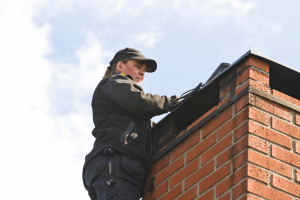
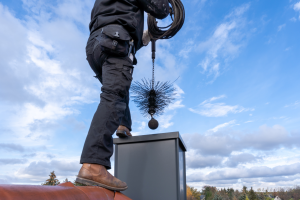
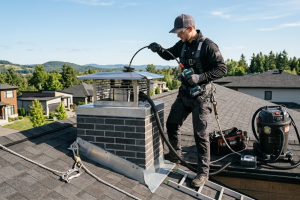
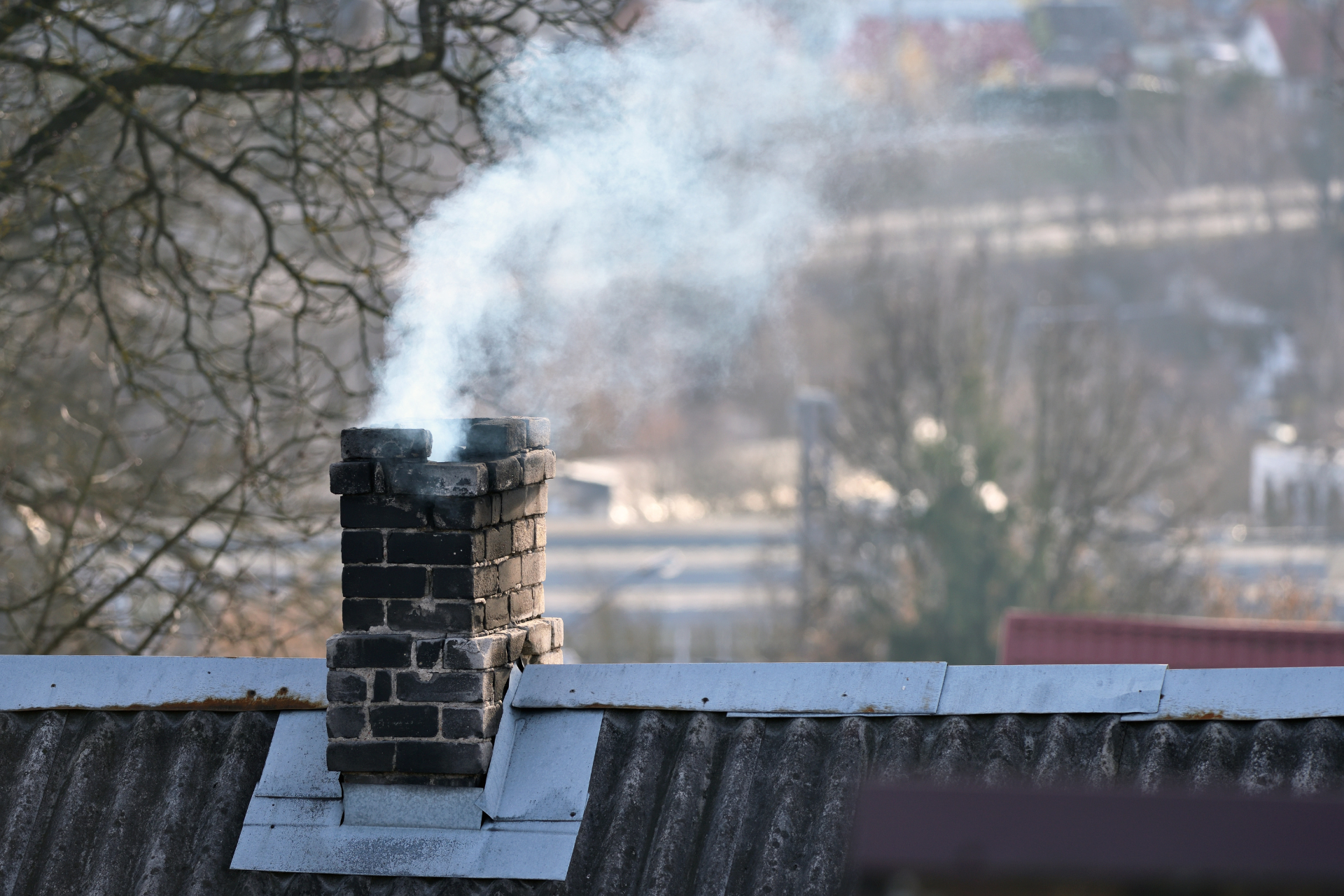
Another overlooked issue is smoke residue from fireplaces or cooking areas. Tiny soot particles settle on surfaces and mix with regular dust. Over time, they create stale odors and reduce indoor air quality. Homeowners who use fireplaces during cooler nights sometimes notice darker dust near vents or windows. In many cases, chimney buildup may be contributing to the problem, which is why cleaning mistakes indoor air conditions should always include checking ventilation systems, fireplace areas, and hidden corners that are often ignored during regular cleaning. This is especially important for homes serviced by Chimney Cleaning West Hollywood, where fireplace use can make proper maintenance and inspection even more essential. Children and older adults are usually more sensitive to poor indoor air. Their bodies react faster to dust, smoke, and chemicals, and families may notice more coughing at night, sneezing in the morning, or dry skin during certain seasons.
Building Better Cleaning Habits For A Healthier Home Environment
A healthier home does not always require expensive products or complicated routines. In many cases, the best results come from consistency and awareness. Families who understand cleaning mistakes indoor air risks are more likely to create habits that protect long-term comfort. They focus on airflow, moisture control, dust removal, and safe cleaning practices instead of simply masking odors with sprays.
One homeowner in West Hollywood shared how a few simple routine changes improved their indoor comfort within just a few weeks. They started opening windows every morning to improve airflow, washing air filters monthly, and reducing the use of strong chemical cleaners that often left heavy odors inside the house. Over time, the home began to feel fresher, lighter, and easier to breathe in each day. They also focused on maintaining healthier habits by cleaning high-touch areas daily, deep cleaning carpets seasonally, removing clutter from floors, checking for hidden moisture, allowing more sunlight into rooms, and properly maintaining the fireplace system.
These small adjustments helped create a cleaner indoor environment without making daily cleaning feel stressful or overwhelming. Homeowners should also remember that every house has different indoor air challenges. Some homes collect more dust because of pets, nearby traffic, or aging ventilation systems, while others deal with humidity, smoke, or moisture buildup more often. Paying attention to these conditions allows families to create smarter and more effective cleaning routines that fit their home’s specific needs. In the end, maintaining healthier indoor air is not about achieving perfection.