Understanding Poor Indoor Hygiene And Its Silent Effects
Most people don’t notice it right away. A little dust on the table, a faint smell in the corner, or a bit of clutter in the living room feels normal at first. But over time, these small things grow into bigger problems. This is where poor indoor hygiene begins to quietly change the way a home feels, smells, and even affects the people living inside it.
In places where the air can shift from salty ocean breeze to dry inland wind, indoor spaces often collect hidden dust and moisture faster than expected. Many homeowners think their homes are clean because they look tidy on the surface. But the truth is, indoor hygiene often hides in places we rarely check, behind furniture, inside vents, and around areas that don’t get regular attention.
The Hidden Buildup That Slowly Changes Your Home Environment
Living in Redondo Beach often means enjoying ocean air, but it also means dealing with moisture and salt particles that sneak indoors. When these combine with dust and lack of proper cleaning, indoor hygiene becomes more noticeable over time.
Skipping Deep Cleaning For Weeks Or Months
When deep cleaning is delayed for long periods, dust, dirt, and allergens gradually build up in areas that everyday cleaning can’t reach. Over time, this accumulation affects indoor air quality and makes the home feel heavier and less fresh. Regular deep cleaning helps reset the environment and prevents long-term buildup from becoming harder to remove.
Not Cleaning Air Vents And Hidden Corners
Air vents and hidden corners often collect dust that then gets circulated every time air flows through the home. If these areas are ignored, the same particles keep moving through the air, reducing overall freshness. Cleaning them regularly helps maintain smoother airflow and reduces the spread of airborne dust.
Ignoring Carpet And Fabric Buildup
Carpets, rugs, curtains, and upholstered furniture act like filters, trapping dust, pet dander, and odors. When not cleaned regularly, they slowly release these particles back into the air. This can lead to lingering smells and increased allergens indoors, making the home feel less comfortable over time.
Forgetting Moisture-Prone Areas Like Kitchens And Bathrooms
Kitchens and bathrooms naturally hold more moisture, which can lead to mold, mildew, and bacterial growth if not properly maintained. These hidden issues can affect air quality and create unpleasant odors. Regular cleaning and drying of these spaces help prevent long-term damage and maintain a healthier indoor environment.
Leaving Chimneys Or Vents Unchecked
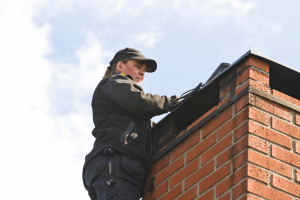
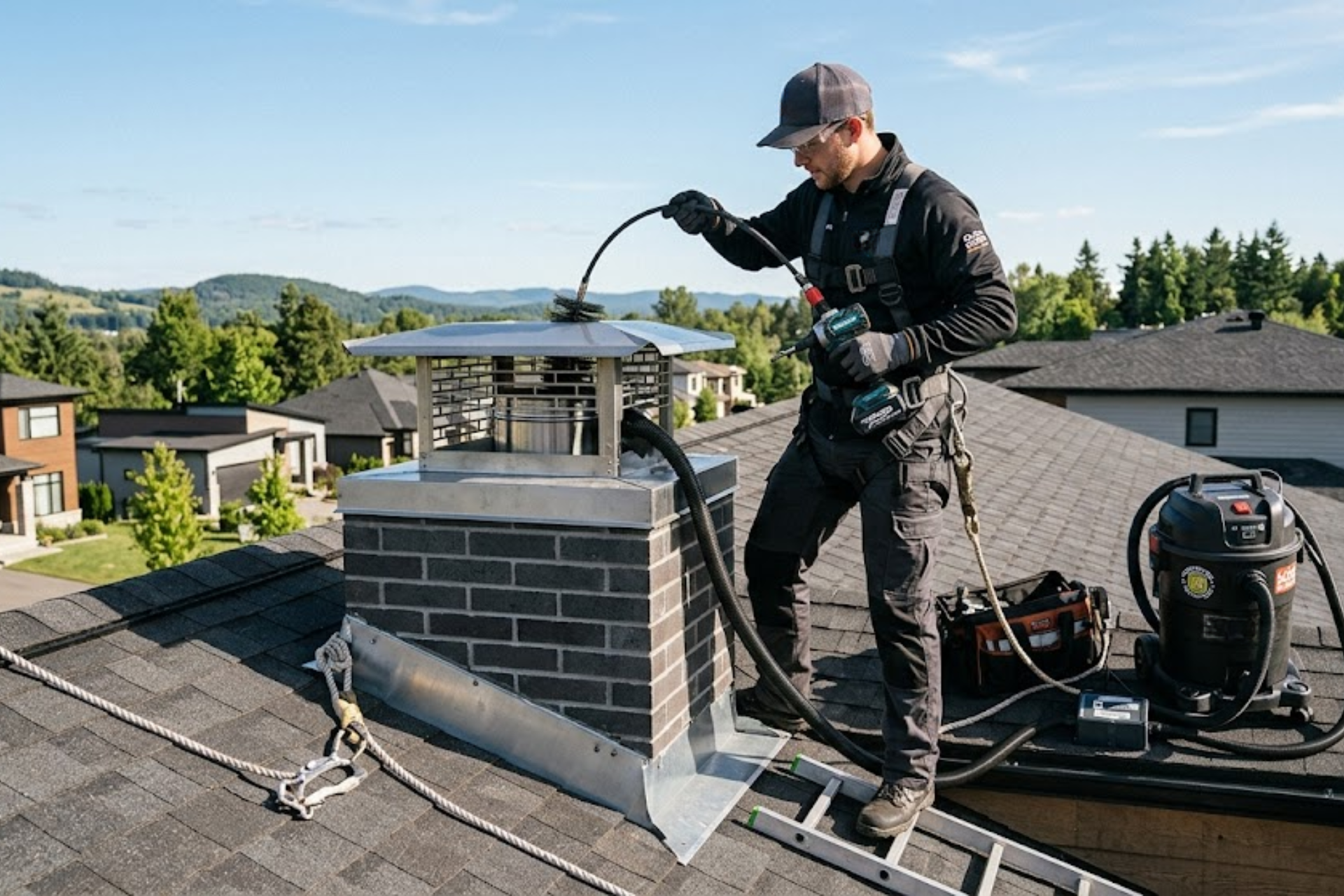
Chimneys and ventilation systems can collect soot, debris, or blockages that restrict airflow throughout the home. When left unchecked, this buildup can cause poor circulation and contribute to stuffy indoor conditions. Routine inspection and cleaning help ensure air moves freely and safely throughout the space.
One often ignored area in homes is the chimney. In coastal communities, chimneys may not be used daily, but they still collect dust, soot, and even moisture. That is why professional services such as are important for long-term home care. A common example is when a family notices a slight smoky smell even when the fireplace hasn’t been used.
How Daily Habits Slowly Create Long-Term Indoor Issues
Many people don’t realize that everyday habits contribute directly to indoor hygiene. Something as simple as not wiping surfaces regularly or delaying laundry can slowly affect the whole living space.
In homes, humidity plays a big role because moist air can make dust stick to surfaces more easily, and over time, this leads to buildup that is harder to clean. Once this happens, home health risks increase since bacteria and allergens find better places to grow. A few common habits that contribute to this include leaving windows closed all day without airflow, not changing air filters regularly, ignoring damp spots in bathrooms, allowing clutter to accumulate in corners, and delaying regular deep cleaning sessions. When these habits continue, indoor hygiene can slowly become part of the home environment without anyone noticing.
Families who are busy often overlook these small routines. But later, they feel the impact through allergies, fatigue, or musty indoor air. This is where the importance becomes a daily reminder rather than an occasional task. Even something like a neglected fireplace can make a difference. In older homes, especially in parts of Redondo Beach, soot buildup from unused chimneys can slowly affect air quality. One clear sign of neglect is when residents eventually search for Chimney Cleaning Redondo Beach services after noticing unusual indoor smells.
The Connection Between Air Quality And Everyday Comfort
Indoor air is something people rarely think about, but it plays a huge role in comfort. When indoor hygiene is present, the air inside a home can feel heavy, dry, or even slightly irritating to breathe.
In Redondo Beach, where people often keep windows open for fresh air, it might seem like indoor air quality is not a problem, but once windows are closed, dust and pollutants settle quickly, making home health risks more noticeable, especially for children and elderly family members. A home with good airflow and regular care feels lighter, but when cleaning importance is ignored, the difference becomes clear as rooms feel stuffy even after cleaning, dust returns quickly after wiping surfaces, fabrics trap odors longer than usual, and people feel tired staying indoors. Residents often describe it as “the house doesn’t feel fresh anymore.” This is usually a sign that poor indoor hygiene has been building up over time.
Why Small Cleaning Routines Can Prevent Bigger Problems
The truth is, preventing poor indoor hygiene does not always require major changes. It starts with consistency, since simple routines done regularly can protect the home from long-term issues. Practical habits that make a big difference include wiping high-touch surfaces daily, vacuuming carpets at least twice a week, checking hidden corners once a month, cleaning air vents and filters regularly, and scheduling deep cleaning every few months. These routines reinforce cleaning importance of cleaning in everyday life and help reduce buildup before it becomes serious, keeping the home healthier and more comfortable over time.
In coastal areas, moisture control is also important. Small leaks or damp spots should never be ignored because they can quickly lead to mold growth. When mold appears, home health risks increase significantly and become harder to manage. Even chimney maintenance matters. In some older homes, neglected chimneys can become hidden sources of dust and odor.
The Long-Term Effects Of Ignoring Indoor Cleanliness
When poor indoor hygiene continues for months or years, the effects become more serious, as what starts as light dust or occasional odor can develop into deeper problems affecting both the home and the people inside it. In Redondo Beach, where many homes balance coastal air and indoor living, ignoring maintenance can lead to persistent indoor odors, increased allergy symptoms, faster wear and tear of furniture, mold growth in hidden areas, and poor sleep with reduced comfort. These issues are all part of rising home health risks that come from neglecting regular care.
At this stage, cleaning importance is no longer optional; it becomes a way to restore balance and comfort in the home. Many families only realize this after experiencing ongoing discomfort indoors, but simple awareness can prevent most of these problems before they worsen. Once homeowners understand how indoor hygiene develops, they can take early action by adopting non-toxic cleaning methods that help maintain a safer and healthier living environment while avoiding long-term damage.