How Everyday Habits Can Cause Lingering Smoke Smells Indoors
Every home has its own scent. Some homes smell fresh and relaxing, while others hold odors that seem to stay no matter how often people clean. One of the hardest odors to remove is smoke. Many families notice strange smells after cooking, lighting candles, using fireplaces, or smoking indoors. Over time, these smells can settle into walls, carpets, curtains, and furniture. What starts as a small issue can slowly affect the comfort of the entire house.
In places like Topanga, where cooler evenings encourage people to use fireplaces and indoor heating, smoke-related odors can become more noticeable during certain seasons. Many homeowners do not realize that simple daily routines may quietly create long-term odor problems. Understanding these habits is one of the first steps toward creating a cleaner and fresher living space.
How Lingering Smoke Smells Slowly Builds Up Inside the Home
Many people believe smoke odors only come from cigarettes, but smoke can come from several common household activities. Cooking oils, burnt food, fireplaces, scented candles, incense, and even outdoor smoke entering through windows may leave particles behind. These particles attach to surfaces and continue producing odors long after the smoke disappears.
The problem becomes worse when the airflow inside the home is poor. Without proper ventilation, smoke particles remain trapped indoors. This is one reason why many families notice stronger indoor smells during colder months when windows stay closed longer.
Cooking Without Turning On Kitchen Vents
When cooking, smoke, grease, and strong food particles rise into the air, they can quickly spread through the house if there is no proper ventilation. Without using a kitchen vent or opening windows, these particles settle into cabinets, walls, curtains, and upholstery. Over time, repeated cooking without airflow may lead to lingering smoke smells that are difficult to remove.
Burning Candles Every Day In Closed Rooms
Candles may create a relaxing atmosphere, but frequent use in rooms without fresh airflow can leave behind soot and smoke residue. Dark-colored candles and scented candles often release more particles into the air. These tiny particles can cling to ceilings, fabrics, and furniture, slowly creating a stale smoky odor inside the home.
Smoking Near Fabric Furniture Or Curtains
Soft materials like couches, rugs, bedding, and curtains absorb smoke very easily. Even occasional indoor smoking can cause odors to settle deep into fabric fibers. As time passes, the smell becomes trapped and may continue spreading throughout the room long after the smoke disappears.
Forgetting To Clean The Fireplace Ash Regularly
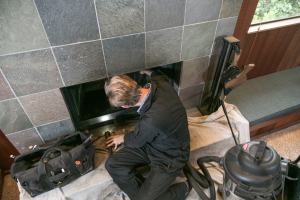
Fireplace ash continues releasing smoky odors even after the fire has gone out. If ash and soot are left sitting for days, the smell can circulate through the house, especially during cooler evenings when windows stay closed. Regular fireplace cleaning helps reduce indoor odor buildup and keeps the air feeling fresher.
Using Indoor Grills Without Enough Ventilation
Indoor grilling often creates heavier smoke than regular stovetop cooking. Without proper ventilation, smoke particles can move into nearby rooms and settle onto walls, ceilings, and furniture. Repeated exposure may cause stubborn odors that remain noticeable even after cleaning surfaces.
Allowing Burnt Food Residue To Stay Inside Ovens
Burnt spills and leftover food residue inside ovens continue producing smoke-like smells every time the appliance heats up. Many homeowners overlook this hidden source of indoor odor. Cleaning ovens regularly helps prevent old burnt residue from creating unpleasant smoke smells during daily cooking routines.
These small habits may seem harmless at first. However, repeated exposure allows smoke particles to sink deep into carpets, walls, and air ducts. Once this happens, regular sweeping or spraying air fresheners may not fully solve the problem.
Many homeowners looking for healthier indoor living often search for trusted home cleaning solutions that help remove trapped odors from soft surfaces and fabrics. Services that focus on deep cleaning can help reduce buildup that daily cleaning usually misses.
Another overlooked issue is humidity. Moisture in the air can reactivate old smoke residue. A room may smell normal during dry weather, but odors may return during rainy or humid days. This cycle can make homeowners feel frustrated because the smell seems to come and go without warning.
Daily Routines That Affect Indoor Air Quality and Smoke Odors
A home’s daily routine has a huge effect on air freshness. Some habits support cleaner air, while others slowly increase odor buildup. Families often become used to certain smells and stop noticing them until visitors point them out. One example is cooking greasy foods without enough ventilation. Frying meat, fish, or oily dishes releases smoke and airborne particles that can stick to cabinets, ceilings, and nearby surfaces. Over time, these particles mix with dust and slowly create stubborn odors that spread throughout the home. This is why smoke odor prevention should become part of normal household care instead of something people only think about after smells become overwhelming. Simple daily habits can make a major difference in maintaining fresher indoor air.
Opening windows during and after cooking helps remove trapped smoke and improve airflow throughout the house. Regularly washing curtains, cushion covers, and other fabric materials helps prevent odors from settling deep into fibers. Vacuuming carpets and upholstered furniture weekly can also reduce lingering particles that contribute to stale indoor smells. Homeowners should also replace air filters on schedule to help maintain cleaner air circulation. For homes with fireplaces, removing ash immediately after use can prevent smoky odors from spreading indoors. Avoiding indoor smoking whenever possible is another effective way to reduce long-term smoke buildup and keep living spaces feeling cleaner and more comfortable. Using natural cleaning solutions when washing fabrics and wiping surfaces can also help support a fresher indoor environment without adding harsh chemical odors, making overall home care more balanced and pleasant.
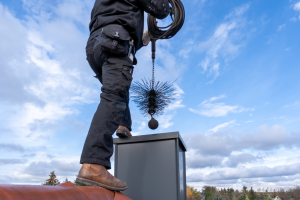
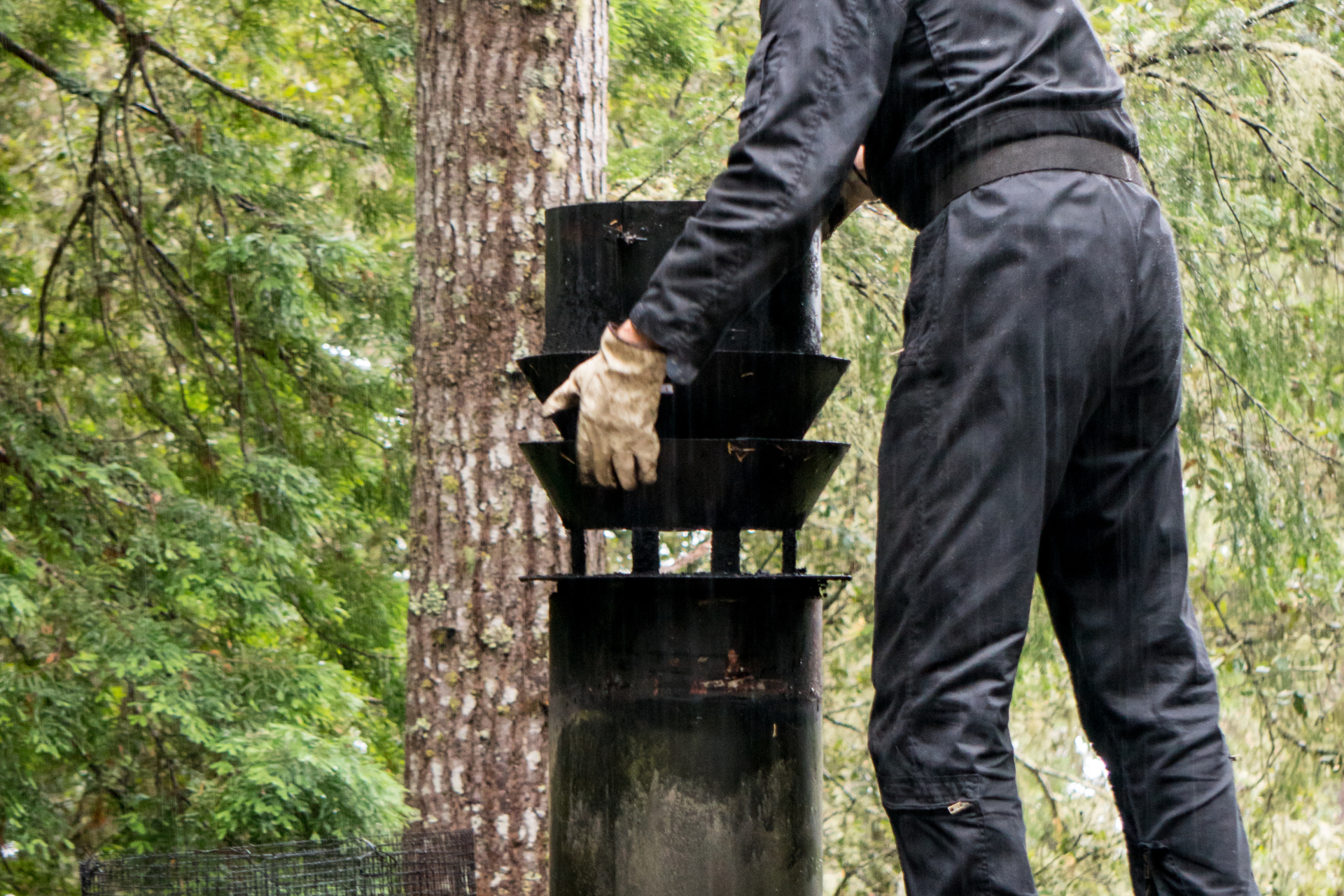
Many homeowners in Topanga also use fireplaces during cool evenings without realizing how much residue builds up inside chimneys. When soot and creosote accumulate, smoke odors may spread back into the house. Professional maintenance becomes important because hidden buildup may continue affecting air quality even when the fireplace is not being used. This is where indoor odor control becomes very important. A home that smells fresh usually combines regular cleaning, proper airflow, and deep maintenance practices instead of relying only on scented sprays.
Some families also unknowingly make odors worse by keeping doors and windows shut all day. While this may help maintain indoor temperatures, it also traps polluted air inside the home. Fresh airflow helps push stale air outside and lowers the concentration of smoke particles indoors.
Fireplace and Kitchen Habits That Often Go Unnoticed
Many people focus only on visible smoke while ignoring the hidden residue left behind. Kitchens and fireplaces are two of the biggest contributors to indoor odor problems because both areas release smoke particles almost daily. In many Topanga homes, fireplaces become part of family gatherings and relaxing evenings. While fireplaces create warmth and comfort, poor maintenance may allow smoke residue to collect inside the chimney system. Eventually, this buildup can produce strong odors even when the fireplace is not active.
A neglected chimney may also cause smoke to flow back into the room instead of properly leaving through the home’s vent system. When this happens, smoky air can spread through nearby furniture, curtains, carpets, and walls, creating a stale odor that becomes more noticeable over time. Many homeowners first notice the problem when smoky smells continue returning even after cleaning surfaces or airing out the room. Strong odors near vents or fireplaces may also signal that smoke particles are trapped inside the home.
In some cases, yellow stains may begin appearing on ceilings or walls due to long-term smoke exposure. Humid weather can make these odors feel even heavier because moisture in the air reactivates trapped particles in fabrics and surfaces. Lingering smells in couches, carpets, and other upholstered furniture are also common signs that smoke buildup may already be affecting the overall indoor environment.
Kitchen habits can also quietly contribute to odor problems. Burnt grease inside ovens or stovetops may continue producing smells every time heat is used. Exhaust fans clogged with dust and oil lose effectiveness, causing smoke particles to remain indoors longer. Smoke odor prevention becomes easier when small maintenance tasks are handled consistently. Cleaning vents, changing filters, and wiping greasy surfaces can prevent long-term odor buildup before it spreads throughout the home.
Another important factor is airflow balance. Some rooms receive less ventilation than others. Bedrooms with heavy curtains, crowded furniture, or limited windows may trap odors more easily than open spaces. These areas often become hotspots for stale smells without homeowners realizing it.
Simple Habits That Help Create a Fresher Living Space
Creating a fresher-smelling home does not always require major renovations, as small daily habits often make the biggest difference over time, and consistency matters more than quick fixes. Families in Topanga who regularly maintain airflow and cleanliness usually notice fewer odor problems throughout the year because simple actions can help reduce trapped smoke particles before they spread deeper into the home. Letting fresh air circulate every morning helps push out stale air and bring in cleaner airflow, while using exhaust fans during cooking prevents smoke and grease particles from settling on surfaces. Keeping fireplaces professionally maintained also ensures proper ventilation and reduces the chance of smoke buildup indoors.
Washing blankets and rugs often helps remove absorbed odors from fabrics, and cleaning hidden dust around vents and corners prevents particles from circulating back into living spaces. Avoiding excessive candle or incense use indoors further supports a cleaner environment by reducing additional sources of smoke and residue. One commonly overlooked area is fabric storage. Closets, storage rooms, and packed spaces may trap stale odors for months. Smoke particles easily settle into stored fabrics and slowly spread smells back into living spaces later.
Indoor odor control works best when homeowners focus on both visible and hidden areas of the house. Air quality is influenced not only by what people smell immediately but also by what remains trapped in soft materials and ventilation systems. Some homeowners also choose seasonal cleaning schedules to help manage odor buildup during cooler months when homes stay closed more often. This approach helps reduce the chances of old smells becoming permanent.
For homes using fireplaces regularly, Chimney Cleaning Topanga services may help improve both cleanliness and airflow. Removing soot and residue can reduce the chance of smoke odors circulating back into the home. Another smart habit is limiting indoor smoke sources whenever possible. Outdoor smoking areas, proper ventilation, and careful cooking practices all help reduce odor buildup inside the house.