
How Air Movement Shapes Everyday Comfort Indoors
Living in a home that feels light, fresh, and easy to breathe in is something many people want, but not everyone understands what truly makes it possible. In places where homes can range from open modern layouts to older, tightly sealed interiors, air movement becomes a silent factor that shapes daily comfort. When air stays trapped too long, rooms begin to feel heavy, even if everything looks clean on the surface.
Good airflow is not just about opening a window. It is about how air moves through rooms, how it carries dust, and how it brings in freshness from outside. Many homeowners notice that even well-decorated homes can feel uncomfortable if the air is stagnant. That is where simple routines and awareness can change everything.
How Indoor Airflow Matters for Chimney Safety and Overall Home Comfort
In many homes, airflow is affected not only by windows and vents but also by hidden structures like chimneys. When airflow is restricted, smoke, dust, or odors can linger longer than expected. This is especially important in older properties where maintenance may have been delayed. In fact, homeowners in Bel Air often notice that comfort changes drastically once airflow systems are checked and cleaned properly.
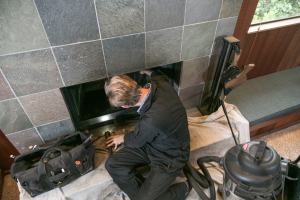
This is where maintenance becomes more than just cleaning; it becomes a safety and comfort routine. One example is understanding how chimney systems affect indoor air movement. When these systems are blocked or dirty, airflow inside the home weakens, causing rooms to feel stale or uneven in temperature.
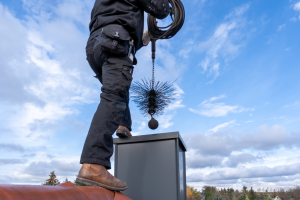
In some cases, professional attention like Chimney Cleaning Bel Air becomes necessary to restore proper air balance inside the home. Without it, even simple ventilation efforts may not work as expected.
Keeping Vents Clear Of Dust Buildup
Clean vents help air move freely throughout the home, preventing dust from circulating back into living spaces and improving overall indoor comfort.
Scheduling Seasonal Inspections For Airflow Paths
Regular checks ensure that ducts, vents, and airflow routes are working properly and not blocked by hidden dirt or debris.
Using Fans To Support Natural Air Movement
Fans help distribute air more evenly across rooms, reducing stagnant spots and keeping indoor spaces feeling fresher.
Making Sure Chimneys And Exhaust Points Are Not Blocked
Clear chimneys and exhaust systems allow smoke, moisture, and stale air to exit properly, helping maintain cleaner and healthier indoor air quality.
These actions support what experts often call ventilation improvement, which is essential for keeping indoor air from becoming stale or unhealthy. In many homes, even small adjustments can lead to noticeable comfort changes within days. Another important point is how airflow impacts the feeling of freshness indoors, and using an eco-friendly cleaning solution can further support a healthier environment by reducing harsh chemical residues that may affect indoor air quality.
Many residents describe their homes as having more “breathing space” once airflow improves. These fresh indoor spaces are not just about smell but about overall comfort and clarity in the air. When ventilation improvement is done regularly, the home feels lighter, and daily living becomes more enjoyable. It is not about doing everything at once, but about staying consistent with simple care routines.
Daily Habits That Help Keep Airflow Steady Indoors
Maintaining a comfortable home does not require complicated systems or expensive upgrades. In fact, the most effective changes often come from daily habits that support natural air movement. When these habits are done consistently, they help strengthen indoor comfort in a lasting way.
One important idea many homeowners in Bel Air learn over time is that airflow works best when it is supported every day, not just occasionally, which is where the concept of indoor airflow matters becomes very clear, as it affects how rooms feel in the morning, afternoon, and even at night. Simple daily habits can make a big difference, such as letting fresh air enter the home for at least 10–15 minutes daily, avoiding closed-room conditions for long hours, turning on exhaust fans during cooking or cleaning, rearranging furniture to avoid blocking air paths, and checking windows and screens for dust buildup. These habits may seem small, but they support steady air circulation that keeps indoor spaces more balanced and consistently comfortable.
Another important factor is ventilation improvement, which works best when it becomes part of a routine rather than a one-time task. For example, some families make it a habit to open different parts of the house at different times of the day, allowing air to shift naturally from room to room. This prevents stagnant air from building up in corners or unused spaces.
Over time, these habits help maintain comfort even during warmer days, and homes that follow consistent airflow routines often feel less humid and more open. This is especially important in areas where weather conditions change quickly, as indoor airflow matters in helping regulate indoor balance naturally. When combined with awareness and simple care, these daily actions help maintain a healthier and more comfortable home environment without needing major effort.
Long-Term Comfort And Better Living Environments
Long-term comfort in any home is built slowly through consistent care and attention to detail. It is not just about cleaning once in a while but about maintaining a rhythm that keeps the home balanced throughout the year. In Bel Air, where many homes experience different airflow challenges depending on structure and location, this consistency becomes even more important.
When indoor systems are well-managed, the benefits become more noticeable over time. Rooms stay fresher, odors do not linger as long, and the overall atmosphere feels lighter. This is why many homeowners begin to understand how indoor airflow matters beyond just comfort; it also shapes health, relaxation, and daily energy levels.
A well-maintained home also supports better airflow movement between rooms, which reduces the feeling of trapped or stale air, and even simple routines like regular cleaning, opening windows, and checking ventilation points contribute to long-term improvement. Over time, families often notice less buildup of indoor odors, more stable room temperatures, easier breathing during sleep and rest, and a more natural flow of air between spaces. These changes are not sudden but develop through steady care, and when ventilation improvement becomes a long-term habit, the home slowly transforms into a more comfortable living space.
The key is consistency. Even small actions, when repeated daily or weekly, create lasting results. A home that once felt heavy or closed begins to feel open and welcoming. In many ways, this is what true comfort means, not perfection, but balance that lasts.
In the end, living in a space that feels fresh and natural is possible for anyone willing to pay attention to airflow, care routines, and simple maintenance habits. With time, even older homes in Bel Air can feel renewed, showing that comfort is always within reach when air is allowed to move freely and naturally.